
Vandaag of morgen in huis

Kwaliteit gegarandeerd

Welkomstaanbiedingen ontgrendelen: GRATIS bezorging | Tot 80% korting | Gratis 30 dagen JoyPlus-proefperiode
Download de app
Buying a new face cream may seem straightforward, but the differences often come down to the details. A cream can feel lovely on your skin and still not suit your skin type, routine or expectations. Claims about hydrating face creams, Korean skincare and anti-ageing face creams can sometimes go further than the product specifications justify.
So, look out for these three common pitfalls:
First, consider how your skin type matches the formula:
A face cream with hyaluronic acid is positioned primarily as helping the skin retain moisture. Glycerine also acts as a humectant. Ceramides, cholesterol and fatty acids are often found in formulas designed to support the skin barrier.
A face cream with niacinamide is often chosen for hydration and a more even-looking complexion. Products with retinol or vitamin C need more care when introducing them into your routine and using them during the day. When using active ingredients, apply separate sun protection during the day if the packaging recommends it.
Check the shelf life, batch number and period after opening, such as 6M. The full INCI list should be available on the packaging or product page. Also check the responsible party within the EU, especially for imported Korean skincare.
“Dermatologically tested”, “vegan” and “hypoallergenic” are product claims. Treat them as information from the brand, not as a guarantee that a product is suitable for everyone. Stop using it if you experience irritation, redness or swelling. A patch test is a sensible precaution if you have sensitive skin or are using a formula with several active ingredients.
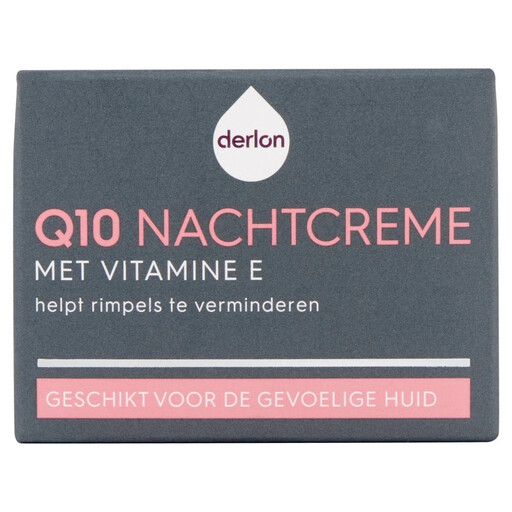
Why it suits this profile: A straightforward night cream for anyone looking for a simple evening routine. The product information says it can be used on the face, neck and décolletage.
The ingredients list is easy to check and includes shea butter, vitamin E, glycerine and sodium hyaluronate. The packaging states that it should be used within 6 months of opening.
A 50 ml night formula, suitable for all genders and described in the product details as moisturising and hypoallergenic.
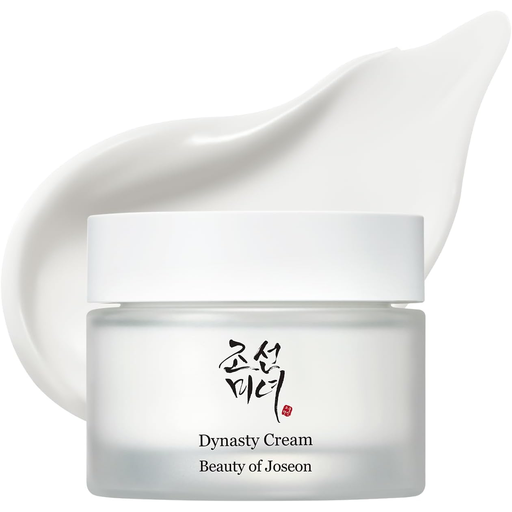
Why it suits this profile: This Korean face cream is a good fit for anyone looking for a rich, fragrance-free formula in a larger size.
The formula lists specific ingredients, including niacinamide, sodium hyaluronate, panthenol, propolis and rice extract. The “suitable for all skin types” claim comes from the brand’s product information.
Fragrance-free cream with niacinamide and hyaluronic acid; the listed version contains 100 ml.

Why it suits this profile: A good choice for anyone looking for a face cream with hyaluronic acid for everyday use, and potentially as a night cream too.
The product description specifies five types of hyaluronic acid and also lists ceramide NP, panthenol, shea butter and several oils. Check that the richer formula suits your skin.
Contains 100 ml, is described as ethanol-free in the product information and is designed as a gel cream for normal, dry and mature skin.

Why it suits this profile: An option for anyone looking to combine panthenol, ceramides and a moisturiser in their daily routine.
The formula lists three types of ceramide, panthenol, glycerine, squalane and hyaluronic acid. The manufacturer describes the formula as non-irritating and non-comedogenic; these remain brand claims.
Contains 100 ml, with ceramides NP, AP and EOP, plus sodium hyaluronate in the ingredients list.
We’ve put together a complete, up-to-date list of products that meet these strict selection criteria and the applicable European safety requirements.
Look for a richer formula with glycerine, hyaluronic acid, shea butter, oils or ceramides. Apply the cream to slightly damp skin and adjust the amount if your skin still feels tight or starts to feel too greasy.
It varies from product to product. Check the open-jar symbol on the packaging, such as 6M. Keep the cream closed, somewhere dry and out of direct sunlight. If its smell, colour or texture changes noticeably, stop using it.
You can, depending on the ingredients and instructions for use. If the cream contains retinol, vitamin C, acids or tranexamic acid, it’s sensible to take extra care with sun protection. A day cream with SPF doesn’t always replace the amount of separate sun protection you need. Follow the instructions on the packaging and introduce active ingredients gradually.
