
Vandaag of morgen in huis

Kwaliteit gegarandeerd

Welkomstaanbiedingen ontgrendelen: GRATIS bezorging | Tot 80% korting | Gratis 30 dagen JoyPlus-proefperiode
Download de app
Choosing a new face cream might seem straightforward, but marketing copy can make it difficult to compare. Words like “intensive”, “restorative” and “anti-ageing” only mean something when you also check the ingredients, texture and usage instructions. A rich cream, for example, can be pleasant for dry skin, but feel too heavy on oily skin. A gel cream can feel lightweight, but may not be enough when your skin needs plenty of moisture.
Also pay attention to the difference between a face cream and a body cream. A body cream is often formulated for larger areas and can have a different texture or fragrance. So don’t automatically use the same formula for your face and body.
Hyaluronic acid, niacinamide, ceramides and aloe vera are popular ingredients in skincare. However, their presence doesn’t automatically tell you how a product will work on your skin. The concentration, the full formulation and the combination with other ingredients are also important.
According to the product description, the Isntree Hyaluronic Acid Moist Cream contains five types of hyaluronic acid, while the The Ceramide Skin Barrier Moisturizer lists multiple ceramides, cholesterol, squalane and panthenol. These are verifiable product details, but they are no guarantee of a personal result.
A product that claims to be suitable for all skin types can still feel different on dry, oily or sensitive skin. So look at the texture:
If you have sensitive skin, it’s wise to check the ingredients list for perfume, essential oils and known allergens. If in doubt, first do a patch test on a small area of skin.
Brands are allowed to describe the properties of their products, but a marketing claim is not a personally proven outcome. According to the product description, Topicrem AH THEAVIT Renewing Cream contains glycolic acid and is associated with exfoliation and anti-ageing care. Glycolic acid can make the skin more sensitive to sunlight; therefore, use a sunscreen during the day and follow the instructions on the packaging.
Terms like barrier-repair cream also often refer to ingredients that support the moisture barrier. That is different from a medical treatment. Stop using the product if you experience a stinging sensation, itching or swelling, and consult a doctor or dermatologist if symptoms persist.
For daily hydration, you can look for glycerin, betaine, panthenol and hyaluronic acid. A face cream for dry skin often also contains butters or oils, such as shea butter, jojoba oil or macadamia oil.
If you’re looking for a cream for sensitive skin, you might consider a simple, fragrance-free formula. The Pyunkang Yul Nutrition Cream lists shea butter, jojoba oil and sodium hyaluronate, among others, and is described as fragrance-free according to the product information. Always check the current packaging, as ingredients can change.
For a face cream for oily skin, a thin gel texture is often more practical. The Beauty of Joseon Red Bean Hydrating Gel Cream is positioned as a lightweight gel cream according to the product description and contains 44% red bean extract. The product information mentions use for oily skin, but individual experiences may vary.
A moisturiser should logically fit in with your other products. A simple order is:
A gel cream can work well after a serum when you don’t want a heavy layer. A rich cream is more suitable as the final step in the evening. Don’t automatically use multiple products with exfoliating acids at the same time; this can feel uncomfortable.
Don’t just compare the price, but also the volume. Products in this selection vary from 50 ml to 100 ml, for example. A 50 ml pot may seem more expensive, but a small amount per use can be enough. Check the packaging for the expiry date, batch information and the period after opening.
A pot requires extra attention for hygienic use. Wash your hands before taking product from the packaging. A tube is handy when you want to dispense quickly and in a controlled way.
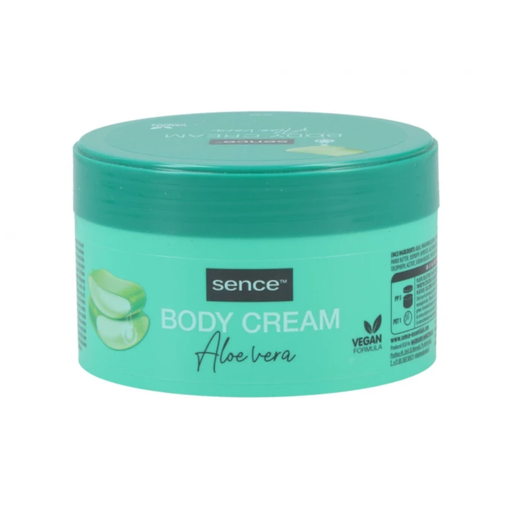
Why this suits the profile: A simple product for anyone looking for an affordable body cream for daily use. The packaging contains 200 ml and is intended for the body.
The product type, variant and volume are clearly stated. Don’t expect a facial product: this is a body cream.
200 ml volume; aloe vera as a listed ingredient; suitable for use on the body.

Why this suits the profile: Interesting for anyone looking for a targeted moisturiser with multiple ingredients used in barrier care.
The ingredients list is available, so you can check the ceramides, cholesterol, squalane and panthenol yourself.
80 ml volume; ceramide NP, NS, AP, AS and EOP listed; sodium hyaluronate in the formula.
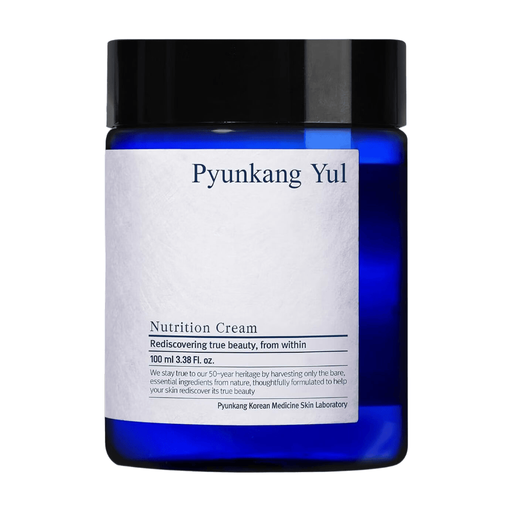
Why this suits the profile: A rich Korean face cream for anyone looking for comfort and nourishment in their morning and evening routine.
The description mentions a fragrance-free formula and notes the rich texture. This makes comparing easier than relying on an anti-ageing claim alone.
100 ml volume; shea butter, jojoba oil and sodium hyaluronate listed; made in South Korea according to the product information.
We’ve put together a full, up-to-date list of products that fully meet these strict selection criteria and comply with current European safety regulations.
Most hydrating face creams can be used once or twice a day, depending on the product instructions and how your skin feels. Apply the cream to a cleansed face. In the morning, follow with sunscreen afterwards.
Check the expiry date and the symbol for the period after opening on the packaging. Products should be stored tightly closed, in a cool, dry place away from direct sunlight. If the smell, colour or texture changes noticeably, do not continue using the product.
“Moisturiser” is a broad English term for a hydrating skincare product. A face cream is one form of it. The texture can vary from a light gel cream to a rich cream. Choose mainly based on your skin type, ingredients, time of use and personal preference.
