
Vandaag of morgen in huis

Kwaliteit gegarandeerd

Welkomstaanbiedingen ontgrendelen: GRATIS bezorging | Tot 80% korting | Gratis 30 dagen JoyPlus-proefperiode
Download de app
Buying a face cream seems simple, until you have to choose between a hydrating face cream, a facial moisturiser, a Korean face cream or a formula for sensitive skin. Marketing terms such as “intensive repair”, “glow” and “anti-ageing” don’t tell you much about whether a product is right for everyday use.
So, focus on these three common pitfalls:
A cream for dry skin often contains more emollients, oils or butters. This can feel comfortable if your skin feels tight or has visible dry lines. A gel cream is usually lighter and may be a better fit for oily or combination skin.
For a face cream for sensitive skin, a short, easy-to-follow ingredients list can be helpful. Avoid products you already know you react to. Test a new cream on a small area of skin first, and stop using it if irritation occurs.
Bear in mind that “collagen cream” doesn’t mean a cream will automatically replenish collagen in your skin. Products may contain collagen, collagen extracts or peptides, and refer to a smoother or firmer appearance. Always check exactly what the formula contains.
A 50 ml jar and a 100 ml tube aren’t directly comparable on price alone. You could work out the price per 10 ml. Also check the recommended amount to use and how long the product lasts after opening.
A day cream with UV filters, such as a formula with SPF 25, won’t always replace a full sun protection routine. Check the exact SPF rating and apply enough product according to the instructions. When using active ingredients such as retinol, follow the warnings on the packaging.

Why it suits this profile: The 100 ml size and gel cream texture make this a practical everyday facial moisturiser. The product description lists five types of hyaluronic acid and an ethanol-free formula.
The lighter texture means a hydrating cream doesn’t have to feel heavy or greasy. Do check that the oils it contains suit your skin.
100 ml; several forms of hyaluronic acid; suitable for use as a day or night cream according to the product information.
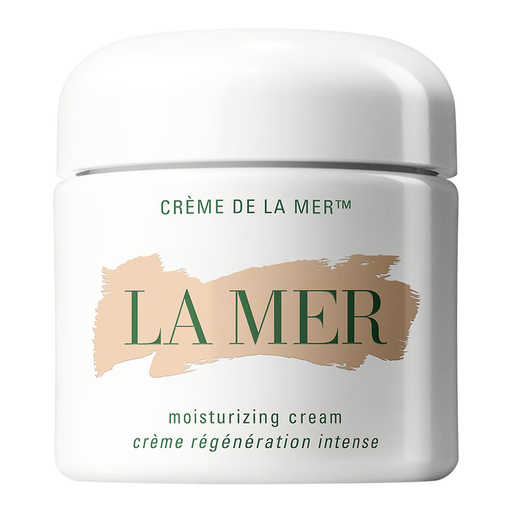
Why it suits this profile: According to the product information, this rich formula is designed for dry skin and comes with a spatula. If you’re looking for a luxurious texture and a generous size, you can compare this product by its ingredients and price per ml.
The product information clearly describes who it’s for and its rich consistency. This makes it easier to decide in advance whether the cream might feel too heavy for your skin.
100 ml; rich cream; the ingredients list includes glycerine, mineral oil and petrolatum.
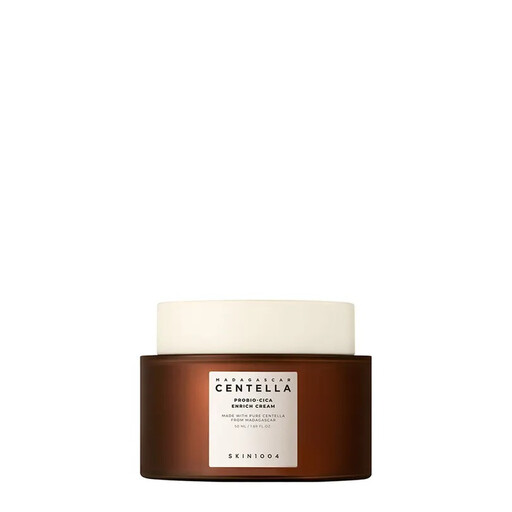
Why it suits this profile: According to the ingredients list, the formula includes Centella asiatica, niacinamide and emollients. This may suit people looking for a cream to support a sensitive skin barrier.
The product description mentions a concentrated, silky texture and says to use it as the final step. This makes its place in your routine clearer.
50 ml; the product information lists Centella asiatica and Ceramide NP; the product page says it is vegan and dermatologically tested.

Why it suits this profile: The product description mentions a lightweight gel texture for oily or combination skin, for use in the morning and evening.
The gel texture is clearly described, so you’re less likely to choose a heavy cream when what you really want is a non-sticky finish.
100 ml; gel cream for oily skin according to the product details; the product description lists red bean extract and a peptide complex.
We’ve put together a complete, up-to-date list of products that meet these strict selection criteria and current European safety regulations.
Usually, you apply face cream after cleansing and, if you use one, after serum. Follow the product instructions. A lightweight moisturiser can be used in the morning and evening; retinol creams often need to be introduced gradually.
Check the expiry date and the period-after-opening symbol on the packaging. Store the cream somewhere cool and dry, away from direct sunlight. Has its smell, colour or texture changed? Stop using the product.
Choose a formula with ingredients you already know your skin tolerates, and patch test new products first. A product described by the manufacturer as hypoallergenic or dermatologically tested isn’t guaranteed to suit every user. So read the full ingredients list and stop using it if irritation occurs.
