
Vandaag of morgen in huis

Kwaliteit gegarandeerd

Welkomstaanbiedingen ontgrendelen: GRATIS bezorging | Tot 80% korting | Gratis 30 dagen JoyPlus-proefperiode
Download de app
Choosing a face cream might seem straightforward – until you start comparing ingredient lists, skin types and marketing claims side by side. Are you looking for hydration, a cream for sensitive skin, a barrier cream or an anti-ageing cream? If so, it’s important to look beyond a flashy package or a promise on the front.
Many poor purchases come down to three common pitfalls:
A hydrating face cream often contains moisturising ingredients such as glycerine, betaine, panthenol or hyaluronic acid. These help to attract or retain water in the upper layers of the skin. A hyaluronic acid cream can therefore be a good choice if your skin feels tight.
For longer-lasting comfort, emollient and occlusive ingredients are also important – things like oils, shea butter, squalane, fatty acids and silicones. The order of ingredients gives you a practical clue: ingredients listed higher up are generally present in a larger amount than those at the bottom. However, the exact percentages aren’t always known.
If you have sensitive skin, check whether the formula contains fragrance, essential oils or lots of exfoliating agents. The Medicube Salmon DNA PDRN Pink Hyaluronic Moisturizing Cream, for example, lists fragrance in its ingredients. That doesn’t automatically make the cream unsuitable, but it is relevant information if you have sensitive skin.
A soothing face cream with centella asiatica, panthenol or ceramides may be a better fit for a routine where comfort is the priority. Even then, it’s wise to do a small patch test on a limited area of skin. Stop if you experience redness, itching, swelling or a burning sensation, and always follow the warnings on the packaging.
A retinol cream and a cream with glycolic acid serve a different purpose to a daily moisturiser. The Retinol 0.1 Cream contains 0.1% retinol according to the product description. Topicrem AH Theavit Renewing Cream lists glycolic acid as an AHA for exfoliation.
Introduce such products gradually into your routine and don’t start several new active ingredients at once. During the day, separate sun protection is essential when you’re using exfoliating or retinol products. Always follow the official usage instructions and check whether the product fits with your current routine.
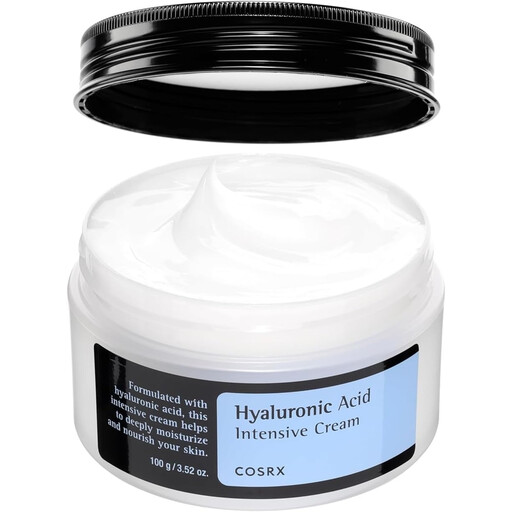
Why this fits the profile: A straightforward choice if you’re looking for a daily face moisturiser with a short ingredient list and a generous 100 g size.
The product information names specific ingredients such as glycerine, betaine, sodium hyaluronate and allantoin, rather than just a vague hydration promise.
Contains hyaluronic acid, glycerine and plant oils; 100 g size according to the product listing.

Why this fits the profile: Ideal for anyone who consciously compares ingredients for barrier care and wants a richer cream for both morning and evening.
The formula lists multiple ceramides, cholesterol, phytosphingosine, panthenol and hyaluronic acid. This lets you check precisely whether the composition suits your routine.
80 ml size; contains ceramides NP, NS, AP, AS and EOP plus squalane and sodium hyaluronate.
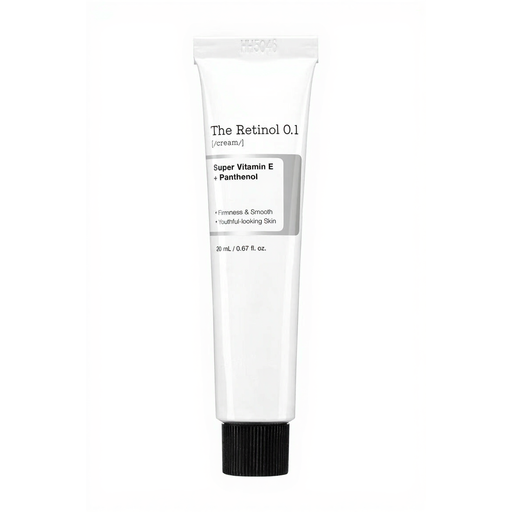
Why this fits the profile: For users who want to consciously add a retinol product to their evening routine and can build up usage gradually.
The 0.1% retinol concentration is stated in the product description. This makes the choice more concrete than a pack simply labelled “anti-ageing”.
0.1% retinol; also contains hyaluronic acid and panthenol according to the product information.
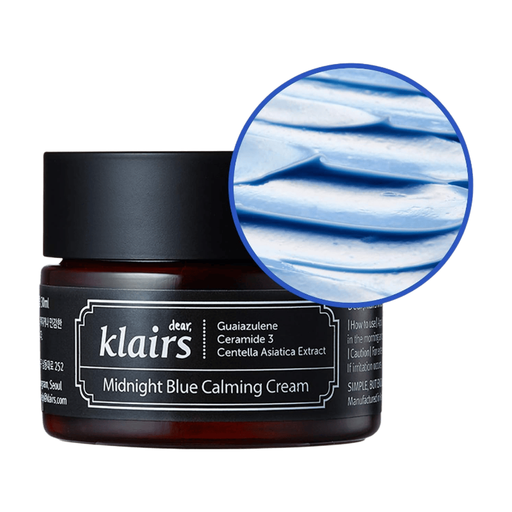
Why this fits the profile: The product description positions this cream as targeted night care for sensitive or stressed areas, rather than as a universal day cream.
The description mentions a fragrance-free formula and advises using a small amount as the last step in your evening routine. Always check the current packaging though.
Contains centella asiatica, ceramide NP, glycerine and sodium hyaluronate; 30 g size according to the product listing.
We’ve put together a full, up-to-date list of products that fully meet these strict selection criteria and comply with current European safety regulations.
Apply face cream to a cleansed skin. A serum or toner can come before it, depending on your routine. Use sun protection as the last step during the day. Start with a small amount; a thicker layer isn’t automatically more effective and can feel heavy on some skin types.
Store the product tightly closed, away from direct sunlight and according to the instructions on the packaging. Check the expiry date after opening and look out for changes in smell, colour or texture. It’s best not to share a pot with others to limit contamination.
Look for a combination of moisturising ingredients such as glycerine and hyaluronic acid, plus emollient ingredients like oils, shea butter, squalane or ceramides. A richer texture is often a better fit for dry skin than a light gel, but personal preference still matters.
Not everyone can tolerate retinol daily from the start. Begin with a limited frequency according to the product instructions and observe how your skin reacts. Do not use on damaged skin and stop if irritation persists. Sun protection during the day is essential in any routine that includes retinol.
The shelf life is stated on the packaging, often as an expiry date or a period after opening. Store the cream in a cool, dry place, close the packaging immediately and stop using the product if the smell, colour or texture changes noticeably.
