
Vandaag of morgen in huis

Kwaliteit gegarandeerd

Welkomstaanbiedingen ontgrendelen: GRATIS bezorging | Tot 80% korting | Gratis 30 dagen JoyPlus-proefperiode
Download de app
A face cream may seem simple to choose, but there’s a wide range to explore. Moisturising face creams, anti-ageing creams, retinol creams, collagen creams and vitamin C creams all have different purposes. However, eye-catching packaging or promises of smoother skin don’t always tell you enough about the formula.
Pay particular attention to the ingredients list, directions for use and suitability for your skin type. This can help you avoid buying an expensive cream that feels too heavy, causes irritation or doesn’t fit into your daily routine.
A cream containing retinol, acids or a high concentration of vitamin C may appeal if you have mature or uneven skin. But that doesn’t automatically make the formula suitable for beginners or sensitive skin. Retinol, for example, can cause dryness and irritation if you start using it too often.
When choosing products with active ingredients, look for clear directions for use. You could start with a lower concentration and use a sunscreen during the day. Always follow the warnings on the packaging.
Words such as “lifting”, “collagen” and “wrinkle reduction” often describe a product’s intended purpose, but they don’t guarantee the same results for every user. A brand’s own research may report certain visible effects, but individual skin reactions vary.
For example, a collagen cream may contain moisturising and soothing ingredients, while “stimulating collagen production” is a brand claim that shouldn’t be treated as a guaranteed result. So check which ingredients are actually in the formula.
A rich cream may feel pleasant on dry skin, but heavy on combination or acne-prone skin. A gel cream usually feels lighter, but may be less comforting if your skin barrier is dry.
If your skin reacts easily to cosmetics, also look out for fragrance, essential oils and active acids. It’s a good idea to patch test a new formula on a small area of skin.
Check the full INCI list. If an ingredient appears low down, you can’t necessarily tell how much of it the product contains. The packaging is the best source of information about the current formula.
The concentration matters when choosing a retinol cream. According to the product information, The Retinol 0.1 Cream contains 0,1% retinol. The The Retinol 0.3 Cream version lists 0,3% retinol. A higher concentration isn’t automatically more suitable.
It’s best to use retinol products in the evening, introduce them gradually and avoid combining them straight away with several exfoliating products. The product warning for the 0,3% version advises against use during pregnancy or breastfeeding without medical advice.
A 50 ml jar or pump bottle is a common size for a day or night cream. A smaller 20 ml tube can be handy if you want to try an active formula first. Check the expiry date, batch information and the period-after-opening symbol on the packaging.
Store face cream in a cool, dry place away from direct sunlight. Close the jar tightly to limit unnecessary contact with air and fingers.
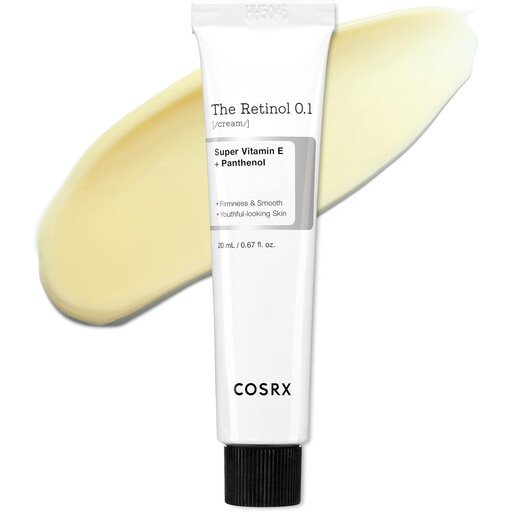
Why it suits this profile: The tube contains 20 ml and lists 0,1% retinol. That makes it a practical option if you want to introduce retinol into your routine gradually.
The lower stated concentration can help you avoid starting straight away with a stronger retinol formula. Follow the directions and build up gradually.
0,1% retinol, 20 ml and panthenol, according to the product information. A good option for keeping your evening routine simple.
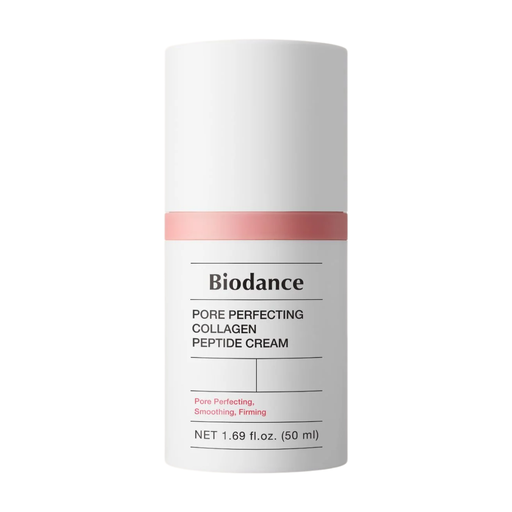
Why it suits this profile: According to the product information, this Korean skincare cream combines collagen water, several peptides, niacinamide and hyaluronic acid in a 50 ml formula.
The full ingredients list is provided, so you can check the formula rather than relying on the term collagen cream alone.
50 ml, several forms of hyaluronic acid and a lightweight formula described as hypoallergenic in the product description.
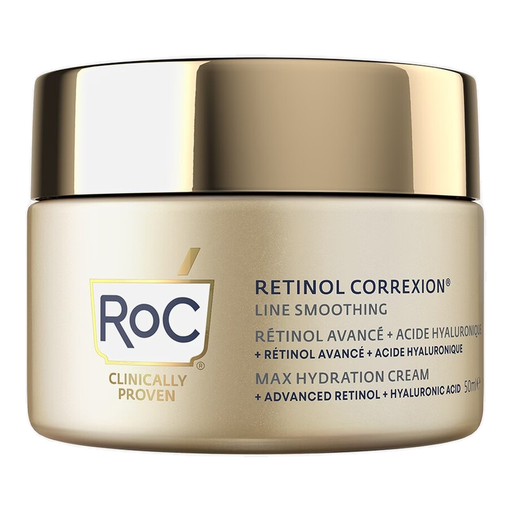
Why it suits this profile: According to the product information, this face cream combines hydration and retinol care in one formula, making it a good fit for users who are already familiar with an active evening routine.
The product information lists both Pure RoC Retinol and hyaluronic acid. Still, check your tolerance and follow the directions for use; “daily” is no reason to ignore irritation.
50 ml, retinol and hyaluronic acid according to the product specifications; the cream is described as suitable for all skin types.
We’ve put together a complete, up-to-date list of products that meet these strict selection criteria and the applicable European safety regulations.
A day cream with SPF can be practical, but check the stated protection factor and apply enough product. For extended sun exposure, using a separate sunscreen is often simpler.
Look for a short, straightforward ingredients list and, if in doubt, avoid fragrance, essential oils and using several active ingredients at once. A cream for sensitive skin containing panthenol, ceramides or centella may be suitable, but test it on a small area of skin first. Stop using it if irritation persists and seek medical advice if needed.
Check the expiry date and the jar symbol on the packaging. This symbol tells you how long the product can be used after opening. Keep the cream out of direct sunlight and close the packaging tightly after use.
The terms are often used interchangeably. An anti-ageing cream may focus on hydration, elasticity or a more even-looking complexion. An anti-wrinkle cream may contain retinol, peptides, niacinamide or hyaluronic acid. So compare the ingredients and directions for use rather than relying on the name on the packaging.
