
Vandaag of morgen in huis

Kwaliteit gegarandeerd

Welkomstaanbiedingen ontgrendelen: GRATIS bezorging | Tot 80% korting | Gratis 30 dagen JoyPlus-proefperiode
Download de app
Buying a new face cream might seem straightforward, until you have to choose between a gel, a rich cream, a face moisturiser or a Korean face cream with a long list of ingredients. Marketing terms like “restorative”, “glow” and “48-hour hydration” sound appealing, but they don’t always tell you how a product will feel on your skin.
The right choice depends mainly on your skin type, desired texture, ingredients and when you’ll use it. Below, you’ll find the key points to check before you order a hydrating face cream online.
Hyaluronic acid, niacinamide and Centella Asiatica are common in K-beauty face cream. That doesn’t automatically make a formula suitable for every skin type. The full ingredients list, fragrance and texture are at least as important.
A hyaluronic acid cream can be pleasant for a tight feeling, while a dry skin may also benefit from soothing oils or an occlusive cream base. For sensitive skin, fragrance, essential oils or certain plant extracts may be less desirable.
A product described as suitable for all skin types can feel different on oily skin compared to dry skin. A rich cream may be comfortable in winter, but feel heavy under sunscreen or make-up during the day.
So look at the texture:
According to a brand’s own research or product information, a formula may help your skin feel more comfortable, softer or hydrated. That’s different from a guaranteed improvement in redness, acne, wrinkles or pigmentation.
So use terms like barrier-repairing cream, anti-ageing face cream and acne cream as a starting point for your search. Then check the ingredients, usage instructions and warnings. For persistent skin concerns, advice from a doctor or dermatologist is wiser than trying one cream after another.
A cream for dry skin often contains a combination of humectants, emollients and a cream base that helps limit moisture loss. Look out for ingredients like glycerine, panthenol, ceramides, shea butter or oils.
For a face cream for sensitive skin, a short, clear ingredients list is often practical. Also check whether it contains fragrance, alcohol denat. or essential oils. “Hypoallergenic” is a product claim, not a guarantee that no one will react. A patch test on a small area of skin is still wise.
For a face cream for oily skin, a light gel cream may be more comfortable than a heavy, occlusive formula. Look for a non-sticky finish and don’t automatically use more product than you need.
Bear in mind that a face cream with multiple active ingredients isn’t always necessary. A simple moisturiser can be a better addition if you’re already using a serum or exfoliant.
Don’t just compare the price – also compare the volume in millilitres or grams. A 400 ml pot is practical if you want to use the same cream for your face and body, while a 30 or 50 ml tube is handy for taking with you.
Check the shelf-life information on the packaging and make a note of when you started using the product. Store the cream in a cool, dry place away from direct sunlight. Don’t use a product that smells different, has changed colour or has altered in texture.
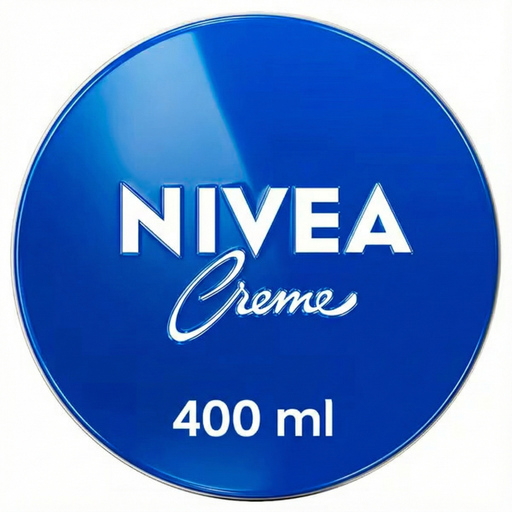
Why this fits the profile: The large pack is designed for face and body and suits anyone looking for one multi-purpose cream for daily use.
The product information clearly states its use for face and body. Do check the fragrance and allergen information before ordering.
400 ml volume, panthenol in the formula and suitable for daily use on face and body according to the product description.
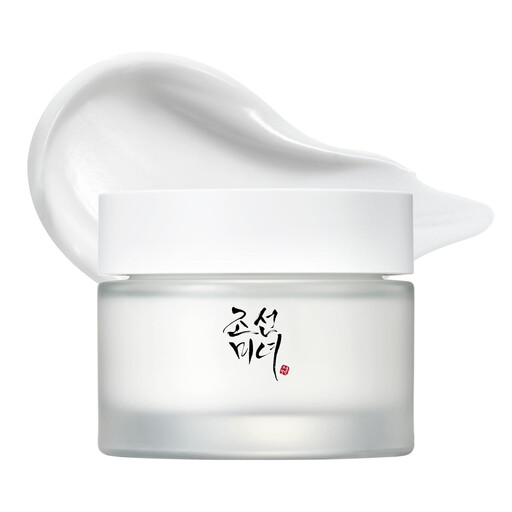
Why this fits the profile: This Korean face cream suits anyone looking for a fuller, creamy texture and a pampered finish within a K-beauty routine.
The ingredients list is available, so you can check for niacinamide, panthenol, sodium hyaluronate and plant extracts.
50 ml, creamy formula and ingredients that suit a hydrating routine for normal or dry skin.
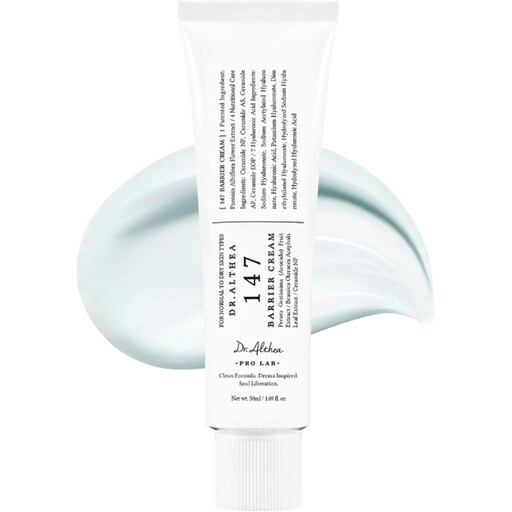
Why this fits the profile: Interesting for users who are deliberately looking for a barrier-repairing cream with ceramides and multiple forms of hyaluronic acid.
The product description specifically mentions seven types of hyaluronic acid, ceramides and guaiazulene. Check the full INCI list if you have sensitive skin.
Ceramides, vitamin E and multiple forms of hyaluronic acid are mentioned in the product information as part of the formula.
We’ve put together a full, up-to-date list of products that fully meet these strict selection criteria and comply with current European safety regulations.
After cleansing, apply a small amount to slightly damp skin. Start with a pea-sized amount and only add more if your skin needs it. During the day, follow with a separate sunscreen; a regular moisturiser does not replace sun protection unless the product is explicitly designed for that purpose.
When trying a new formula, a patch test is wise. Stop if you experience stinging, swelling, itching or persistent redness, and check the safety information on the packaging.
For most daily routines, once in the morning and once in the evening is practical. Oily skin may be fine with a thin layer, while dry skin may prefer more product, especially in the evening.
Follow the expiry date and the period-after-opening symbol on the packaging. Store the cream away from direct sunlight and close the pot or tube properly after use. A change in smell, colour or texture is a reason to stop using the product.
Choose a formula with a clear ingredients list and check for fragrance, essential oils and known allergens. A face cream for sensitive skin is not automatically suitable for everyone; always test it on a small area of skin first.
