
Vandaag of morgen in huis

Kwaliteit gegarandeerd

Welkomstaanbiedingen ontgrendelen: GRATIS bezorging | Tot 80% korting | Gratis 30 dagen JoyPlus-proefperiode
Download de app
Buying a new face cream might seem straightforward, until you have to choose between a gel, a rich cream, a moisturiser, a Korean face cream or an anti-ageing face cream. Marketing copy often emphasises a radiant complexion, long-lasting hydration or a firmer appearance. Such claims are not automatically a guarantee for your skin.
The right choice therefore starts with verifiable information: skin type, ingredients, texture, volume and usage. This way, you can avoid a cream that feels too greasy, doesn't provide enough comfort or causes unnecessary irritation.
Body cream is usually intended for a larger skin surface and may contain a heavier texture or fragrance. A product like Sence Bodycream Aloe Vera 200 ml is, according to the product information, a body cream and not a face cream. The same applies to Sence Bodycream Coconut and Sol de Janeiro Beija Flor Elasti Body Cream.
That doesn't mean every body cream is unsuitable for the face, but the application and ingredients are not automatically tailored to facial skin. Always check the product type and the stated application area.
A cream with hyaluronic acid is not automatically suitable for every dry skin type. A cream with niacinamide, a ceramide cream or a formula with botanical extracts can also feel different than expected for some users.
According to the product information from the brands, ingredients such as glycerine, hyaluronic acid, niacinamide and ceramides are used for hydration and skincare. These are product claims; your experience also depends on your skin type, the amount you use and the rest of your routine.
A light gel cream can be pleasant for oily or combination skin, while dry skin more often needs a richer formula with oils, butters or barrier-supporting ingredients. Also pay attention to fragrance. A fragrance-free face cream can be a practical choice when you prefer to avoid scented products, but always check the full ingredients list.
The ingredients list, also known as the INCI list, is usually on the packaging or product page. Don't just look at one popular ingredient, but at the combination:
A product claim such as "hypoallergenic", "dermatologically tested" or "non-comedogenic" should be read as a claim from the brand. Also check whether the formulation matches your personal preferences.
A 100 ml pot may seem good value per millilitre, but a tube can be more hygienic and easier to take with you. With a pot, it's important to use clean hands. Check the shelf life information and the period-after-opening symbol on the packaging. Do not use a cream when the scent, colour or texture has clearly changed.
A face cream also does not automatically contain sun protection. Use a separate sunscreen during the day if that is part of your routine.
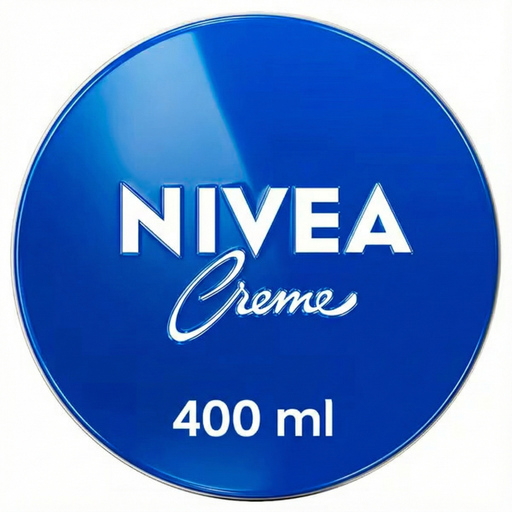
Why this fits the profile: The large volume and application for face, body and hands make this a practical choice for anyone wanting to start with one product.
The product information clearly states that it is a moisturiser for face and body. Do check the fragrance ingredients and allergens present.
400 ml volume, panthenol in the ingredients list and a wide application area.

Why this fits the profile: The gel-cream is oil-free and, according to the product information, suitable for dry, combination and oily skin.
The texture and oil-free formula are clearly described upfront. The claim of 100 hours of hydration comes from Clinique's product information.
75 ml, hyaluronic acid in the ingredients list and fragrance-free product information.
We've put together a full, up-to-date list of products that fully meet these strict selection criteria and comply with current European safety regulations.
Most moisturisers are used after cleansing, usually in the morning and evening. Follow the instructions on the packaging. When trying a new formula, start with a small amount and don't add all active products at once.
First look for a short, clear ingredients list and check whether fragrance or known allergens are present. A face cream for sensitive skin is not automatically suitable for everyone. Therefore, test the product on a small area first and stop if irritation occurs.
This varies per product. Check the expiry date and the period-after-opening symbol on the packaging. Store the cream in a cool, dry place away from direct sunlight. Always use clean hands or a clean spatula with a pot.
