
Vandaag of morgen in huis

Kwaliteit gegarandeerd

Welkomstaanbiedingen ontgrendelen: GRATIS bezorging | Tot 80% korting | Gratis 30 dagen JoyPlus-proefperiode
Download de app
Choosing a new face cream might seem straightforward, but the differences in texture, ingredients and usage are significant. A rich cream can feel comforting on dry skin, yet too heavy on oilier skin. A product packed with active ingredients sounds appealing, but it won’t automatically suit a sensitive complexion.
As a Joybuy Product Recommendation Officer, I focus on verifiable information: skin type, ingredient list, texture, volume and usage advice. This way, you avoid being swayed by a flashy claim or a luxurious package alone.
Words like “restorative”, “lifting” or “anti-ageing” don’t always describe exactly what a cream does. So, look at the full ingredient list. A hyaluronic acid cream can, for example, help lock moisture into the skin’s surface, while ceramides are particularly relevant when you’re looking for a barrier-repair cream.
Claims about a brand’s effectiveness are not established medical facts. According to the brand’s own research, certain ingredients may contribute to a particular skin experience. Always check whether the claim on the product page and packaging is substantiated.
A cream with niacinamide, hyaluronic acid or ceramides might seem suitable, but the overall formula determines how the product feels. Oils, silicones, alcohol, fragrance and plant extracts can also be relevant if your skin reacts quickly.
With a cream for sensitive skin, it’s wise not to search for just one soothing ingredient. Also check whether it contains fragrance, essential oils or exfoliating acids. If in doubt, first do a patch test on a small area of skin.
A thick cream isn’t automatically better for dry skin, and a gel isn’t exclusively for oily skin. Consider your climate and routine. In winter or when your skin feels tight, a richer formula can be more comfortable. During the day, under sunscreen or make-up, a light gel cream often works more practically.
Use your skin type as a starting point, not a fixed rule:
Hyaluronic acid comes in several forms and is often used in facial moisturisers. A formula with multiple forms, such as Isntree Hyaluronic Acid Moist Cream and Torriden DIVE-IN, can be interesting when you’re mainly looking for moisture and a comfortable skin feel.
Ceramides are skin lipids commonly found in products for the moisture barrier. The Anua 3 Ceramide Panthenol Moisture Barrier Cream lists, among others, Ceramide NP, Ceramide EOP and Ceramide AP in its ingredients. That makes the formula relevant for anyone seeking a ceramide cream.
Niacinamide is often added to formulas for uneven skin tone or an oilier feel. However, its presence doesn’t tell you how much is used or what result you’ll experience.
Also compare the amount: the range includes sizes from 15 ml to 100 ml. A small size, like Skin1004 Madagascar Centella Probio-Cica Enrich Cream at 15 ml, can be handy for trying out a formula first. A pot of 80 or 100 ml is better suited if you use a lot of product daily.
Check the shelf-life information on the packaging. Isntree, for example, states that the product should be used within six months of opening. Store face cream in a cool, dry place away from direct sunlight, and keep the lid tightly closed.

Why this fits the profile: The 100 ml pot and light gel texture suit daily use for anyone looking for a simple facial moisturiser.
The product description mentions a light gel texture and a less sticky feel, so you don’t have to choose a heavy cream straight away.
100 ml; gel cream; according to the product info, aimed at oily skin and hydration.
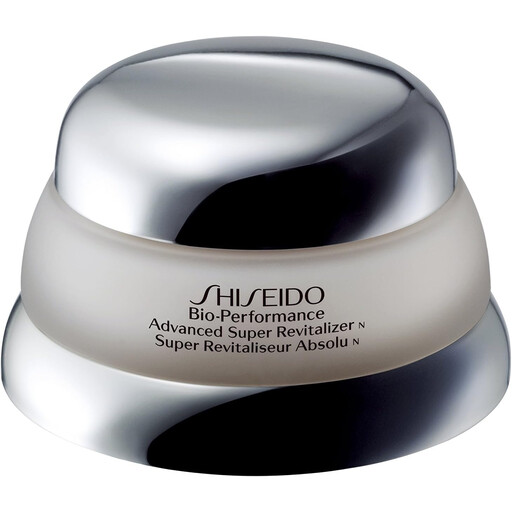
Why this fits the profile: A shopper who values a luxury skincare routine can compare this 50 ml cream based on brand, size and product presentation.
The choice can be based on the concrete size and product category, not just on general terms about skin rejuvenation.
50 ml; luxury face cream; suitable for comparing alongside other formulas on texture and time of use.

Why this fits the profile: This option suits anyone specifically looking for a barrier-focused formula for daily morning and evening use.
The formula lists multiple ceramides, panthenol, glycerine and hyaluronic acid. This allows you to compare more precisely than relying on a single marketing term.
100 ml; Ceramide NP, EOP and AP; panthenol and sodium hyaluronate in the ingredient list.
We’ve put together a full, up-to-date list of products that fully meet these strict selection criteria and comply with current European safety regulations.
Apply a face cream after cleansing and, if you use one, after a serum. Use an amount you can spread evenly over your face and neck. Too much product won’t make a formula more effective and can leave a heavy or sticky feeling.
During the day, use a sunscreen if your cream contains ingredients that can increase sensitivity to the sun, such as AHA, BHA, PHA or certain vitamin C derivatives. Products like Topicrem AH Theavit and SOME BY MI AHA-BHA-PHA list exfoliating acids, so follow the warnings on the packaging.
If you have acne-prone skin, look for a product whose information states a non-comedogenic formula, such as Dr. Althea 345 Relief Cream. This isn’t a guarantee that everyone will tolerate the product without issues. Stop if irritation occurs and, if problems persist, seek advice from a doctor or dermatologist.
You can usually use a facial moisturiser once or twice a day, depending on the product instructions and how your skin feels. A lighter formula often suits the morning; a richer night cream for the face can be comfortable in the evening.
This varies by product. Check the expiry date, the symbol for the period after opening and any instructions on the packaging. Keep the cream sealed, dry and out of direct sunlight. If the smell, colour or texture changes noticeably, stop using the product.
The price depends on factors like brand, volume, ingredients and packaging. So, compare the price per millilitre and see whether the formula suits your skin type. A more expensive cream isn’t automatically better; an affordable hydrating face cream can be sufficient for daily use.
