
Vandaag of morgen in huis

Kwaliteit gegarandeerd

Welkomstaanbiedingen ontgrendelen: GRATIS bezorging | Tot 80% korting | Gratis 30 dagen JoyPlus-proefperiode
Download de app
Choosing a new face cream might seem straightforward, until you have to decide between a gel, lotion, rich cream or Korean face cream. Marketing copy often promises a smooth, radiant or firmer-looking complexion, but it’s the formula and how you use it that ultimately determine whether a product is right for you.
The three most common buying pitfalls:
Confusing a body cream with a face cream
A body cream can be rich, heavily fragranced or contain fruit acids. That doesn’t automatically make it suitable for daily use on your face. Always check the application instructions on the label.
Only looking at one popular ingredient
Hyaluronic acid, niacinamide or ceramides sound appealing, but the full ingredients list and texture are at least as important. A hyaluronic acid cream might feel light, whereas a formula with oils and shea butter is richer.
Taking “for all skin types” too literally
A cream for all skin types can be practical, but dry, oily and sensitive skin don’t have the same needs. Fragrance, essential oils, alcohol or a heavy texture may be less pleasant for some users.
Hyaluronic acid comes in different forms and is mainly used in hydrating formulas. Ceramides, cholesterol and fatty acids are often chosen in a face cream for the skin barrier. That doesn’t tell you how your skin will react; usage, concentration and the rest of the formula all matter.
If you have sensitive skin, it’s wise not to introduce too many new products at once. This way you can better judge which product feels pleasant and which product might cause irritation. Stop if you experience redness, itching or a burning sensation.
A 100 ml pot might seem good value, but a small amount can already be enough. Check:
A body cream such as Sol De Janeiro Bom Dia Bright Body Cream 240 ml is, according to the product information, intended for the body. The description mentions fruit acids and vitamin C and advises a patch test. That makes this not an obvious choice if you’re specifically looking for a face cream.
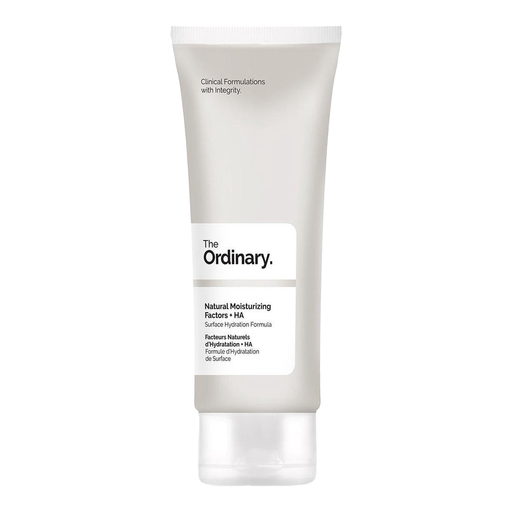
Why this fits the profile: The non-greasy formula is suitable for multiple skin types and offers a straightforward starting point for anyone primarily looking for daily hydration.
The product information states a non-greasy formula without alcohol, oil and silicones. Always check the current packaging though.
100 ml quantity; contains Natural Moisturising Factors and hyaluronic acid according to the product information.

Why this fits the profile: The light gel texture is, according to the product description, aimed at oily or combination skin and at users who don’t want a sticky feeling.
The product information explicitly mentions the gel structure and the avoidance of a heavy, greasy feel. If you have dry skin, check whether an extra cream is needed.
100 ml; contains 44% Haenam red bean extract and a peptide complex according to the product information.
We’ve put together a full, up-to-date list of products that fully meet these strict selection criteria and comply with current European safety regulations.
Apply a small amount to a cleansed face. A damp skin can feel pleasant with a hydrating face cream, but follow the usage instructions on the packaging. Use a separate sunscreen during the day if you expect UV exposure. If you have sensitive skin, introduce one new product at a time and test it on a small area first.
Also pay attention to combinations. A cream with fragrance may be less suitable if you’re already using several active products. If you experience redness, persistent irritation or a skin concern, advice from a doctor or pharmacist is more appropriate than continually trying a different cream.
For most products, once in the morning and once in the evening is usual, but the packaging is the guide. For oily skin, a lighter layer may be sufficient; dry skin may need more comfort at certain times.
This varies per product. Look at the open-jar symbol, for example 6M or 12M, and at the information on the packaging. Store the cream in a cool, dry place away from direct sunlight. Has the smell, colour or texture changed? It’s best not to use the product.
No. The price doesn’t automatically prove that a formula suits your skin better. Compare ingredients, quantity, texture, fragrance and usage advice. A simple moisturiser can be sufficient for daily hydration, while someone else might be looking for a richer ceramide cream or Korean face cream.
