
Vandaag of morgen in huis

Kwaliteit gegarandeerd

Welkomstaanbiedingen ontgrendelen: GRATIS bezorging | Tot 80% korting | Gratis 30 dagen JoyPlus-proefperiode
Download de app
Choosing a new face cream seems simple, until you’re faced with terms such as “intensive hydration”, “repair”, “anti-ageing” and “glow”. A high price or a long ingredients list doesn’t, in itself, tell you whether a product is right for your skin.
The right choice mainly depends on three things: your skin type, the ingredients and when you use the cream. Follow the advice below to avoid buying a product that’s too rich, too light or too active for your daily routine.
Words such as “repairing”, “rejuvenating” or “pore-refining” often describe how a brand positions its product. A brand’s own research or the product description doesn’t mean that everyone will experience the same results.
So start by checking the information you can verify:
A hyaluronic acid cream can feel pleasantly hydrating, but the overall formula determines how it feels on your skin. A product with several types of hyaluronic acid may also contain oils, silicones or emollients. These affect the finish and how suitable it is for dry, oily or combination skin.
The same goes for a ceramide cream. Ceramides are worth considering if your routine focuses on retaining moisture, but a rich formula may feel less comfortable on oily skin.
A retinol cream or a cream with glycolic acid isn’t always suitable for a beginner’s routine. Start with a small amount and don’t use the product every night straight away. Stop using it if irritation persists, and always follow the instructions on the packaging.
When using products with retinol or exfoliating acids, it’s important to wear sunscreen during the day. Also check that the formula is suitable for your skin, and don’t combine several active ingredients without checking first.
When choosing a cream for dry skin, look for a formula with humectant and emollient ingredients such as glycerine, panthenol, shea butter, squalane or hyaluronic acid. A richer texture can feel especially comfortable in the evening or during cold, dry months.
For sensitive skin, a short, easy-to-understand ingredients list is often a practical choice. Look out for fragrance and essential oils if you’re sensitive to them. A fragrance-free night cream can be a sensible option if you want to keep your routine simple.
A gel cream with a light finish will usually feel more comfortable than a heavy, occlusive cream. Look for terms such as “lightweight” and “non-greasy”, but check the full ingredients list too. “Non-comedogenic” is a product claim, not a guarantee that every skin type will react in the same way.
You can choose between a light day cream and a richer night cream. Apply a little more to drier areas if needed, and use a thinner layer on your T-zone.
The order of ingredients gives you an initial idea of the formula. If you’re considering a retinol cream, check the stated percentage. According to the product details, Retinol 0.1 Cream contains 0.1% retinol and is intended for beginners. This gives you more specific information than a general “anti-ageing” claim.
When it comes to acids, it’s worth checking which acid the product contains. Topicrem AH Theavit Renewing Cream lists glycolic acid and says it can be used in the morning and evening. As glycolic acid exfoliates according to the product description, it’s best to introduce it gradually.
A day cream should sit well under sunscreen and make-up. A night cream can be richer, especially if you have dry skin. A gel cream, such as some Korean skincare creams, may be a better fit for oily or combination skin.
Check the size too: 20 ml of retinol cream will last differently from a 80 or 100 ml jar. You could work out the price per 10 ml to compare products more fairly.
Check the expiry information on the packaging and look for the symbol showing how long the product can be used after opening. Don’t use a cream in a jar or tube for longer than indicated. Store it somewhere cool and out of direct sunlight if the label advises you to do so.
A patch test can be useful when trying a new formula, especially if you have sensitive skin or are using active ingredients. Stop using the product if you notice redness, itching or a burning sensation. If symptoms are severe or persist, you can contact a healthcare professional.
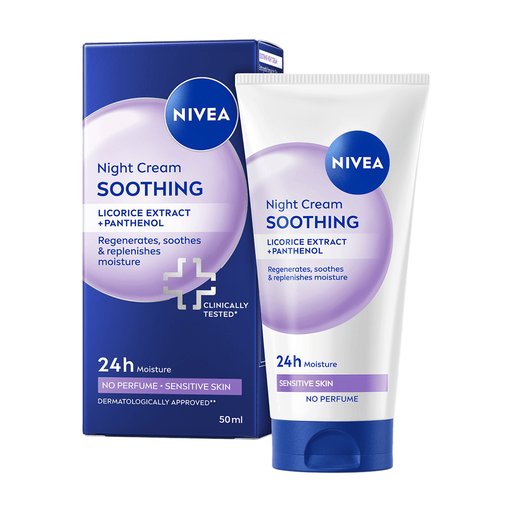
Why it suits this profile: This 50 ml fragrance-free night cream is simple to use and designed for sensitive skin. The formula lists ingredients including glycerine, panthenol and liquorice extract.
The product details make clear when to use it, how much it contains and that it’s fragrance-free. That means you don’t have to rely on a general claim about “soothing” alone.
Fragrance-free formula, 50 ml size and stated suitability for sensitive skin.
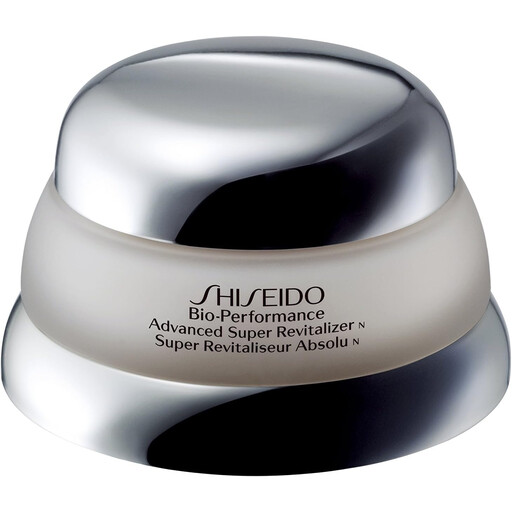
Why it suits this profile: This 50 ml cream is a good fit if you value a more luxurious skincare routine and are looking for a richer cream texture.
The product information specifies the size and product variant. Before buying, compare the ingredients, texture and price per 10 ml with alternatives.
Luxury face cream, 50 ml size and suitable for use on the face.
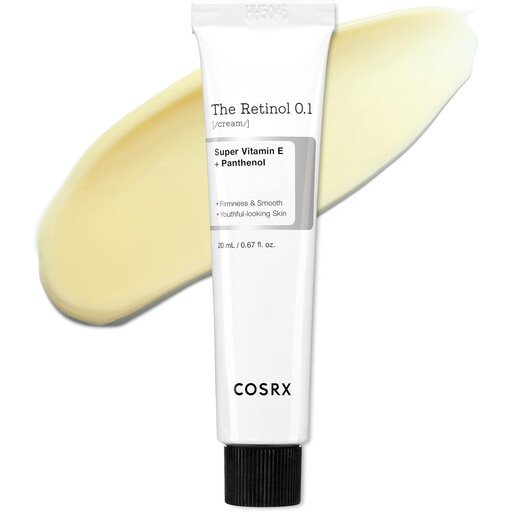
Why it suits this profile: According to the product details, this retinol cream contains 0.1% retinol and is intended for beginners. The instructions recommend introducing it gradually.
The retinol percentage and instructions for building up use are clearly stated. This helps beginners avoid using an active cream every day from the outset.
0.1% retinol, 20 ml size and a gradual introduction schedule.
We’ve put together a full, up-to-date list of products that meet these strict selection criteria and current European safety regulations.
You can usually use a hydrating face cream once or twice a day, depending on the product instructions and your skin. Use a day cream in the morning and a night cream, usually after cleansing, in the evening. Apply serums or treatments first, then finish with cream.
Check the expiry date and the symbol showing how long the product can be used after opening on the packaging. The texture, smell and colour may change if a product is too old. Keep the cream tightly closed and out of direct sunlight.
Choose a formula without unnecessary fragrance, and look for a light texture if you have oily or acne-prone skin. If you have sensitive skin, a ceramide cream or a product with panthenol may be worth considering. Test a new cream on a small area of skin first, and follow the safety information on the label.
