
Vandaag of morgen in huis

Kwaliteit gegarandeerd

Welkomstaanbiedingen ontgrendelen: GRATIS bezorging | Tot 80% korting | Gratis 30 dagen JoyPlus-proefperiode
Download de app
Buying a face cream seems simple, until you have to choose between a gel, a rich cream, a Korean face cream or a facial moisturiser with a long list of ingredients. Marketing copy often emphasises terms like “intensive”, “restorative” or “anti-ageing”, while the practical differences lie mainly in ingredients, texture and usage.
If you compare carefully, you can avoid three common buying mistakes:
A hydrating face cream often contains humectants such as glycerine, betaine or hyaluronic acid. These ingredients help retain moisture in the upper layers of the skin. A hyaluronic acid cream can be pleasant for normal, dry or dehydrated skin, but the final texture also depends on the oils, silicones and emulsifiers in the formula.
To support the skin barrier, look for ceramides, cholesterol, fatty acids, squalane and panthenol. Don’t take the term “skin barrier repair” as a guaranteed result: a cream can support the skin barrier by limiting moisture loss and keeping the skin comfortable.
Niacinamide appears in several formulas. A cream with niacinamide is worth considering when you want to combine hydration with a more even-looking complexion in one routine. Its effectiveness and tolerance depend on the overall formula and your individual skin reaction.
A 50 ml pot and a 100 ml tube aren’t directly comparable. Look at the volume and how much product you need per application. You’ll often use a smaller amount of a richer cream than a thin gel.
Also check:
Extra care is needed with a product containing vitamin C, salicylic acid or retinal. Build up usage slowly and don’t automatically combine several active products in the same routine.
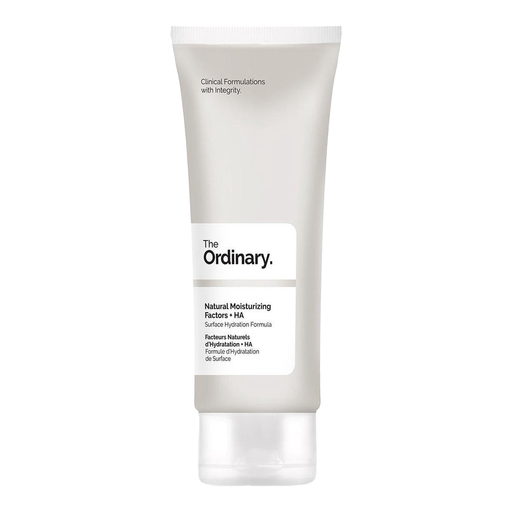
Why this fits the profile: The formula is designed for daily hydration and contains amino acids, fatty acids and hyaluronic acid, among other ingredients. The 100 ml size is practical for anyone building a simple routine.
The product information states a non-greasy formula without alcohol, oil or silicones. Do check whether the texture suits your skin.
100 ml; contains hyaluronic acid and multiple moisture-binding components; suitable for various skin types according to the product data.
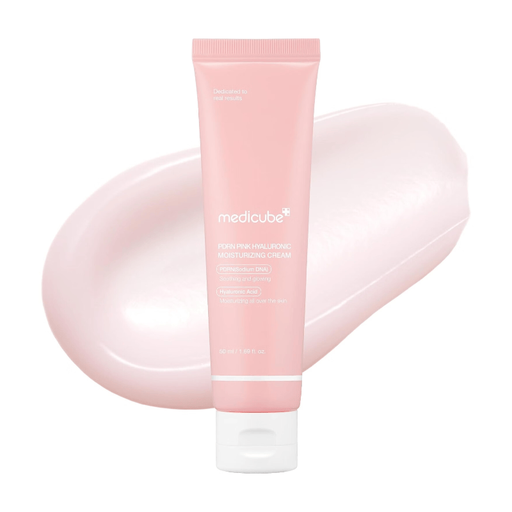
Why this fits the profile: This Korean face cream has an extensive ingredients list with multiple forms of hyaluronic acid, niacinamide, panthenol and various ceramides.
The composition clearly shows which hydrating and barrier-focused ingredients are present. The formula also contains fragrance, which is something to note for sensitive skin.
Ceramide NP, NS, AS, AP and EOP; multiple forms of hyaluronic acid; can be used morning and evening according to the product information.

Why this fits the profile: This cream combines a gel-cream texture with five forms of hyaluronic acid and a 100 ml size. That suits daily use or as a richer night cream.
The product data clearly states the texture, size and key hydrating components. This helps you judge whether the cream is too light or too heavy.
Five forms of hyaluronic acid; contains ceramide NP, panthenol and shea butter; suitable for daily use according to the product description.
We’ve put together a full, up-to-date list of products that fully meet these strict selection criteria and current European safety regulations.
Look for a cream for dry skin with glycerine, hyaluronic acid, ceramides, panthenol, shea butter or plant oils. A richer texture is especially pleasant in the evening. Apply the cream to slightly damp skin to help maintain a comfortable feel.
For most daily routines, once in the morning and once in the evening is practical. First cleanse gently, apply a serum if you wish, and then use the face cream. During the day, sun protection should be the last step if you’re going outside.
Follow the expiry date and the jar-opened symbol on the packaging. Store the cream sealed, in a dry place and out of direct sunlight. If the smell, colour or texture changes, stop using it, even if the official shelf life hasn’t expired.
