
Vandaag of morgen in huis

Kwaliteit gegarandeerd

Welkomstaanbiedingen ontgrendelen: GRATIS bezorging | Tot 80% korting | Gratis 30 dagen JoyPlus-proefperiode
Download de app
A face cream may seem simple to choose, but the wide range available can make comparing products difficult. Are you looking for a hydrating face cream, a cream for dry skin or perhaps a lightweight gel cream? You will soon come across terms such as “glow”, “lifting” and “skin barrier repair”. Without clear information about ingredients, texture and how to use the product, these words do not tell you much.
As a Joybuy Product Recommendation Officer, I focus mainly on verifiable product information. Below, you can read which pitfalls to avoid, which features matter and which face cream may suit different situations.
Terms such as “anti-ageing”, “brightening” or “lifting” often describe a product’s intended purpose, but they do not automatically predict how your skin will respond. According to a brand’s own research or the product description, ingredients may make the skin look smoother, plumper or more even. This does not guarantee a particular result.
Always check the full ingredients list. A retinol cream, for example, contains a specific percentage of retinol, whereas “rejuvenating care” without an active ingredient gives you little useful information.
A cream for dry skin often contains oils, butters or occlusive ingredients that help retain moisture. However, a rich cream can feel uncomfortable under sun cream or make-up if you have oily or combination skin. A gel cream or lightweight emulsion may be a more suitable choice.
Conversely, a thin cream may not provide enough comfort if your skin feels tight or flaky. So do not just look at the marketing name; also check the stated consistency and consider your daily routine.
Niacinamide, vitamin C, retinol and exfoliating acids can all form part of a targeted routine. However, using several active products at the same time increases the risk of irritation. When using retinol and AHA, BHA or PHA products, it is also recommended that you apply sun cream during the day.
A cream for sensitive skin is not automatically suitable for everyone. Check for fragrance, essential oils and known allergens and, if in doubt, carry out a patch test first.
Choose ingredients based on your skin’s needs:
The presence of an ingredient on the list is not proof that a product has a medical or guaranteed effect. The concentration, formula and your personal tolerance all play a part.
A 50 ml jar and a 75 ml tube are not directly comparable. Check the amount and consider how much product you use each time. A tube is often practical and limits direct contact with the rest of the cream. With a jar, a spatula can be useful.
Also check the directions for use. Some formulas are intended for morning and evening use, while retinol products are usually introduced gradually. Nourishing facial skincare with a rich texture may be better suited to an evening routine.
Check whether a product is described as fragrance-free, alcohol-free or hypoallergenic. These terms do not guarantee that irritation is impossible. According to product information from various brands, fragrances, citrus oils and essential oils may cause sensitivity in some users.
A face cream with SPF does not always replace a separate sun protection routine. Check the SPF rating, apply enough product and follow the instructions on the packaging.
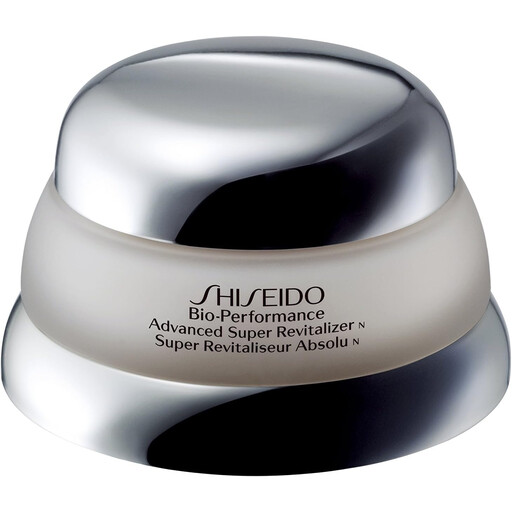
Why it suits this profile: For anyone looking for a luxury face cream with a classic cream texture and who values a premium, brand-led skincare routine.
The choice is based on the product type and 50 ml capacity, rather than an unsubstantiated result claim.
Luxury cream formula; 50 ml; suitable for an extensive facial skincare routine.
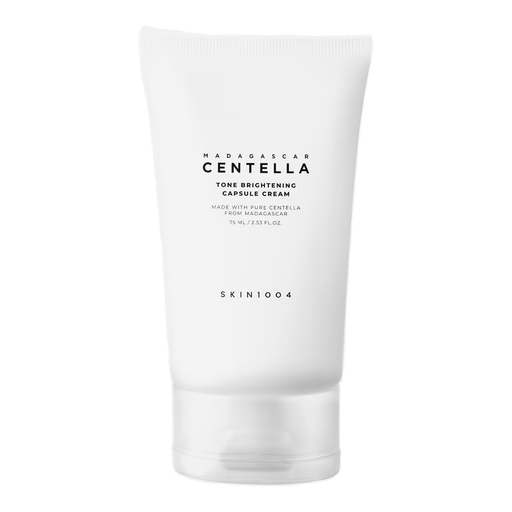
Why it suits this profile: According to the product information, this lightweight gel cream contains 60% centella asiatica extract, niacinamide and tranexamic acid, and is intended to hydrate the skin and improve the appearance of an uneven complexion.
The formula explicitly states that it is fragrance-free and alcohol-free. However, always check the current packaging and patch test on a small area first if you have sensitive skin.
75 ml; gel cream texture; the formula lists centella asiatica, niacinamide and tranexamic acid.
Cleanse your face gently, apply a serum if required and then spread a small amount of cream over your face and neck. Use suitable sun cream during the day. If you are using retinol, start at a low frequency and only increase it when your skin tolerates it well. Do not immediately combine several potent active ingredients.
Check the expiry date, PAO symbol and storage instructions on the packaging. Stop using the product if you experience persistent redness, itching or a burning sensation, and seek advice from a healthcare professional if your symptoms are severe or keep returning.
We have put together a complete, up-to-date list of products that fully meet these strict selection criteria and the applicable European safety regulations.
Look for a rich cream containing glycerine, hyaluronic acid, panthenol, ceramides, oils or shea butter. A cream for dry skin can feel richer, particularly in the evening. If your skin is also prone to irritation, check for fragrance and essential oils.
For most daily routines, once in the morning and once in the evening is practical. The exact frequency depends on the formula. For example, you should introduce a retinol cream gradually according to the label, whereas a simple hydrating face cream can often be used every day.
No. Price is not the only measure of suitability. Compare the amount, ingredients, texture, packaging and directions for use. A simple cream with glycerine and ceramides may be more practical for your skin than a luxury formula containing numerous active ingredients.
