
Vandaag of morgen in huis

Kwaliteit gegarandeerd

Welkomstaanbiedingen ontgrendelen: GRATIS bezorging | Tot 80% korting | Gratis 30 dagen JoyPlus-proefperiode
Download de app
Choosing a new face cream seems simple, until you have to decide between a moisturising face cream, a ceramide cream, a night cream or a product for sensitive skin. Packaging often promises smoother, firmer or more radiant-looking skin, but it’s the formula and instructions that determine whether a product suits your skin and routine.
A product with lots of ingredients isn’t automatically a better choice. First, look for ingredients that match your needs:
An ingredient’s place on the INCI list gives you an indication of its concentration, but it doesn’t tell you everything about how it works. A brand’s claims also don’t guarantee the same results for everyone.
A light gel cream may feel comfortable on oily or combination skin, while a richer cream may suit dry skin better. Yet both products might be labelled as suitable for all skin types.
So, pay attention to:
A cream for eczema or psoriasis may have different instructions and a different status from a regular facial moisturiser. According to the product information, Lucovitaal Eczema Psoriasis Intensive Cream is marketed as a medical device. Always read the leaflet and follow the instructions for this type of product. If symptoms persist or get worse, it’s best to seek advice from a doctor or pharmacist.
A hyaluronic acid cream focuses mainly on helping the skin retain moisture. This can be useful if your skin feels tight. If you’re looking for a cream that supports the skin barrier, consider formulas combining ingredients such as ceramides, cholesterol, panthenol or squalane.
A formula containing several types of hyaluronic acid isn’t automatically more effective. Also check whether the cream contains occlusive ingredients, which help reduce moisture loss.
If you have sensitive skin, a short, straightforward ingredients list may be easier to assess. Take extra care with fragrance, essential oils and active ingredients you haven’t used before. If in doubt, do a patch test, as several product descriptions recommend.
A cream for dry skin is often richer and may contain ingredients such as shea butter, oils or silicones. A light gel cream may feel more comfortable on oily or blemish-prone skin. “Non-comedogenic” and “hypoallergenic” are product claims, so always check the packaging and stop using the product if irritation occurs.
A night cream doesn’t need to contain a sun filter and often has a richer texture. A day cream may be lighter and sometimes contain SPF. For example, the L’Oréal Paris Revitalift Day Cream Laser X3 is described as containing SPF 25, pro-retinol, vitamin C and hyaluronic acid. According to the product information, it’s a daytime product. If you’re spending a long time in the sun, use suitable sun protection and follow the instructions on the packaging.
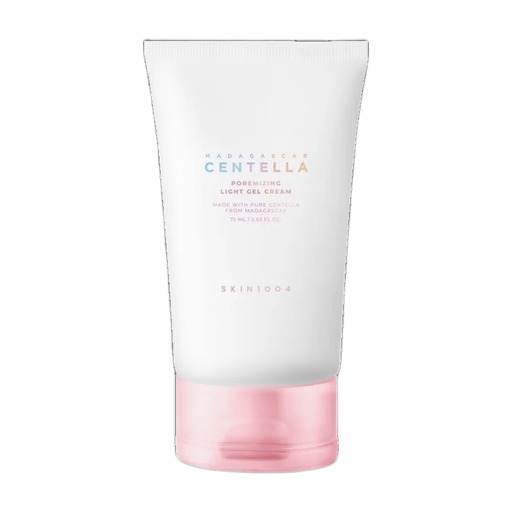
Why it suits this profile: The light gel texture and 75 ml size make this a straightforward choice if you’re looking for a simple facial moisturiser.
You can check the ingredients list in advance. It includes glycerine, niacinamide, panthenol and several forms of hyaluronic acid.
75 ml, a gel cream texture and centella asiatica in the ingredients list. Check that the listed plant extracts are suitable for your skin.
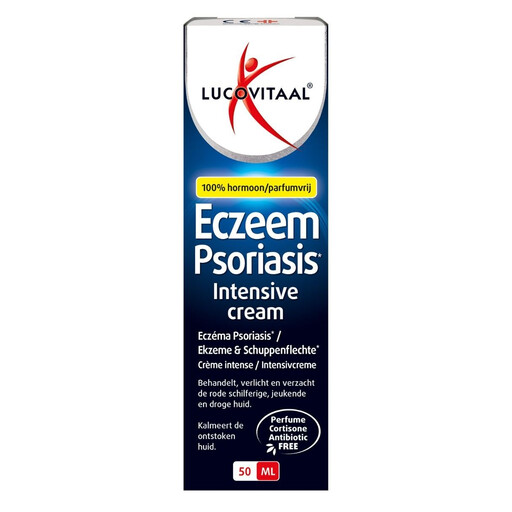
Why it suits this profile: This product is specifically intended for adults looking for a cream for dry, flaky or itchy skin associated with eczema or psoriasis.
The product description clearly explains what it’s for, gives a dosage of once or twice a day, and advises you to read the leaflet.
50 ml, fragrance-free according to the product information, with clearly stated directions for adults with eczema or psoriasis.
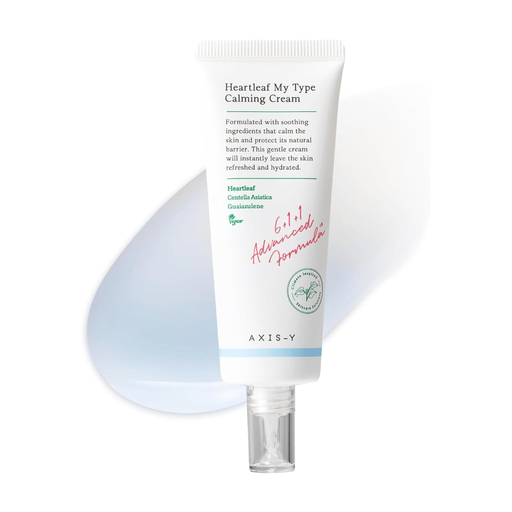
Why it suits this profile: The product information positions this as a light cream for oily and combination skin, and mentions that it can be used as a make-up base.
This choice is based on its described light texture and intended skin type, not just general terms such as “soothing” or “radiant”.
60 ml, described as a light cream and listed as vegan and cruelty-free in the product specifications.
We’ve put together a complete, up-to-date list of products that meet these strict selection criteria and comply with current European safety regulations.
Look for a cream for dry skin with humectants such as glycerine or hyaluronic acid, as well as emollient or occlusive ingredients such as ceramides, shea butter, oil or squalane. You don’t always need a rich texture; choose a formula that feels comfortable and doesn’t irritate your skin.
Most cosmetic moisturisers are designed for daily use, often in the morning and evening. Check the product instructions. Introduce active ingredients such as retinol gradually, and use suitable sun protection during the day if the product information recommends it.
Shelf life varies from product to product. Check the expiry date and the open-jar symbol on the packaging, for example 6M. Store the cream as instructed, usually tightly closed, in a dry place and out of direct sunlight. Stop using it if its smell, colour or texture changes, or if it causes irritation.
