
Vandaag of morgen in huis

Kwaliteit gegarandeerd

Welkomstaanbiedingen ontgrendelen: GRATIS bezorging | Tot 80% korting | Gratis 30 dagen JoyPlus-proefperiode
Download de app
Buying a face cream seems simple enough – until you have to choose between a hydrating face cream, a Korean face cream, a moisturiser for dry skin or a cream for sensitive skin. Marketing terms like “barrier repair”, “anti-ageing” and “intensive soothing” sound appealing, but they don’t always tell you enough about the formula.
The right choice depends mainly on your skin type, the ingredients, the texture and your daily routine. Below, you’ll find out what to look for and which popular options suit different situations.
Centella Asiatica, hyaluronic acid, ceramides and niacinamide often feature prominently on the packaging. However, the presence of such an ingredient doesn’t tell you how much of it is in the formula or how your skin will react to it. A cream with Centella Asiatica may feel pleasant on sensitive skin, but it is not a medical treatment for redness or irritation.
So pay attention to the full ingredients list and read claims like “soothing” or “anti-ageing” as a product promise from the brand. According to a brand’s own research, certain results can be reported, but that doesn’t automatically make them predictable for every user.
A rich cream can feel comfortable on dry skin, especially in winter or when your skin feels tight. For oily or combination skin, the same texture can feel heavy. A non-greasy face cream or gel cream usually fits better into your routine.
Don’t just look at the words “light” or “rich” – also check the ingredients. Shea butter, oils and fatty alcohols often point to a more nourishing texture. Glycerin, panthenol and hyaluronic acid, on the other hand, are often used in hydrating formulas that attract moisture.
“For sensitive skin” doesn’t always mean fragrance-free. Check the ingredients for perfume and essential oils such as lavender, citrus, eucalyptus or geranium oil. If you have sensitive skin, it’s wise to try a small amount on a limited area first. Stop if you feel a burning sensation, itching, swelling or persistent redness, and follow the safety information on the packaging.
A cream for skin barrier support often contains a combination of humectants, emollients and occlusive ingredients. Humectants like glycerin and hyaluronic acid help attract moisture. Ceramide NP, cholesterol and fatty acids are similar to substances found in the skin barrier. Oils, shea butter and silicones can help lock in the feeling of moisture for longer.
So a cream mainly supports the comfort and moisture balance of the outermost skin layer. You shouldn’t interpret the term “repair” as having a medical effect.
Don’t just compare the price of the pot or tube. Divide the price by the number of millilitres or grams. A 100 ml pack can work out cheaper than a smaller pot, but you might use a smaller amount of a richer cream. Also check the expiry date and the period after opening on the packaging.
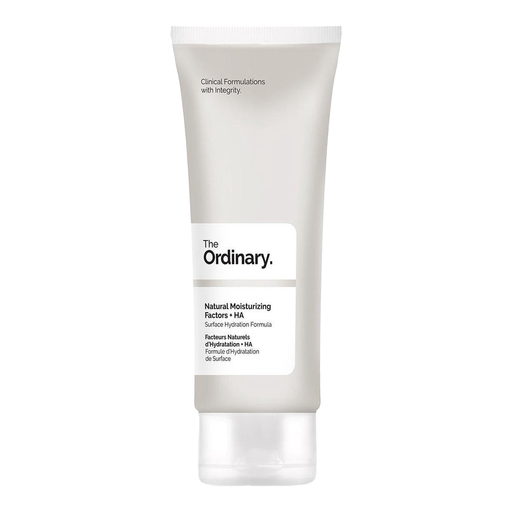
Why this fits the profile: A straightforward daily moisturiser with 100 ml content and a non-greasy formulation. The product information mentions use for dry, normal, oily, mature, sensitive and combination skin, among others.
According to the product description, the formula is free from alcohol, oils, silicones and nuts. Always check the current packaging and ingredients list.
100 ml, hyaluronic acid in the formula and a light, non-greasy texture.
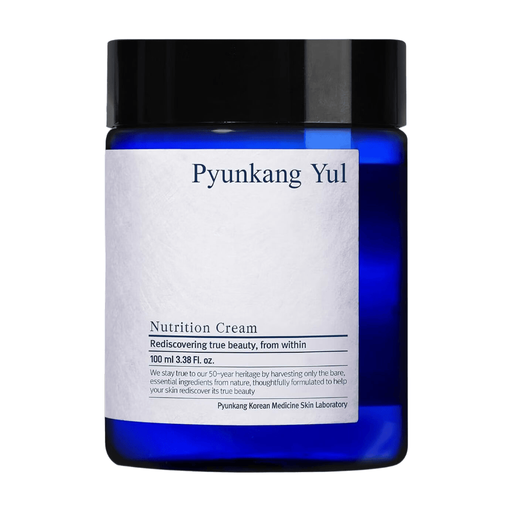
Why this fits the profile: A Korean face cream offering richer care for dry, demanding or mature skin. The product description mentions 100 ml, a fragrance-free formula and ingredients such as shea butter, jojoba oil and astragalus root extract.
The description positions the cream as nourishing without leaving a heavy or greasy residue. If you have very oily skin, a small amount is advisable.
100 ml, fragrance-free according to the product information and suitable as the final step in your routine.
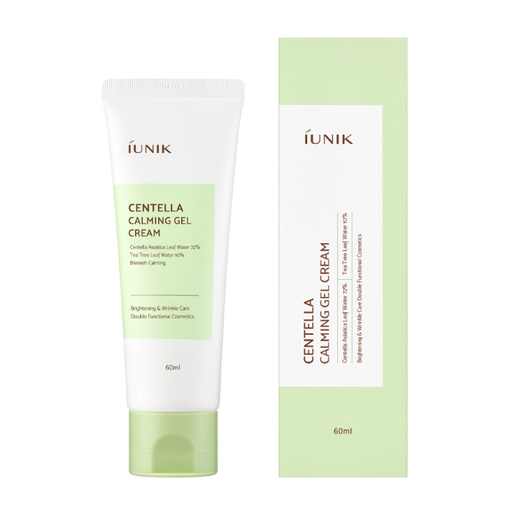
Why this fits the profile: The gel texture is designed for light hydration without a sticky or heavy feel. Centella Asiatica, tea tree extract, niacinamide and adenosine are listed in the product information.
The light structure limits the risk of a greasy skin feel. The clinical results reported by the brand are brand-specific claims and not a guarantee for every user.
60 ml, gel cream texture and product information stating the formula is suitable for oily, combination and sensitive skin.
We’ve put together a full, up-to-date list of products that fully meet these strict selection criteria and comply with current European safety regulations.
A soothing face cream can be pleasant when your skin feels tight, but stop if irritation occurs. Do not use cream on damaged skin and avoid contact with the eyes.
Most moisturisers can be used in the morning and evening according to the product instructions. Start with a small amount. Dry skin can sometimes tolerate more product, while oily or combination skin often only needs a thin layer.
Check the expiry date and the period after opening on the packaging. Store the cream in a cool, dry place away from direct sunlight and keep the packaging tightly closed. If the smell, colour or texture changes, stop using the product.
Look for a fragrance-free formula with ingredients like glycerin, panthenol or ceramide NP. Always check the full ingredients list as well. Even a vegan face cream or a cream for redness can contain essential oils or other substances that don’t suit every sensitive skin type.
