
Vandaag of morgen in huis

Kwaliteit gegarandeerd

Welkomstaanbiedingen ontgrendelen: GRATIS bezorging | Tot 80% korting | Gratis 30 dagen JoyPlus-proefperiode
Download de app
Buying a face cream might seem straightforward, but there’s a huge range to choose from. A light gel-cream feels very different from a rich barrier cream. And a product for the face isn’t necessarily suitable for very dry or sensitive skin.
Marketing claims can also be confusing. So focus on the ingredients list, directions for use, size and suitability for your skin type. That way, you can avoid paying for a tempting promise only to find that the cream doesn’t feel comfortable or fit into your routine.
Terms such as “intense hydration”, “repair” and “anti-ageing” don’t tell you much on their own. Check which ingredients are mentioned and whether the claim comes from the brand itself. A claim such as “72-hour hydration” should be treated as a brand claim, not a guaranteed personal result. For example, NIVEA Repair & Care refers to an instrumental test involving a limited number of participants.
A nourishing face cream can feel comfortable on dry skin, but may feel too heavy under make-up or on combination skin. A light formula, such as a moisturiser with a gel-like or silky texture, may be more practical. Also check the difference between a cream for the face and one for both face and body.
A natural face cream may contain plant extracts or fragrance. That doesn’t automatically make it suitable for everyone. If you have sensitive skin, always check the full ingredients list and follow the warnings on the packaging. Stop using the product if irritation occurs, and ask a doctor or pharmacist for advice if symptoms persist.
Glycerine helps attract moisture and is often found in hydrating formulas. Hyaluronic acid is widely used in moisturisers. Ceramides and lipids are often used in products designed to support the skin barrier. Urea is commonly found in creams for very dry, rough skin.
If you’re looking for a natural face cream, check whether the product has a relevant certification or lists specific ingredients. For example, Weleda Skin Food displays a NATRUE label. The product information also states that it contains 100% natural ingredients. Treat this as information from the brand and always check the current packaging.
A 400 ml tub is practical for face and body, while a 40 or 50 ml tube is easier to carry around and can be more hygienic if you only use small amounts. Also check:
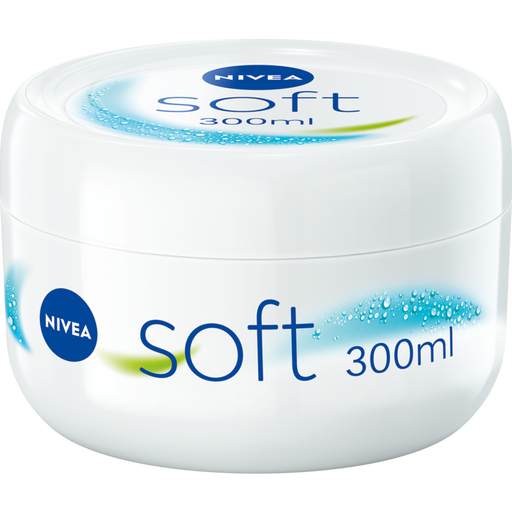
Why it suits this profile: The cream is designed for both face and body and, according to the product information, has a light texture that absorbs quickly. This makes it practical for everyday use without needing several different skincare products.
The intended use is clearly stated, and the packaging lists a 300 ml size. Check the ingredients list if you want to avoid fragrance or specific fragrance ingredients.
A generous size, suitable for face and body, with glycerine, vitamin E and jojoba oil, according to the product information.
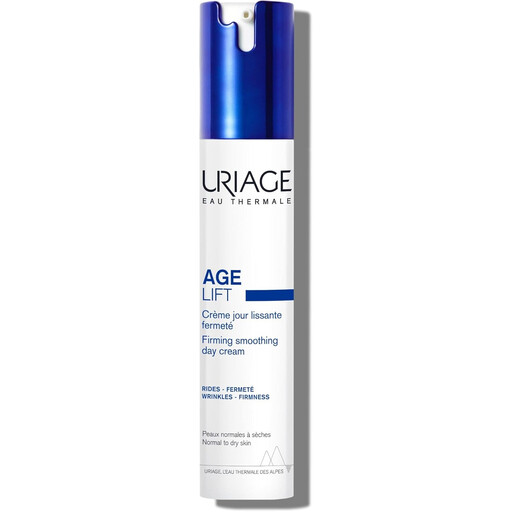
Why it suits this profile: According to the product description, this anti-ageing cream is designed to support firmness and hydration. The formula is described as fragrance-free and non-comedogenic, and as suitable for sensitive skin.
The product information gives specific details about texture, use and skin type. If irritation occurs, the brand recommends reducing how often you use it.
The product information lists retinol, hyaluronic acid and shea butter; it comes in a 40 ml tube.
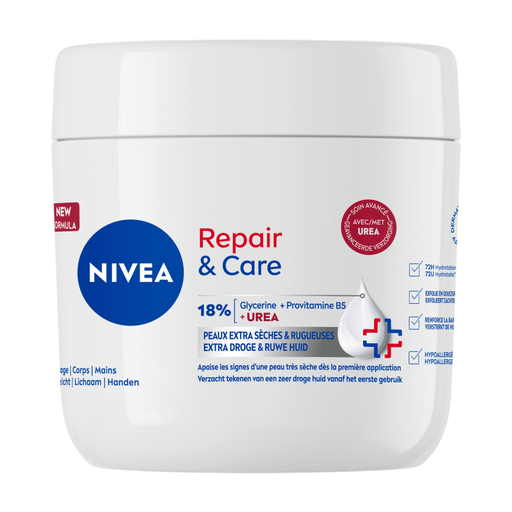
Why it suits this profile: This cream is designed for very dry, rough skin and is intended for the body and hands. According to the product information, it contains glycerine, urea and provitamin B5.
The intended skin type and areas of use are clearly stated. This makes it clear that it’s primarily an intensive body cream, rather than a light face cream.
400 ml, designed for very dry skin, with urea, glycerine and provitamin B5 among the listed ingredients.
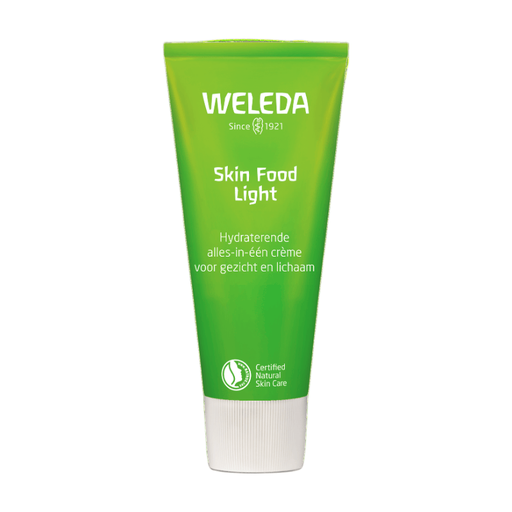
Why it suits this profile: According to the product information, this nourishing cream is intended for both face and body, with a lighter texture than the classic Skin Food formula.
The product information mentions the NATRUE label and states that it can be used on the face and body. Check the fragrance ingredients if your skin is sensitive to perfume.
100% natural ingredients, according to the product information; suitable for face and body and available in a 75 ml size.
We’ve put together a complete, up-to-date list of products that meet these strict selection criteria and the applicable European safety regulations.
Look for a formula with hydrating and nourishing ingredients such as glycerine, panthenol, shea butter, oils or urea. A rich cream can feel especially comfortable in the evening. If you’re also using it on your face, check that this is clearly stated on the product.
You can if the packaging says it’s suitable for both. A face and body cream is practical, but a body cream may be richer or more fragranced than you’d like for your face. If you have sensitive skin, test a small amount first, following the directions for use.
Check the expiry date and the period-after-opening symbol on the packaging. Keep the cream closed, out of direct sunlight and stored according to the manufacturer’s advice. Has its smell, colour or texture changed? If so, stop using it.
