
Vandaag of morgen in huis

Kwaliteit gegarandeerd

Welkomstaanbiedingen ontgrendelen: GRATIS bezorging | Tot 80% korting | Gratis 30 dagen JoyPlus-proefperiode
Download de app
Buying a face cream seems simple enough, until you have to choose between a hydrating face cream, an anti-ageing face cream, a cream for sensitive skin or an SPF face cream. Packaging often promises firmer skin, an even complexion or fewer visible wrinkles. Yet a striking claim means little if the texture doesn’t suit your skin or if you haven’t checked the ingredients.
As Joybuy’s Product Recommendation Officer, I filter product information down to the practical details. This way, you can compare face creams based on skin type, ingredients, time of use, texture and sun protection, rather than just marketing speak.
Words like “lifting”, “glow” and “anti-ageing” don’t automatically describe a guaranteed effect. According to a brand’s own research, certain ingredients may contribute to the product properties described, but individual results vary. So treat “anti-wrinkle face cream” as a search direction, not a promise.
Look for verifiable information:
Dry skin can benefit from a richer formula containing ingredients like glycerine, shea butter, squalane, ceramides or oils. Combination or blemish-prone skin may prefer a gel cream or light lotion. A hydrating face cream doesn’t have to feel greasy.
Also consider the season. In winter, a barrier-repairing cream can be comforting, whereas in warm summer weather you might prefer a thin, fast-absorbing formula.
A day cream without SPF does not automatically protect against UV radiation. If you’re looking for sun protection, check whether the packaging clearly states an SPF value and UVA information. Products like an SPF face cream must also be applied generously and reapplied according to the instructions. “Light” or “daily” on the packaging doesn’t automatically mean sun filters are present.
First, choose based on practical use:
Glycerine, panthenol and hyaluronic acid are commonly used as humectants. Ceramides and lipid-like components suit a routine that supports the skin barrier. The Dr. Althea 147 Barrier Cream, for example, lists seven types of hyaluronic acid and ceramides.
For a more even complexion, you’ll often see niacinamide, vitamin C derivatives, liquorice root extract or tranexamic acid. The AXIS-Y TXA 2.5% Intensive Brightening Cream states 2.5% tranexamic acid, niacinamide, panthenol and ceramide NP. According to the product information, SPF 30 or higher is recommended when using it during the day.
Acids require extra attention. Topicrem AH Theavit Renewing Cream contains glycolic acid, an AHA. Build up use gradually and stop if irritation occurs. The Garnier SkinActive Vitamin C Fresh & Bright Sorbet Cream also contains salicylic acid and fragrance allergens such as limonene, linalool and geraniol. That can be relevant when you’re looking for a cream for sensitive skin.
Check the shelf life after opening, the batch number and the current ingredients list on the packaging. Product information can change per production batch or market. In case of eye contact, follow the instructions on the packaging; if redness, swelling or irritation persists, it’s wise to stop using the product and seek medical advice.
Apply face cream to a cleansed skin. Use a separate SPF during the day if your cream doesn’t state a sun protection factor. If you have sensitive skin, test a new product on a small area first.
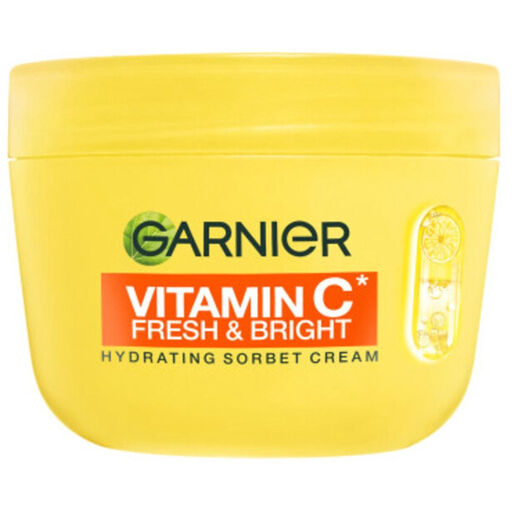
Why this suits the profile: The sorbet texture and 50ml size make this cream practical for anyone wanting to build a simple, light routine.
The ingredients list clearly shows that the formula contains fragrance, alcohol denat. and salicylic acid. This means you can assess in advance whether it suits your skin.
Light sorbet texture; contains niacinamide and a vitamin C derivative. Use sun protection during the day as per the product information.
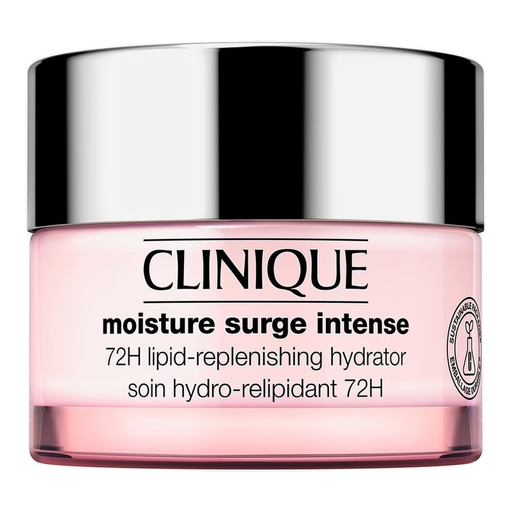
Why this suits the profile: This gel cream is designed for dry to very dry skin and, according to the product description, can also be used as a short hydrating mask treatment.
The formula is not presented as an SPF product. You therefore know that separate sun protection is needed when you go outside during the day.
Fragrance-free according to the product labels; contains glycerine, squalane, dimethicone and sodium hyaluronate.
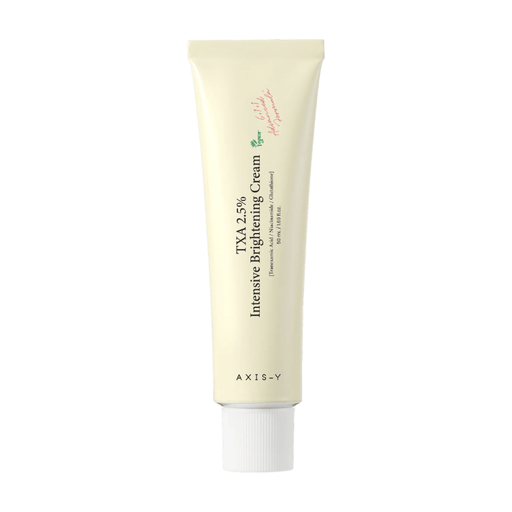
Why this suits the profile: This Korean face cream is aimed at users who want to build their routine around uneven skin tone and pigmentation spots.
The product states the concentration of tranexamic acid at 2.5% and gives a clear warning about SPF use during the day.
Contains niacinamide, ceramide NP, panthenol and three forms of hyaluronic acid according to the stated ingredients list.
We’ve put together a full, up-to-date list of products that fully meet these strict selection criteria and comply with current European safety regulations.
That depends on the product. Many creams are intended for the morning, evening or both. Follow the product instructions and use a small amount on clean skin. For dry skin, an extra layer can be comforting, but a larger amount doesn’t automatically give a better result.
Check the date on the packaging and the symbol for the period after opening, for example 12 months. Store the cream in a cool, dry place away from direct sunlight. A pot can be less hygienic than a pump bottle due to repeated contact with fingers; so pay attention to the packaging and close it properly.
Yes, if you want protection against UV radiation. A regular hydrating face cream does not automatically contain SPF. Choose a product with a clearly stated SPF and UVA indication, such as a separate SPF face cream, and follow the instructions for application and reapplication.
