
Vandaag of morgen in huis

Kwaliteit gegarandeerd

Welkomstaanbiedingen ontgrendelen: GRATIS bezorging | Tot 80% korting | Gratis 30 dagen JoyPlus-proefperiode
Download de app
Buying a new face cream might seem straightforward, until you have to choose between a lotion, gel cream, rich cream or hydrating face cream. Marketing copy often promises long-lasting hydration, a stronger skin barrier or a more youthful appearance. Those terms don't always tell you how a product will feel in your daily routine.
The right choice mainly depends on your skin type, texture preference, ingredients and when you'll use it. With these checkpoints, you can avoid buying a cream that's too greasy for combination skin, or one that's too light for dry skin.
Claims like "up to 24, 48, 72 or 100 hours of hydration" come from the brand's product information. According to the manufacturer's own research, such results may have been measured under specific test conditions. They don't automatically mean your skin will feel comfortable for that long in the British climate.
So pay attention to the formula too. Glycerine, hyaluronic acid ingredients, panthenol and dimethicone, for example, appear in various hydrating products. The combination of humectants and occlusive ingredients is often more relevant than one eye-catching claim on the packaging.
A product described as suitable for all skin types can still feel different on oily, dry or sensitive skin in practice. A gel cream face is usually light and absorbs quickly. A rich cream often contains more emollient or occlusive ingredients and therefore suits a dry skin more.
Also check whether you want to avoid fragrance. A fragrance-free face cream can be a logical choice when you'd rather limit scents, but fragrance-free doesn't automatically mean a product is suitable for everyone.
Words like anti-ageing, lifting, glow and barrier support sound appealing. Treat them as product positioning, not guaranteed results. According to a brand's own research, a formula might claim a visible effect on elasticity or wrinkles, but cosmetic results vary from person to person.
Look at the ingredients list and the instructions for use. If irritation occurs, stop using it. A face cream is also not a substitute for sun protection or medical advice.
Glycerine helps attract moisture and is common in moisturising cream. Sodium hyaluronate and other forms of hyaluronic acid are used as humectants. A hyaluronic acid cream can therefore give a supple skin feel, but the effect and experience depend on the full formula.
Dimethicone, petrolatum and certain oils can help the skin surface feel comfortable. They are not necessarily suitable or unsuitable: the right choice depends on your preference and skin type. Also watch out for fragrances if you react sensitively to perfume.
Compare millilitres or grams, not just the price of the packaging. A 125 ml pot can be more cost-effective per application than a small 30 ml pot, while a small pack is handy for trying it out first.
Follow the instructions on the packaging. Some products are intended for morning and evening, others can also be used as a mask or spot treatment. Apply a day cream face to cleansed skin and use a separate sunscreen during the day if that fits your routine.
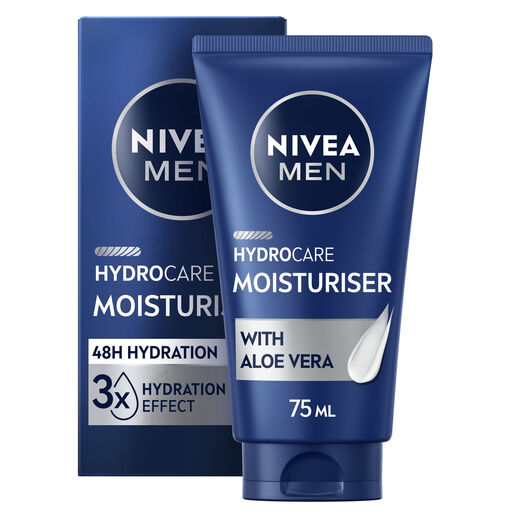
Why this fits the profile: A practical face cream for men looking for a simple daily routine. The product description mentions 75 ml, panthenol, aloe vera and a light texture.
The product information mentions a non-greasy, fast-absorbing formula. Do check the fragrance listing if you want to avoid scents.
75 ml; contains glycerine, panthenol and aloe vera according to the ingredients list; intended for normal and dry skin.
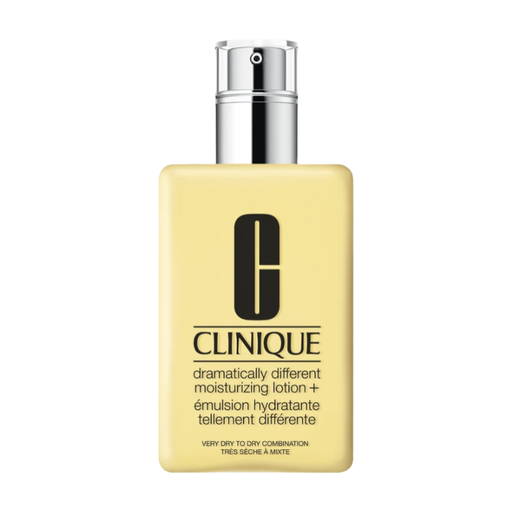
Why this fits the profile: Suitable for those looking for a larger pack and a fragrance-free lotion for very dry to dry/combination skin.
The packaging states 125 ml and 100% fragrance-free. This lets you compare volume and scent preference concretely in advance.
125 ml; fragrance-free according to the product data; contains glycerine, dimethicone and sodium hyaluronate.
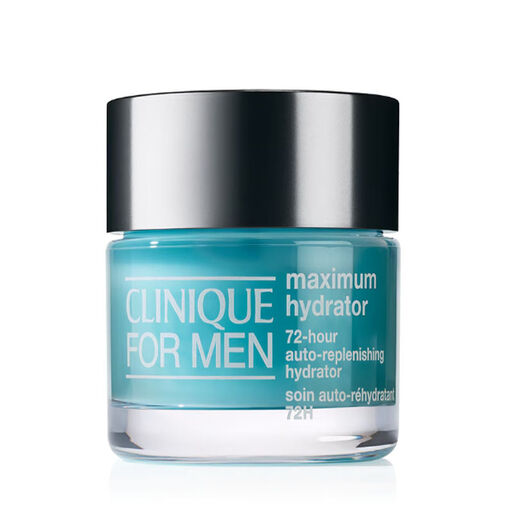
Why this fits the profile: A gel cream for men looking for a light, fragrance-free formula that can also be used after shaving.
The oil-free gel cream is a concrete alternative to heavy creams. The stated hydration duration is a brand claim, not a guarantee for every skin.
50 ml; fragrance-free according to the product data; contains glycerine, hyaluronic acid and an oil-free gel texture.
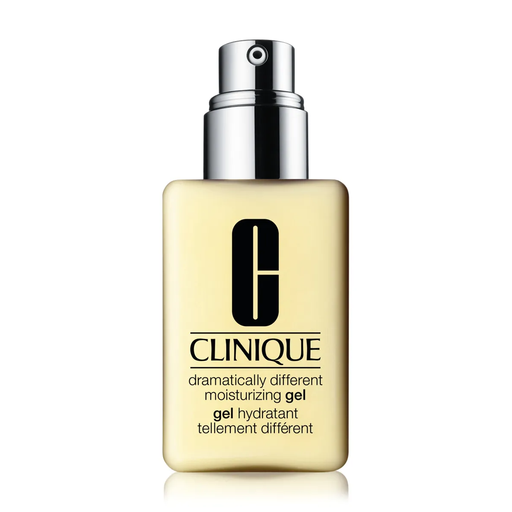
Why this fits the profile: The oil-free gel is intended for oily or combination skin according to the product information and absorbs lightly.
The texture makes the difference visible: you choose a gel instead of a rich cream when a heavy skin feel puts you off.
125 ml; oil-free and fragrance-free according to the product data; aimed at oily or combination skin.
We've put together a full, up-to-date list of products that fully meet these strict selection criteria and comply with current European safety regulations.
That depends on the product and how your skin feels. Many lotions and gel creams are intended for morning and evening. Always follow the label. Apply the cream after cleansing and use a small amount to prevent the skin from feeling sticky.
Look for a fuller formula with glycerine, panthenol, hyaluronic acid ingredients and emollients. A face cream for dry skin doesn't have to be extremely greasy; a lotion can be more comfortable when you want to apply a product quickly.
No. The price doesn't automatically determine whether a formula suits your skin. Compare the ingredients list, volume, fragrance listing, texture and instructions for use. Claims about wrinkles or elasticity should be seen as information from the brand, not as a guaranteed personal result.
