
Vandaag of morgen in huis

Kwaliteit gegarandeerd

Welkomstaanbiedingen ontgrendelen: GRATIS bezorging | Tot 80% korting | Gratis 30 dagen JoyPlus-proefperiode
Download de app
Buying a face cream sounds simple, until you have to choose between a hydrating face cream, anti-ageing cream, Korean skincare cream or a product for sensitive skin. Marketing copy often promises a visible lifting effect, long-lasting hydration or a “healthy glow”. On their own, such terms say little about whether a product is suitable for your skin.
As a Joybuy Product Recommendation Officer, I filter the most important product information in a practical way. This helps you see which specifications matter, which pitfalls to avoid and what type of moisturiser suits your daily skincare routine.
Hyaluronic acid, retinol, peptides, niacinamide and aloe vera receive plenty of attention in adverts. However, the presence of one ingredient does not automatically determine how a cream feels or which skin type it is suitable for. Always look at the full ingredients list, texture and directions for use.
For example, a cream with several types of hyaluronic acid may sound appealing for dry skin, but a rich base containing oils and shea butter may feel less comfortable on oily or combination skin.
Not every moisturising cream is intended for the face. The Sence Bodycream Aloe Vera 200 ml, for example, is a body cream and is described as such. Always use a product according to its stated purpose. A cream for the body, hands or hair is not automatically suitable as a day cream.
Words such as “lifting”, “firming” and “anti-wrinkle” are often product claims made by a brand. According to a brand’s own research or product description, certain ingredients may contribute to the claimed effect, but this does not guarantee the same result for every user.
Also pay attention to the formula. An anti-ageing cream may contain hydrating ingredients, but it does not necessarily provide protection against UV radiation. During the day, a separate sunscreen with a suitable SPF remains important.
First, decide what you need:
A cream for dry skin is therefore not automatically the right choice for everyone. Skin type, season and personal preference all play a part.
The ingredients list, also known as the INCI list, is more important than a short slogan on the front of the packaging. Check the following, among other things:
If you have sensitive skin, it is sensible to try a small amount on a limited area of skin first. Stop using the product if irritation occurs and always follow the warnings on the packaging.
Do not just compare the price of a jar or tube; compare the amount of product too. A 30 ml pack may be suitable for trying a product first, while 100 ml may offer better value for daily use.
Also look out for:
The current ingredients list and safety information on the physical packaging should be treated as definitive, as formulas may change between batches or markets.
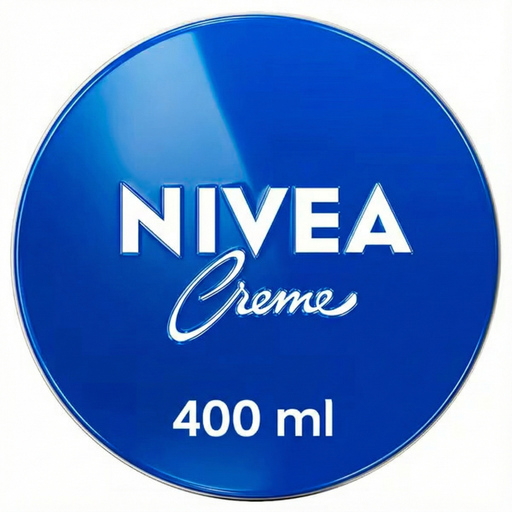
Why it suits this profile: The generous pack is intended for daily use on the face, body and hands. This is practical if you are looking for one versatile moisturiser.
The intended use and amount are clearly stated. However, check the fragrance ingredients if your skin is sensitive to them.
400 ml capacity; suitable for the face and body; contains glycerine and panthenol according to the product information.

Why it suits this profile: The gel cream is intended for different skin types and can be used in the morning, evening or as a short-term mask.
The formula is described as alcohol-free, fragrance-free and non-comedogenic. Check the current packaging when purchasing.
30 ml size; lightweight gel cream; suitable for dry, very dry, combination and oily skin according to the product details.

Why it suits this profile: This Korean skincare cream combines a gel cream texture with five types of hyaluronic acid and can be used as a day or night cream.
The formula and intended use are described clearly. If irritation occurs, the product information advises stopping use.
100 ml capacity; five types of hyaluronic acid; contains ceramide NP, panthenol, beta-glucan and argan oil, among other ingredients.
Cleanse your face first, then apply a small amount of cream. A pea-sized amount is often a useful starting point, but follow the brand’s instructions. When using active ingredients such as retinoids or acids, build up gradually and combine them with sun protection during the day.
A night cream does not necessarily have to be a separate purchase. A richer moisturiser may be sufficient in the evening, while during the day you may prefer a lighter gel cream. Above all, choose a routine you can stick to consistently.
We have compiled a complete, up-to-date list of products that fully meet these strict selection criteria and the applicable European safety regulations.
Most moisturisers are used once or twice a day on cleansed skin. Always follow the instructions on the packaging. If you have sensitive skin, you can start by using it once a day and monitor how your skin reacts.
This varies from product to product. Check the PAO symbol on the packaging, such as 6M or 12M. Store the cream according to the instructions and do not use a product if its smell, colour or texture has clearly changed.
The price depends on the brand, amount, formula and packaging. Therefore, compare the price per millilitre and look at the ingredients that are relevant to your skin. A more expensive product is not automatically more suitable; the right texture and match for your skin type often make a greater difference.
