
Vandaag of morgen in huis

Kwaliteit gegarandeerd

Welkomstaanbiedingen ontgrendelen: GRATIS bezorging | Tot 80% korting | Gratis 30 dagen JoyPlus-proefperiode
Download de app
Buying a face cream seems simple enough – until you have to choose between a hydrating face cream, an anti-ageing face cream, a Korean face cream or a cream for sensitive skin. Marketing jargon doesn't always make it clear which formula actually suits your skin type and daily routine.
Watch out for three common pitfalls:
A face cream with hyaluronic acid contains a moisture-binding ingredient that's common in hydrating formulas. Glycerin works in a similar way as a humectant. These ingredients are particularly useful when your skin feels dry or tight.
For a barrier-repairing cream, look for ceramides, cholesterol, fatty acids, panthenol and soothing oils. Ceramides, for example, feature in The Ceramide Skin Barrier Moisturizer and in the haruharu wonder Black Rice 5 Ceramide Barrier Cream. Always check the current packaging, as ingredients can vary by market or product version.
In an anti-ageing face cream, you'll often see ingredients like niacinamide, peptides, bakuchiol or adenosine. According to brands' own information, these ingredients can help promote a smoother or firmer appearance. That's no guarantee of the same result for every user. Expect a cream to provide care and hydration; a cosmetic product is no substitute for dermatological advice.
A 50 ml pot and a 60 ml tube might look similar, but usage differs depending on how much you apply. A cream you use morning and night will run out faster than one you only use as a night cream. So check:
Apply a day cream after cleansing and any serums. Use a separate sun protection product during the day if you're spending a long time outdoors or if the protection from your day cream doesn't match your needs.
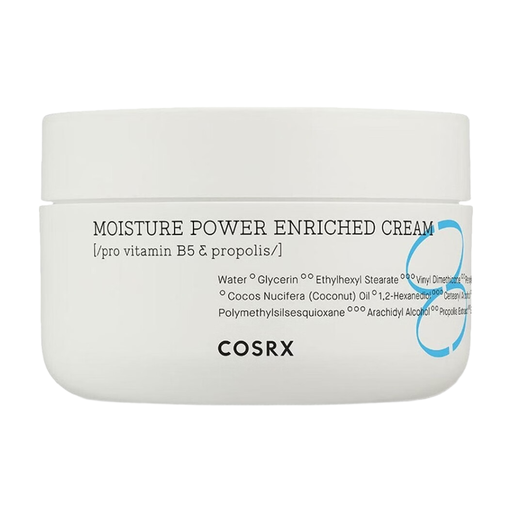
Why it fits this profile: A straightforward choice for anyone looking for a daily cream for dry or sensitive skin without a complicated routine.
The product description lists glycerin, hyaluronic acid, panthenol and ceramide NP. This means you can base your choice on real ingredients rather than just marketing speak.
50 ml; described as a rich but fast-absorbing texture; suitable for morning and evening use.
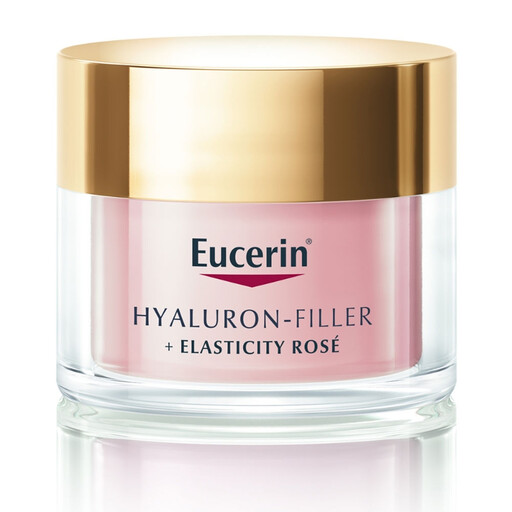
Why it fits this profile: Ideal for anyone wanting a day cream with SPF30 and a subtle pink tint for their morning routine.
The product specs clearly state SPF30, 50 ml and a pink tint. So you know upfront that this isn't just a neutral cream, but a tinted day formula.
Day cream for the face; SPF30; according to the product information, dermatologically tested and suitable for all skin types and sensitive skin.

Why it fits this profile: Suitable for users who are specifically looking for a barrier-repairing cream with multiple ceramides and hyaluronic acid.
The ingredients list includes ceramide NP, NS, AP, AS and EOP, alongside cholesterol, panthenol and various forms of hyaluronic acid.
80 ml; according to the product information, hypoallergenic, non-comedogenic and dermatologically tested; use in the morning and evening.
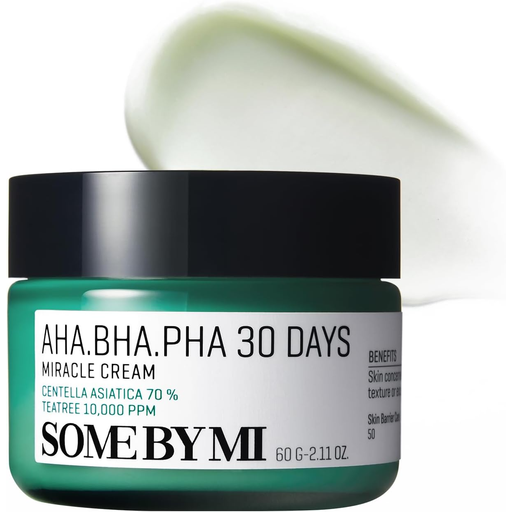
Why it fits this profile: A Korean face cream for anyone looking for a routine with multiple plant extracts and exfoliating ingredients.
The formula lists AHA, BHA and PHA. This makes it clear that daily use requires extra attention to sun protection. A patch test is recommended.
60 ml; contains centella asiatica, niacinamide, ceramide NP and sodium hyaluronate, among others; designed for combination and acne-prone skin according to the product information.
We've put together a full, up-to-date list of products that fully meet these strict selection criteria and comply with current European safety regulations.
It depends on the formula and your skin. Most hydrating face creams are designed for once or twice daily use. First cleanse your skin, apply a serum if you like, then apply a small amount of cream to your face and neck. Always follow the usage instructions on the packaging.
Check the expiry date and the symbol for the period after opening on the packaging. Store the cream in a cool, dry place away from direct sunlight. A change in smell, colour or texture could be a reason to stop using the product. A pot can become contaminated more quickly through repeated contact with fingers than a pump bottle or tube.
Look for a fragrance-free formula if you're sensitive to it, and watch out for essential oils. Products with ceramides, glycerin or panthenol can be useful for daily hydration. Patch-test a new cream on a small area of skin first, and stop if you experience redness, itching or a burning sensation. If symptoms persist, it's wise to seek advice from a healthcare professional.
