
Vandaag of morgen in huis

Kwaliteit gegarandeerd

Welkomstaanbiedingen ontgrendelen: GRATIS bezorging | Tot 80% korting | Gratis 30 dagen JoyPlus-proefperiode
Download de app
Choosing a new face cream might seem straightforward, until you have to decide between a hydrating moisturiser, a Korean face cream, a cream for dry skin, or a formula for sensitive or acne-prone skin. Marketing copy quickly promises a radiant complexion, repair and a youthful look. Such claims aren’t automatically a guarantee for your skin.
So focus on verifiable information: the ingredients list, size, texture, instructions for use and warnings. That way, you’ll avoid buying an expensive cream that turns out to be too rich, too light, or unsuitable for your skin type.
A hyaluronic acid cream may contain moisture-binding ingredients, but that doesn’t mean every formula feels the same. The overall composition determines whether a cream is light, gel-like, rich or occlusive. So don’t just look at one popular ingredient – also check for glycerine, oils, butters, silicones, ceramides and fragrance.
A product that the description says is suitable for all skin types can still feel different on oily, dry or sensitive skin. A rich barrier-repair cream can be comforting when your skin feels tight, but less suitable if you’re after a light texture.
A brightening cream, niacinamide cream or anti-ageing cream may combine several active ingredients. Think niacinamide, tranexamic acid, retinal or vitamin C. If you have sensitive skin, start with a small amount and don’t use several new active products at once. With products containing acids or certain pigment-targeting ingredients, sun protection during the day is important. Stop if irritation occurs and always follow the label.
Check the full INCI list on the product page or packaging. Beauty of Joseon Dynasty Cream, for example, lists niacinamide, sodium hyaluronate, panthenol and ceramide NP. Isntree Hyaluronic Acid Moist Cream contains, according to the product information, five types of hyaluronic acid and, among others, panthenol, beta-glucan and ceramide NP.
For sensitive skin, fragrances are especially important to check. The NIVEA Moisturizing Cream contains, according to the product description, among others, limonene, geraniol, benzyl benzoate and parfum. That doesn’t make the cream unsuitable by definition, but it’s relevant information for anyone who reacts sensitively to fragrances.
Don’t just compare the price – also compare the size. A 100 ml pot can be better value per millilitre than a 50 ml pot, while a small pack is handy for trying it out first. Also pay attention to:
A body cream isn’t automatically suitable for the face. The Sence Bodycream Aloe Vera 200 ml is, according to the product data, a body cream. The NIVEA Moisturizing Cream Blue Tin 400 ml is, according to the product description, intended for face and body, but does contain fragrance and fragrance allergens. So use a product on the area stated on the packaging and product page.
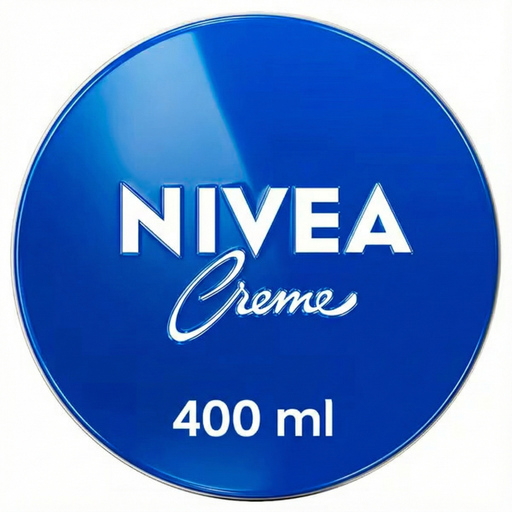
Why this fits the profile: The large size is practical for daily use on face, hands and body. According to the product description, the formula contains panthenol and is intended for dry and sensitive skin.
The product information clearly states the size, uses and ingredients, including fragrance and fragrance allergens. This means you can check in advance whether it suits your preferences.
400 ml size; suitable for face and body according to the product description; panthenol in the ingredients list.

Why this fits the profile: This Korean face cream suits anyone looking for a daily moisturiser with multiple moisture-binding ingredients and a gel-cream texture.
The formula lists five types of hyaluronic acid and a 100 ml size. You can therefore compare the composition concretely, rather than just relying on “deep hydration”.
Five types of hyaluronic acid; argan and apricot oils; suitable according to the product information for dry, normal and mature skin.
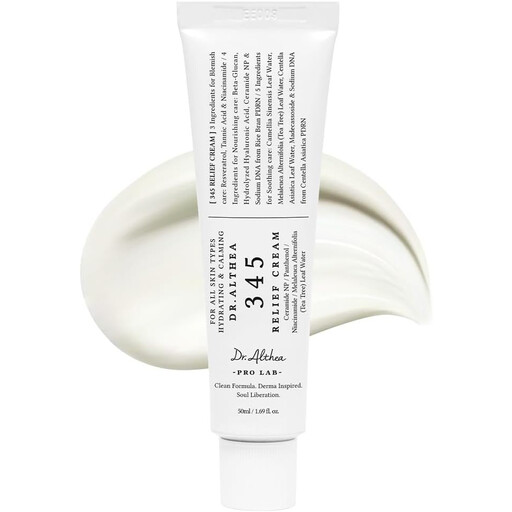
Why this fits the profile: This Korean moisturiser is aimed at users who want a formula with niacinamide, ceramide NP and hyaluronic acid, and who take acne-prone skin into account.
According to the product information, the cream has been clinically tested for non-comedogenic properties. This is a brand claim, not a personal guarantee; if in doubt, do a patch test first.
Niacinamide, ceramide NP and hyaluronic acid in the ingredients list; product description states no artificial colourants, fragrance or parabens.
We’ve put together a full, up-to-date list of products that fully meet these strict selection criteria and comply with current European safety regulations.
That depends on the product instructions and your skin’s needs. Many moisturisers are used after cleansing in the morning and evening. Start with a small amount; more cream doesn’t automatically mean more hydration. Use sunscreen during the day if the product information advises it, or if you’re using active ingredients.
Check the jar symbol on the packaging, the expiry date and the information on the product page. Isntree, for example, states that the product should be used within six months of opening. Store a cream closed, in a cool place and away from direct sunlight. If the smell, colour or texture clearly changes, stop using the product.
Sometimes yes, if the packaging states both areas of use. The NIVEA Moisturizing Cream Blue Tin is, according to the product data, intended for face and body. A body cream, such as Sence Bodycream Aloe Vera, is, according to the product information, specifically a product for the body. Also check fragrance and other ingredients before using a cream on your face.
