
Vandaag of morgen in huis

Kwaliteit gegarandeerd

Welkomstaanbiedingen ontgrendelen: GRATIS bezorging | Tot 80% korting | Gratis 30 dagen JoyPlus-proefperiode
Download de app
Buying a new face cream may seem simple, but the sheer range of options can make comparing products difficult. Are you looking for a moisturising face cream, an anti-ageing cream or a soothing cream for sensitive skin? Attractive packaging or a long ingredients list is not enough. The right choice mainly depends on your skin type, the texture you prefer and the active ingredients.
Words such as “repairing”, “firming” and “radiant” sound appealing. However, they do not always tell you how much of an ingredient has been added, how to use the product or which skin type it is intended for. According to a brand’s own research, certain ingredients may contribute to a particular appearance or feeling of the skin, but this does not guarantee the same result for every user.
So start by checking verifiable information:
A cream for dry skin often contains oils, shea butter or other emollient ingredients. This can feel comfortable on dry skin, but a heavy texture may feel less pleasant if your skin becomes shiny quickly or is prone to blemishes. For combination or oily skin, a lightweight, fast-absorbing formula is often more practical.
An anti-ageing cream with glycolic acid, or a cream containing AHA, BHA and PHA, may be appealing if you are looking for exfoliation. At the same time, acids can increase sensitivity to sunlight. Do not combine several intensive products straight away. Introduce them gradually, follow the instructions on the packaging and use sun protection during the day where recommended.
For dry skin, glycerine, hyaluronic acid, squalane, shea butter and ceramides are sensible ingredients to look out for. They are often used in creams for dry skin or creams designed to support the skin barrier.
For sensitive skin, a simple formula is usually easier to assess. Look out for fragrance, essential oils and known allergens. A face cream for sensitive skin is not automatically suitable for everyone. Test a new product on a small area of skin first and stop using it if irritation occurs.
For combination or blemish-prone skin, a lighter texture and ingredients such as niacinamide or panthenol may be appealing. Some products also contain tea tree or exfoliating acids. If so, check the warnings particularly carefully.
The order of ingredients on the list generally indicates their quantity, but it does not tell you everything about the final results. A shorter list is not automatically better, and a longer list is not necessarily more effective.
A face day cream should fit into your routine. A lightweight cream is useful under make-up or sun protection. A richer cream may feel more comfortable in the evening or on dry skin. Use the cream as the final step in your skincare routine unless the packaging says otherwise.
The packaging is also worth considering. A tube is practical and limits contact with the contents. A jar can make dispensing easy, but use clean hands. Always check the expiry information and the open-jar symbol showing the period after opening on the packaging.
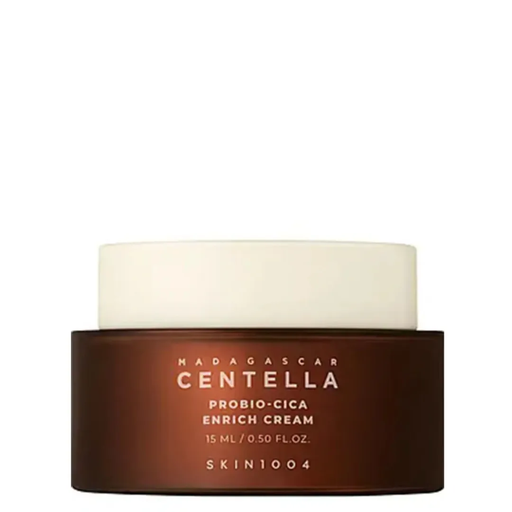
Why it suits this profile: The compact size is suitable if you want to try a Korean skincare cream first or need a small pack for travelling.
You do not have to buy a large pack straight away. However, check the current ingredients and warnings on the product page.
15 ml; according to the product information, contains glycerine, niacinamide, ceramide NP and centella asiatica.
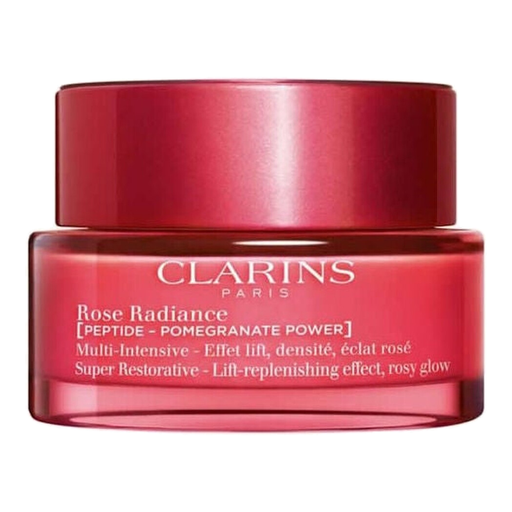
Why it suits this profile: According to the product description, this cream was developed for mature and menopausal skin and has a rich, enveloping texture.
The target audience and texture are clearly described. Bear fragrance in mind if you are sensitive to it.
50 ml; the product information lists harungana, peptides, pomegranate extract and 93% ingredients of natural origin.
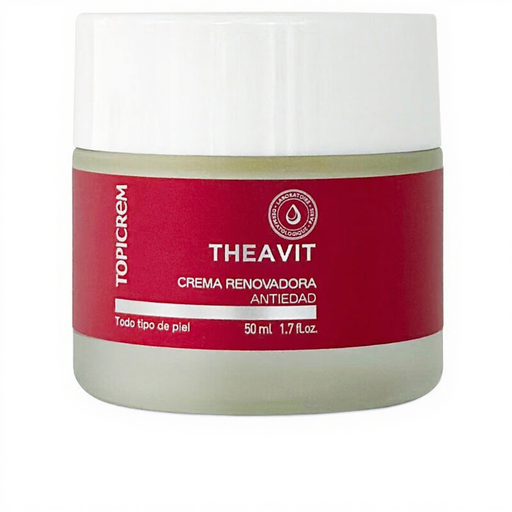
Why it suits this profile: If you are specifically looking for an anti-ageing cream with an exfoliating ingredient, you may wish to consider this glycolic acid formula.
The presence of glycolic acid is clearly stated. This helps prevent you from accidentally treating an exfoliating product like a simple basic cream.
50 ml; according to the product information, lightweight in texture, fragrance-free and dermatologically tested.
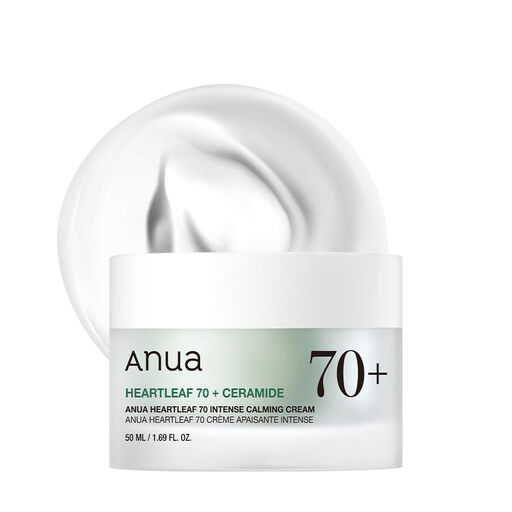
Why it suits this profile: The fragrance-free formula is worth considering if you are looking for a soothing cream with a relatively straightforward choice of ingredients.
The product information explicitly states that it is fragrance-free. Nevertheless, check the full INCI list and patch-test the product if you have reactive skin.
50 ml; according to the ingredients list, contains heartleaf, glycerine, panthenol and ceramide NP.
We have put together a complete, up-to-date list of products that fully meet these strict selection criteria and the applicable European safety regulations.
Most moisturisers can be used daily, usually after cleansing. Apply a suitable amount to your face and, if desired, your neck. Always follow the instructions on the packaging. With a cream containing acids or other active ingredients, it may be wiser to start by using it less frequently.
Check the expiry date and the open-jar symbol showing the period after opening on the packaging. Store the cream in a cool, dry place away from direct sunlight. If the scent, colour or texture changes noticeably, stop using the product.
Look for a simple formula and be aware of fragrance, essential oils and known allergens. A face cream for sensitive skin may contain ingredients such as glycerine, panthenol and ceramides. “Vegan”, “natural” or “dermatologically tested” does not, in itself, mean that a product is suitable for every sensitive skin type. So patch-test it on a small area of skin first and stop using it if irritation occurs.
