
Vandaag of morgen in huis

Kwaliteit gegarandeerd

Welkomstaanbiedingen ontgrendelen: GRATIS bezorging | Tot 80% korting | Gratis 30 dagen JoyPlus-proefperiode
Download de app
A face cream may seem like a straightforward purchase, but products vary considerably in texture, ingredients, size and when they should be used. A rich cream can feel comfortable on dry skin, yet too heavy on oily skin. A product with a radiant finish may also offer more colour correction than skincare.
With this guide, you can compare face creams using verifiable product information. This helps you avoid relying solely on terms such as “intensive”, “glow” or “anti-ageing”.
Not every product with “cream” in its name is a classic moisturiser. The 3CE Bare Face Cream 40 ml is identified as a BB Cream in the product information. According to the description, it offers light coverage, evens out the complexion and helps the skin feel hydrated. If you are mainly looking for a hydrating face cream, check whether the product is intended as the final step in your skincare routine or as a make-up base.
A hyaluronic acid cream can attract moisture, but the overall formula determines how the cream feels on your skin. Also look at glycerine, oils, silicones, ceramides and the texture. A product containing several forms of hyaluronic acid is not automatically suitable for every skin type.
Brands sometimes describe effects such as firmer-looking skin, less visible lines or a more even complexion. Read this information as a product claim made by the brand, rather than as a guaranteed result. According to the brand’s own research, certain ingredients may have particular properties, but individual skin reactions vary. Stop using the product if irritation occurs.
A cream designed to support the skin barrier often contains ingredients such as ceramide NP, cholesterol, panthenol or fatty acids. This does not mean that the product is a medical treatment. However, it does provide an objective indication for anyone looking for a supportive, nourishing formula.
With a brightening face cream, you will often see niacinamide, liquorice extract, vitamin C derivatives or other ingredients that, according to the product description, are intended to promote a more even-looking complexion. Always use separate sun protection during the day when this is recommended on the label.
Product sizes range from approximately 40 to 100 ml. A larger pack is not always better value if you only use the product occasionally. Also check the expiry date and the period after opening indicated on the packaging.
A day cream for the face may have a lighter texture and work well under make-up. A night cream for the face can be richer, as you do not need to consider make-up or a shiny finish. A day cream does not replace sun cream unless the product explicitly states a suitable SPF and provides usage instructions.

Why it suits this profile: The gel texture is practical for everyday use and, according to the product information, is intended for oily, combination or dehydrated skin.
The lightweight gel helps you avoid choosing a heavy cream for oily skin. The product information states that it contains 100 ml and can be used in the morning and evening.
Lightweight gel cream, 100 ml and, according to the product details, intended to hydrate the skin and care for pores.
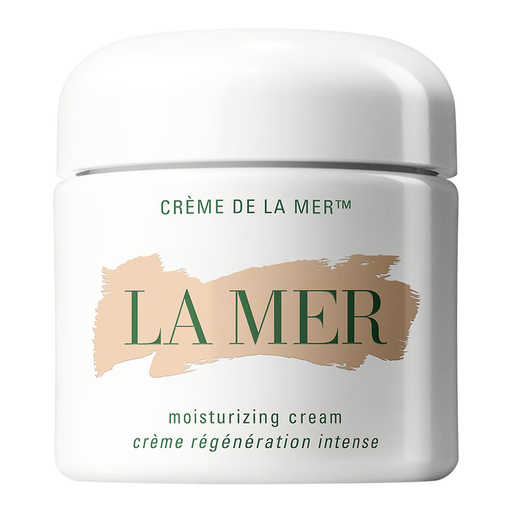
Why it suits this profile: The rich texture and 100 ml pot are well suited to anyone looking for a luxurious skincare routine for dry skin.
The product description makes it clear that this is a rich cream for dry skin. This makes the choice of texture more transparent than with a generally formulated cream.
100 ml size, rich cream and ingredients such as glycerine, mineral oil and petrolatum, according to the product details provided.
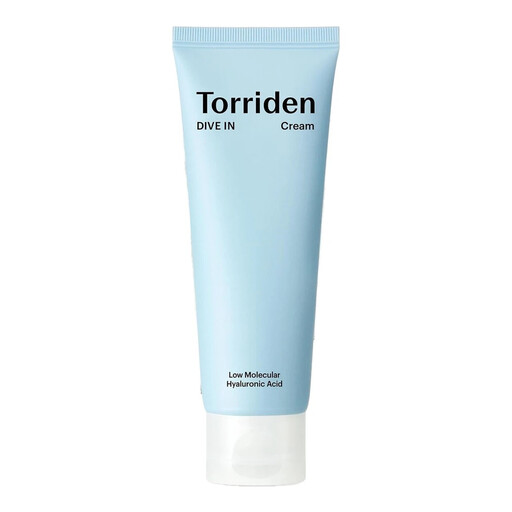
Why it suits this profile: The cream is intended as the final step in a daily routine and combines a lightweight texture with several forms of hyaluronic acid.
The ingredients list is available and includes sodium hyaluronate, hydrolyzed hyaluronic acid and ceramide NP, among others. Check the current packaging when purchasing.
80 ml size, several forms of hyaluronic acid and a formula containing glycerine, jojoba oil and ceramide NP, among other ingredients.
We have put together a complete, up-to-date list of products that fully meet these strict selection criteria and the applicable European safety regulations.
This depends on the product and your routine. Many face creams are intended for use once or twice a day, after cleansing and, if applicable, applying a serum. Always follow the instructions on the packaging. Apply sun protection during the day when the formula or your routine calls for it.
Check the expiry date and the symbol indicating the period after opening. Store the cream in a cool, dry place away from direct sunlight. A change in smell, colour or texture may be a reason to stop using the product. The packaging for the specific product remains the most authoritative source.
Do not look only at the “hypoallergenic” label. Check the ingredients for perfume, essential oils and substances to which you have previously reacted sensitively. Choose a simple formula, test a small amount first and stop using it if you experience redness, a burning sensation, itching or swelling. If symptoms persist, seek medical advice.
