
Vandaag of morgen in huis

Kwaliteit gegarandeerd

Welkomstaanbiedingen ontgrendelen: GRATIS bezorging | Tot 80% korting | Gratis 30 dagen JoyPlus-proefperiode
Download de app
A new face cream may seem simple to choose, until you are faced with dozens of jars and tubes. One promises a smoother appearance, another long-lasting hydration or a stronger skin barrier. Yet a striking claim means little if the texture does not suit your skin type or the ingredients do not fit into your routine.
So pay particular attention to three common pitfalls:
First, choose according to your everyday needs:
For hydration, glycerine, betaine, panthenol and hyaluronic acid are commonly used ingredients. Ceramide NP, cholesterol and fatty substances are often found in a barrier-repair cream. In this context, the term “repairing” should be understood as a description of the product’s caring function or brand positioning, not as a medical claim.
If you are interested in a niacinamide cream, look for formulas in which niacinamide appears higher up the ingredients list. According to the product information, Beauty of Joseon Dynasty Cream contains niacinamide, sodium hyaluronate, panthenol and ceramide-like caring ingredients, among others. With active formulas, such as an anti-ageing face cream containing retinal or vitamin C, it is sensible to introduce them gradually.
Do not compare the price alone, but also check the contents: 30 ml, 50 ml, 55 g and 100 ml are not directly equivalent. A jar may seem good value, but a lightweight gel cream is sometimes applied more generously than a concentrated cream.
Also check:
If you have sensitive skin, preferably carry out a small test on a limited area of skin first. Stop using the product if irritation occurs and follow the instructions on the packaging.
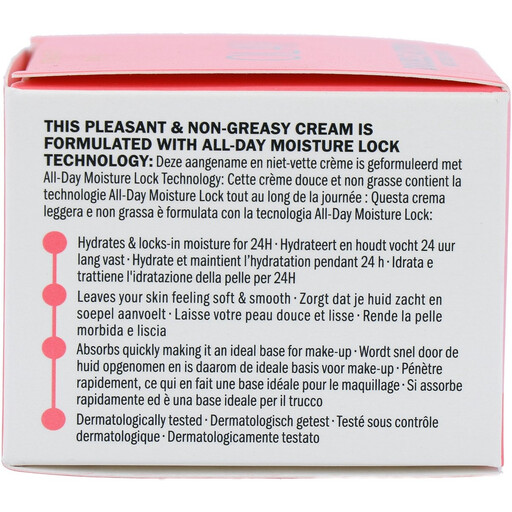
Why it suits this profile: According to the product description, this face day cream is intended for normal to dry skin and can also be used as a base under make-up. This makes it practical for a simple routine.
The skin-type indication and use as a primer make the choice clearer than a formula featuring numerous separate active claims.
50 ml, lightweight formula according to the product information, suitable for everyday use and as a make-up base.
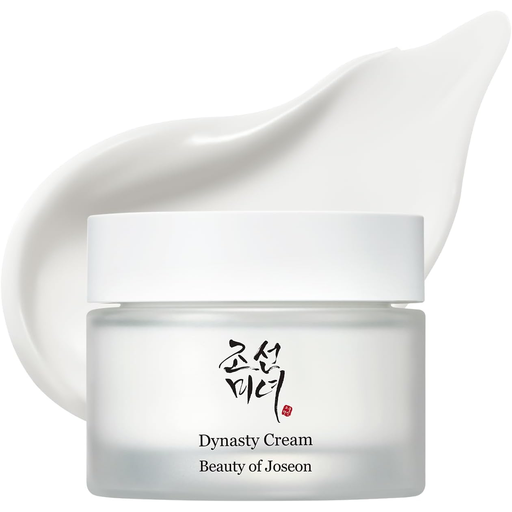
Why it suits this profile: This Korean face cream has a creamy formula containing niacinamide, glycerine, panthenol and sodium hyaluronate, among other ingredients. The 100 ml size is practical for regular use.
The ingredients list is available, allowing you to compare the formula rather than relying solely on terms such as “glow” or “nourishing”.
100 ml, fragrance-free according to the product details, with several hydrating and caring ingredients.

Why it suits this profile: According to the product information, this gel cream is suitable for dry, very dry, combination and oily skin. The formula can also be used as an intensive treatment or a short mask.
You get several ways to use it without immediately having to buy a separate day and night cream.
30 ml, gel cream texture, fragrance-free according to the product details and non-comedogenic according to the brand’s description.

Why it suits this profile: According to the product description, this face moisturiser combines five types of hyaluronic acid with argan and apricot oils. The gel cream can be used as an everyday moisturiser or night cream.
The combination of several humectants and oils makes the choice more straightforward if comfort and hydration are your main priorities.
100 ml, five types of hyaluronic acid according to the product information, plus ceramide NP, panthenol and beta-glucan in the ingredients list.
We have put together a complete, up-to-date list of products that fully meet these strict selection criteria and the applicable European safety regulations.
That depends on the product instructions and how your skin feels. Many creams are used morning and evening on a cleansed face. Start with a small amount, for example a pea-sized quantity, and only apply more if your skin needs it.
A face day cream is usually intended for daytime use and may have additional features, such as a texture that works well under make-up. “Face moisturiser” is a broader term for a product that cares for the skin and helps it retain moisture. Always check whether it contains an SPF; otherwise, you may need separate sun protection during the day.
Follow the best-before date and the open-jar symbol on the packaging. Store the cream in a cool, dry place away from direct sunlight. A change in smell, colour or texture may be a reason to stop using the product. The information on the current packaging takes precedence, as ingredients and packaging details may change between production batches.
