
Vandaag of morgen in huis

Kwaliteit gegarandeerd

Welkomstaanbiedingen ontgrendelen: GRATIS bezorging | Tot 80% korting | Gratis 30 dagen JoyPlus-proefperiode
Download de app
Choosing a face cream might seem simple, but there’s a lot of choice. Are you mainly looking for hydration, a more even-looking complexion, relief from dryness or a lightweight texture under make-up? It’s important to look beyond terms such as “glow”, “lifting” or “brightening”.
The three most common pitfalls:
Don’t just look at the product name; check the description and ingredients list too.
A product described as suitable for all skin types won’t necessarily feel comfortable for everyone. Your personal tolerance and the finish you prefer still matter.
A hydrating face cream is primarily designed to help retain moisture and support a comfortable feeling on the skin. If you’re looking for something more specific, you could look for:
According to brands’ product information, these ingredients may help support certain cosmetic goals. This is not a guarantee of individual results. If you have ongoing skin concerns or severe irritation, it’s wiser to seek advice from a doctor or dermatologist than to keep switching products.
Compare the volume in millilitres with how often you’ll use the product. A 50 ml jar and a 75 ml tube aren’t directly comparable on price alone. Also check:
Sun protection is particularly relevant when using retinol products, according to the accompanying product information. Don’t use retinol on damaged skin, and don’t combine it with other potent active products without checking first.
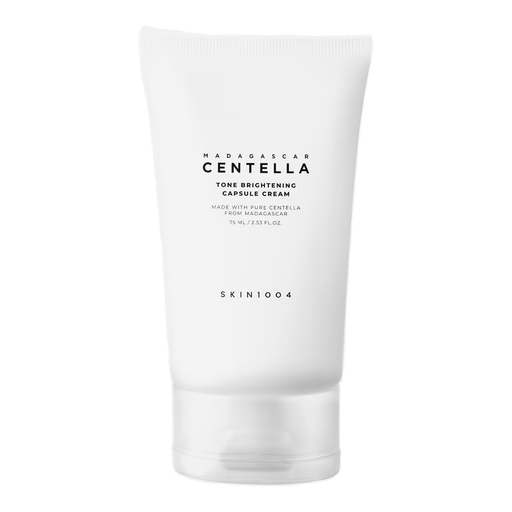
Why it suits this profile: The lightweight 75 ml gel cream is practical for everyday use and suits anyone looking to combine hydration with a more even-looking complexion, without a heavy texture.
The product information lists a fragrance-free, alcohol-free formula with 60% Centella Asiatica extract, niacinamide and tranexamic acid. Always check the current packaging, though.
75 ml; lightweight texture; contains panthenol, squalane and sodium hyaluronate according to the ingredients list.
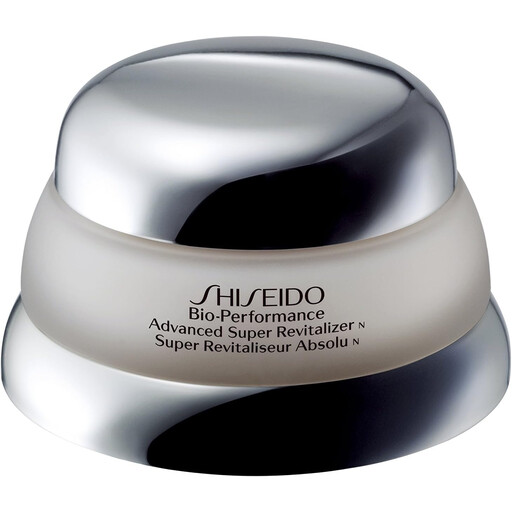
Why it suits this profile: This premium face cream is for shoppers who value a luxurious skincare routine and a richer cream texture.
This choice is based on the product type and 50 ml size, rather than unsubstantiated claims about results. Check the current ingredients, price and directions before buying.
50 ml; luxurious positioning; suited to shoppers looking for a comprehensive daily skincare routine.
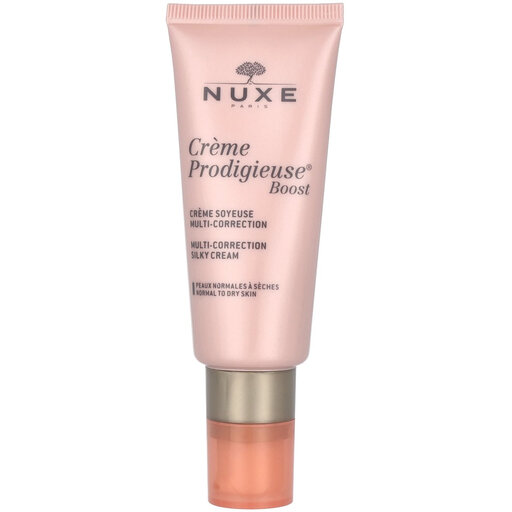
Why it suits this profile: The product description highlights a lightweight, silky texture for everyday use in the morning and/or evening.
The focus is on texture and when to use it, rather than an absolute anti-ageing promise. Check the ingredients if you want to avoid fragrance or specific substances.
40 ml; lightweight texture according to the product description; designed for all skin types and everyday use.
We’ve put together a complete, up-to-date list of products that meet these strict selection criteria and comply with current European safety regulations.
Start by checking the ingredients list and choose a formula without anything that has irritated your skin before. Some creams for sensitive skin are fragrance-free or alcohol-free, but always check the current packaging. Test a new product on a small area of skin before using it all over.
For most everyday moisturisers, applying once in the morning and/or evening, as directed on the product, is standard. Apply the cream to clean skin. During the day, follow with sunscreen if it suits your routine, especially when using formulas containing retinol or other active ingredients.
The shelf life is shown on the packaging. Check the expiry date or the period after opening. Close the packaging tightly and store the cream in a cool, dry place away from direct sunlight. Has the smell, colour or texture changed? Stop using it and check the product information.
