
Vandaag of morgen in huis

Kwaliteit gegarandeerd

Welkomstaanbiedingen ontgrendelen: GRATIS bezorging | Tot 80% korting | Gratis 30 dagen JoyPlus-proefperiode
Download de app
Choosing a new face cream might seem straightforward – until you have to decide between a hydrating face cream, a ceramide cream, a Korean face cream or an anti-ageing cream. Marketing copy often lists a long line of ingredients and promises a firmer, calmer or more radiant complexion. In reality, it’s less simple: a product can feel lovely on the skin, yet still not suit your skin type or daily routine.
With these checkpoints, you can avoid a bad buy and make a more informed choice based on ingredients, texture, packaging and usage.
More ingredients don’t automatically mean a cream is better for you. Instead, look at the combination of humectants, emollients and barrier-supporting ingredients.
Always check the full ingredient list on the product page and packaging. A brand claim about “repair”, “lifting” or “anti-ageing” is no guarantee of a specific result. According to a brand’s own research, certain effects may be reported, but you shouldn’t take them as established fact.
A cream may be described as suitable for sensitive skin, yet still contain fragrances or essential oils. For example, Dear, Klairs Rich Moist Soothing Cream lists lemon, lavender, orange, geranium, ylang ylang and eucalyptus oil. That could be relevant if you prefer to avoid perfume or essential oils.
So don’t just read “soothing” or “sensitive” on the front. Look in the ingredient list for parfum, fragrance, limonene, linalool, geraniol and citral. If you have reactive skin, a small patch test is wise. Stop using the product if you experience redness, itching, swelling or irritation.
Many creams for hydration, firming or anti-ageing contain no SPF. According to the product information, this is the case for Dr.Jart+ PRJV Firming Cream, for example. A day cream without SPF does not automatically protect against UV radiation. Use a separate sunscreen during the day if that fits your routine.
For a dry skin, a richer cream with shea butter, squalane, oils or ceramides may be more comfortable. An oily or combination skin might prefer a gel cream with a lighter finish. The Beauty of Joseon Red Bean Hydrating Gel Cream is specifically described in the product information as a gel cream for oily skin.
Also consider the season. In winter, a nourishing cream can feel nicer, while in a warm British summer you might prefer a thinner layer.
First, choose your main need, then look for suitable ingredients:
A hyaluronic acid cream can bind moisture to the skin, but the result also depends on the rest of the formula and the amount you apply. If you have dry skin, you might use a serum or toner first and then finish with a cream.
A 100 ml pot might seem better value than a 50 ml tube, but pay attention to the amount you use and the shelf life after opening. Look on the packaging for the period-after-opening symbol, such as 6M or 12M, and check the batch and expiry date.
A pump bottle limits contact with air and fingers. With a pot, hygiene is more important: wash your hands before taking out the product and close the pot immediately after use.

Why this suits the profile: The gel texture and 100 ml volume are practical for daily use, especially if you’re looking for a light Korean face cream.
The product information clearly states the light gel structure and the intended skin type, so you don’t have to rely solely on a general “hydrating” claim.
100 ml, gel cream texture and, according to the product information, aimed at oily or combination skin.
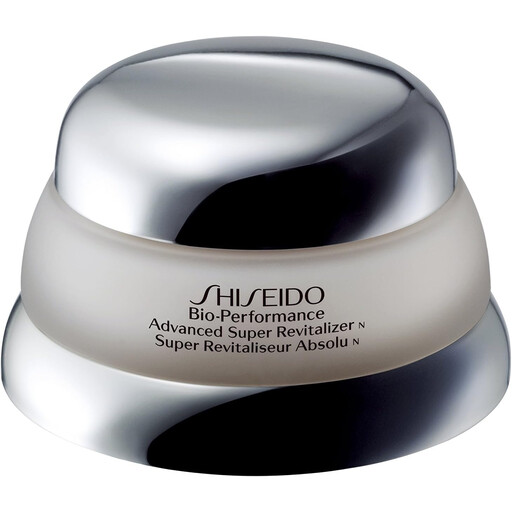
Why this suits the profile: A shopper who is mainly looking for a luxury skincare routine and a compact 50 ml volume can compare this formula alongside other premium face creams.
The choice is based on product type and volume, not on unproven results. Always check the current ingredients and usage instructions before purchasing.
50 ml and a position within the Future Solution LX skincare line.
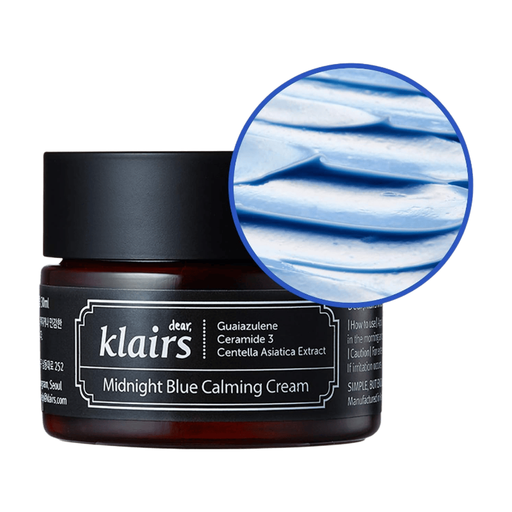
Why this suits the profile: According to the product description, this small cream is intended as the final step in your evening routine and for spot application on areas that need extra care.
The application is clearly defined: a small amount, applied locally and as the last evening step. The formula is fragrance-free but contains various oils, so check your personal tolerance.
30 g, fragrance-free formula according to the product information, with centella asiatica, guaiazulene and Ceramide NP.
We’ve put together a full, up-to-date list of products that fully meet these strict selection criteria and comply with current European safety regulations.
An anti-ageing cream, exfoliating formula with glycolic acid or a cream with a high concentration of niacinamide requires extra attention. Build up usage gradually and don’t combine several intensive products straight away.
That depends on the formula and your skin type. Many hydrating face creams are intended for morning and evening use. Start with once a day if your skin reacts quickly. Always follow the usage instructions on the packaging.
Check the expiry date and the shelf life after opening. The exact period varies per product. Store the cream in a cool, dry place away from direct sunlight, and close the packaging tightly. If the smell, colour or texture changes significantly, stop using the product.
No, a serum is not essential. A face cream can be sufficient on its own for daily hydration. You can add a serum if you’re looking for a specific texture or ingredient, but keep your routine simple to avoid irritation and unnecessary expense.
