
Vandaag of morgen in huis

Kwaliteit gegarandeerd

Welkomstaanbiedingen ontgrendelen: GRATIS bezorging | Tot 80% korting | Gratis 30 dagen JoyPlus-proefperiode
Download de app
A face cream may feel pleasant on the skin, but that does not automatically mean the formula is right for you. A rich cream can feel comfortable on dry skin, while the same texture may feel heavy on oily skin. Terms such as “24-hour hydration”, “anti-ageing” and “skin barrier” only become meaningful when you look at the ingredients, texture and directions for use.
Brands often use terms such as “fills in wrinkles”, “regulates sebum” or “restores the skin barrier”. These are not universal guarantees. According to a brand’s own research or the product description, certain ingredients may contribute to a particular skin experience, but results vary from person to person.
So pay particular attention to information that can be checked:
A cream with hyaluronic acid is not automatically suitable for every skin type. The complete formula determines whether a product feels light, nourishing, greasy, fragranced or potentially irritating. A cream with hyaluronic acid, for example, may also contain oils, silicones or butters.
If you have sensitive skin, it is sensible to check the full ingredients list. “Natural”, “clean” or “Korean” does not automatically mean fragrance-free or suitable for every user.
Dry skin often benefits more from a nourishing cream containing ingredients such as shea butter, jojoba oil or skin-identical lipids. Oily or combination skin may respond better to a gel cream for oily skin, as this generally feels lighter.
If you wear make-up, a fast-absorbing day face cream may be more practical. In the evening, you can use a richer formula, provided it does not feel uncomfortably heavy.
Start by considering your main concern rather than your age or a popular trend.
Glycerine, betaine and hyaluronic acid help attract and retain moisture. Ceramides, cholesterol and fatty acids are found in formulas that focus on the skin barrier. Panthenol, allantoin and centella asiatica are often used in soothing skincare.
When using active ingredients such as niacinamide, tranexamic acid, vitamin A or exfoliating acids, it is sensible to introduce them gradually. Stop using the product if irritation persists and consult a doctor or dermatologist in the event of severe symptoms. Use sun protection during the day when advised in the product information.
Do not compare only the price of a jar or tube. A 30 ml pack may work out more expensive per use than a product containing 80 or 100 ml. Also check:
If you have sensitive skin, test a small amount on a limited area of skin first. Check the current packaging before buying, as ingredients may vary by production batch or market.
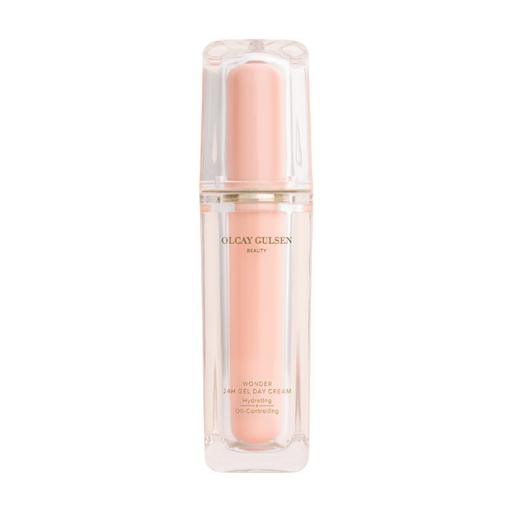
Why it suits this profile: The lightweight gel texture is intended for sensitive, oily, combination and blemish-prone skin types. The 30 ml size is convenient if you want to try a formula first.
The product description explicitly mentions a lightweight formula that does not feel heavy or greasy. However, check the full ingredients list if you want to avoid fragrance or certain plant extracts.
The product description lists niacinamide, hyaluronic acid and panthenol. The gel cream is intended for daily use.
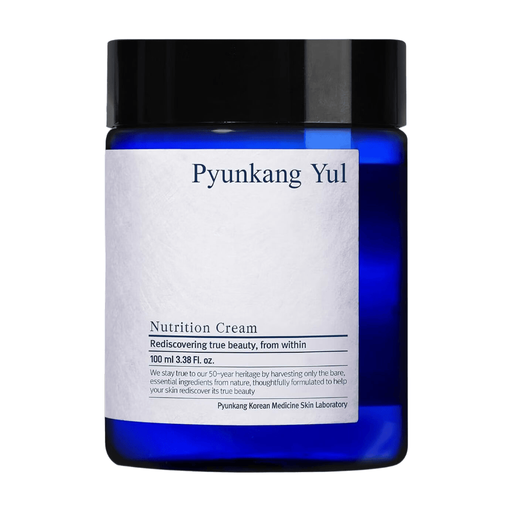
Why it suits this profile: This Korean face cream has a rich 100 ml formula for anyone looking for more intensive nourishment, for example with dry or mature skin.
The product information lists shea butter, jojoba oil and astragalus root extract, and describes the texture as nourishing without leaving a heavy residue. If you have allergies, always check the label.
100 ml contents; according to the product description, fragrance-free and suitable as the final step in your routine, morning and evening.
We have compiled a complete, up-to-date list of products that fully meet these strict selection criteria and the applicable European safety regulations.
Look for a cream containing glycerine, hyaluronic acid, shea butter, jojoba oil, ceramides or squalane. A cream for dry skin can be richer, particularly in the evening. If your skin feels tight after application, a lighter gel cream may not provide enough occlusion.
This depends on the formula and your routine. Many products are intended for use morning and evening after cleansing. Apply a small amount to your skin and add sun protection during the day when your routine or the product information calls for it.
Always follow the expiry date and the information on the packaging. Once opened, the recommended period of use may vary. Store the jar or tube somewhere cool and dry, away from direct sunlight. If the scent, colour or texture changes noticeably, stop using the product.
