
Vandaag of morgen in huis

Kwaliteit gegarandeerd

Welkomstaanbiedingen ontgrendelen: GRATIS bezorging | Tot 80% korting | Gratis 30 dagen JoyPlus-proefperiode
Download de app
Buying a face cream seems simple, until you have to choose between a moisturising face cream, day cream, night cream or a formula for sensitive skin. Marketing terms such as “intensive care”, “glow” and “anti-ageing” do not always explain how a product fits into your daily routine.
The right choice therefore starts not with the brand, but with your skin type, when you plan to use it, the ingredients list and the amount of product.
A brand may claim that a cream makes the skin look plumper, more even or firmer. This is not a guaranteed result for every user. So check which ingredients and product properties are actually stated.
For example, a hyaluronic acid cream may contain different forms of hyaluronic acid, while a cream designed to support the skin barrier often uses ingredients such as ceramides, glycerine or panthenol. The results and experience may vary from one person’s skin to another.
“For all skin types” does not automatically mean that the texture will feel comfortable on your skin. Dry skin often benefits more from a richer cream containing oils or butters. Combination or oily skin may prefer a gel cream instead.
A cream for sensitive skin also needs to be checked carefully. Look out for fragrance, essential oils and ingredients that have caused you sensitivity in the past. If in doubt, test the product on a small area of skin first.
A 100 ml jar may seem like good value, but a small amount may be enough for your face and neck. Also check the shelf-life information on the packaging. Some products need to be used within a certain period after opening. For example, Isntree states that the cream should be used within six months of opening; always check the current packaging.
A day cream for the face should sit comfortably under sun protection or make-up. A lightweight gel cream generally absorbs quickly, while a richer formula is better suited to an evening routine or dry skin.
A night cream for the face can feel richer, especially if your skin feels tight after cleansing. However, you do not have to use separate day and night creams. A suitable all-round cream may be enough for both occasions.
Also consider how the product is intended to be used:
For everyday hydration, you will often see glycerine, betaine, panthenol or hyaluronic acid on the ingredients list. Ingredients used to support the skin barrier include ceramides, cholesterol, fatty acids and nourishing oils.
If you are looking for a cream for dry skin, look out for shea butter, argan oil, macadamia oil or other emollients. If you have blemish-prone skin, it is sensible to check the full ingredients list and look for the “non-comedogenic” product claim when the brand includes it. This does not guarantee that every skin type will tolerate the product without problems.
An anti-ageing cream may contain bakuchiol, niacinamide, peptides or hyaluronic acid. Descriptions such as “stimulates collagen production” are brand claims. According to Avène’s product description, DERMABSOLU contains, among other ingredients, bakuchiol and pro-ceramides; this should be presented as information from the brand rather than a guaranteed effect.
Before buying, read:
Only use a cream in the way stated on the packaging. Avoid contact with the eyes and stop using it if irritation occurs. Products containing AHA, BHA or PHA may increase sensitivity to sunlight. SOME BY MI therefore advises using sun protection and limiting sun exposure during use and for the stated period afterwards.
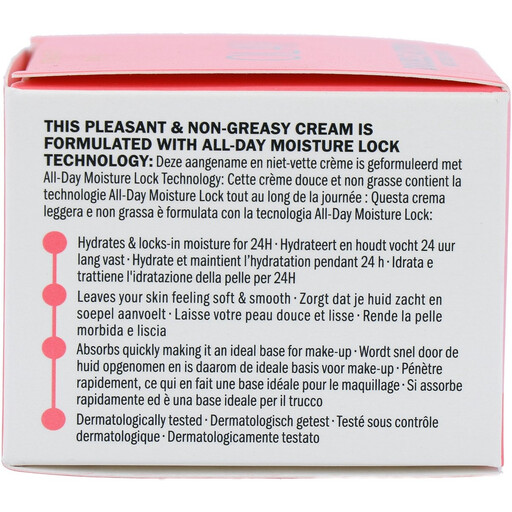
Why it suits this profile: A simple day cream for anyone looking for one product to provide daily hydration and act as a base under make-up. According to the product description, the formula is intended for normal to dry skin.
The product description clearly states that it can be used as a primer and is intended for normal to dry skin. This makes the choice more straightforward than with a product whose intended use is unclear.
50 ml, lightweight texture, pH-neutral according to the product information and dermatologically tested according to the stated information.

Why it suits this profile: According to Clinique, the gel cream is suitable for dry, very dry, combination and oily skin, and can be used on its own, under make-up or as a mask.
The lightweight gel texture means you may not need a different heavy cream for every occasion. The claim of up to 100 hours of hydration comes from Clinique and is not a guarantee for every user.
30 ml, gel cream, fragrance-free and alcohol-free according to the product details; suitable for use under make-up.

Why it suits this profile: A Korean face cream with 100 ml of product for users looking for a generous amount for everyday use or as a nourishing night cream.
The product information lists five types of hyaluronic acid and an ethanol-free formula. However, always check the current ingredients list on the packaging.
100 ml, a gel cream that the product description says absorbs quickly, with glycerine, ceramides, panthenol and several forms of hyaluronic acid.
We have put together a complete, up-to-date list of products that fully meet these strict selection criteria and the applicable European safety regulations.
For a cream for sensitive skin, a short ingredients list and a fragrance-free option are often practical starting points. According to the product information, Curel Intense Moisture Cream is intended for dry, sensitive skin and contains ingredients including glycerine and allantoin.
For a face cream for mature skin, you can consider the texture and ingredients that the brand associates with hydration and a firmer-looking appearance. According to the product description, Avène DERMABSOLU Day Cream and Intensive Night Cream have been developed for mature skin. The day version contains 50 ml; the night version 40 ml.
For blemish-prone skin, a daily moisturiser is not the same as a treatment. Dr Althea 345 Relief Cream lists ceramide NP, hyaluronic acid and niacinamide. The “non-comedogenic” claim comes from the product information. AC Collection Ultimate Spot Cream is intended for targeted use, not as a complete face cream.
Start with a small amount, roughly the size of a pea for your face. A richer cream may require less product than a thin gel. Always follow the brand’s usage instructions and include your neck and décolletage if recommended.
Often, yes, as long as the texture and ingredients suit your routine. A day cream is usually lighter and suitable for use under make-up. A night cream for the face is often richer. During the day, also use separate sun protection when your skin is exposed to the sun.
Check the expiry date and the period-after-opening information on the packaging. Store the product in a cool, dry place away from direct sunlight. If the scent, colour or texture changes significantly, or irritation develops, stop using it and check the product information.
