
Vandaag of morgen in huis

Kwaliteit gegarandeerd

Welkomstaanbiedingen ontgrendelen: GRATIS bezorging | Tot 80% korting | Gratis 30 dagen JoyPlus-proefperiode
Download de app
Buying a new face cream might seem straightforward – until you have to choose between a hydrating face cream, a Korean face cream, a skin barrier cream or an anti-ageing cream. Marketing terms don't always tell you how a product will fit into your daily routine. A rich cream, for example, can be lovely for dry skin, but may feel too heavy on oily or acne-prone skin.
So, pay close attention to the ingredients list, the texture and the usage instructions. That way, you can avoid paying for a promise that doesn't match your skin's needs.
Hyaluronic acid attracts moisture, but on its own it tells you little about how comfortable a cream feels or how long it keeps moisture on the skin. Also look at other ingredients, such as glycerine, oils, silicones, panthenol or ceramides. A cream with hyaluronic acid can be light, while a formula with shea butter and oils will feel richer.
A product description may say a cream is suitable for all skin types, but your preference also depends on the season, climate and your skin's condition. In the UK, cold winds and dry indoor air can make your skin feel very different from a warm, humid day. If you have sensitive skin, first test a small amount on a limited area.
Products with AHA, BHA, PHA, vitamin C or essential oils need to be introduced carefully. According to the product information from SOME BY MI, AHA, BHA and PHA can increase sensitivity to sunlight; the manufacturer therefore recommends sun protection and limited sun exposure. Stop if irritation occurs and always follow the label.
Hyaluronic acid and glycerine are often used as humectants. Ceramides, cholesterol and fatty acids appear in formulas that focus on the skin barrier. A cream with ceramides, such as a skin barrier cream, can be interesting when you're mainly looking for a comfortable, less tight feeling on your skin.
Plant extracts are not automatically gentler than synthetic ingredients. Also check for fragrance, essential oils and known allergens. For sensitive skin, a short, clear ingredients list can sometimes be more practical than a formula with lots of extracts.
Check before you buy:
A 100 ml pot may seem good value, but it's only a good choice if you like the texture and use the product daily. Store the cream according to the instructions – usually tightly closed, cool and out of direct sunlight.
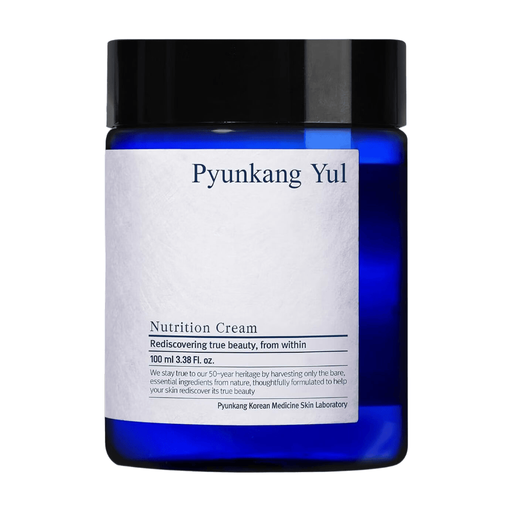
Why this fits the profile: Suitable for users looking for a richer Korean face cream for dry or mature skin, as the final step in their routine.
The product description states a fragrance-free formula and lists the nourishing ingredients used, including shea butter, jojoba oil and sodium hyaluronate.
100 ml; contains shea butter, jojoba oil and astragalus root extract; intended as the final step in skincare.
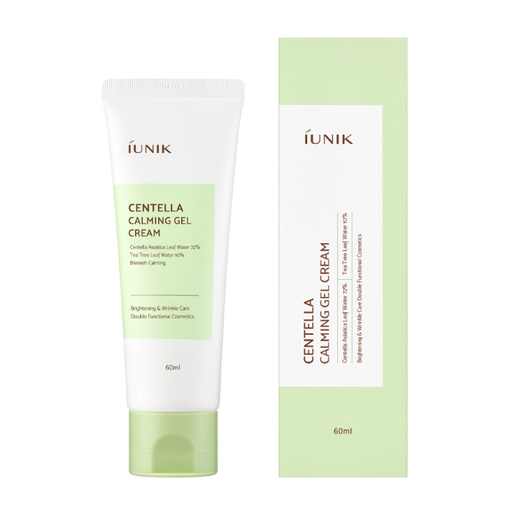
Why this fits the profile: The light gel texture is practical for anyone who wants a non-sticky moisturiser that can be applied quickly, even under sun protection or make-up.
The product information states the texture, target audience and absence of synthetic fragrance. Always check the current packaging though.
60 ml; gel cream with centella asiatica, tea tree extract, niacinamide and adenosine; product information states vegan and fragrance-free.
We've put together a full, up-to-date list of products that fully meet these strict selection criteria and comply with current European safety regulations.
Usually, once in the morning and once in the evening, after cleansing, is sufficient. During the day, also use sun protection if your routine contains active ingredients or if the product advises it. Adjust the amount based on how your skin feels and the texture of the cream.
Look for a short ingredients list and avoid ingredients you've reacted to before. A fragrance-free cream can be a practical starting point, but always test any new product on a small area of skin first. If you experience persistent redness, swelling or a burning sensation, stop using it.
No. The price doesn't directly tell you how much product you need or how long a pot will last. Compare the contents, recommended amount, texture and ingredients. A cream you enjoy using and apply consistently will generally fit your routine better than a product that sits unused in the cupboard.
