
Vandaag of morgen in huis

Kwaliteit gegarandeerd

Welkomstaanbiedingen ontgrendelen: GRATIS bezorging | Tot 80% korting | Gratis 30 dagen JoyPlus-proefperiode
Download de app
Buying a new face cream seems simple, until you have to choose between a moisturising face cream, Korean face cream, ceramide cream or anti-ageing cream. Marketing copy often promises smooth, firm and radiant skin, but the packaging doesn’t always tell you how the cream will fit into your daily routine.
So pay particular attention to the ingredients list, texture, fragrance, size and the skin type the product is designed for. This can help you avoid buying a rich cream that feels too heavy, or a light gel cream that doesn’t provide enough comfort for dry skin.
Words like collagen, hyaluronic acid, niacinamide and ceramides sound appealing. But the full formula matters more than one standout ingredient. Check where the ingredient appears in the INCI list and what other ingredients determine the texture.
A ceramide cream, for example, may seem suitable for supporting the skin barrier, but sensitive skin can also react to fragrance, essential oils or certain plant extracts. “Natural” doesn’t automatically mean a product is suitable for every skin type either.
A nourishing face cream with shea butter, oils or waxes can feel soothing when your skin feels tight, especially in winter. But the same texture may feel heavy on combination or oily skin.
If your skin tends to look shiny, it’s often worth considering a light gel cream with humectants such as glycerine, betaine or hyaluronic acid. These ingredients help retain moisture, while a lighter base may feel less occlusive.
A product description may say that a cream is suitable for sensitive skin. According to the brand’s product information, this may be based on dermatological testing or a hypoallergenic formula, for example. This doesn’t guarantee that everyone will tolerate the product without any problems.
Always check:
If you have reactive skin, testing a small amount on a limited area of skin is a sensible precaution. Stop using the product if you experience irritation, redness, swelling or a burning sensation.
For dry skin, creams with glycerine, hyaluronic acid, shea butter, squalane, plant oils or ceramides are often a good fit. Normal to dry skin can usually tolerate a creamier formula.
Oily or combination skin may benefit from a water gel or gel cream. Look for terms such as “lightweight”, “gel” and “non-greasy”, but also check for fragrance or plant extracts if your skin is sensitive to them.
A collagen cream may contain collagen extract or collagen water. According to the brand’s product information, these are used to give the skin a plumper or smoother feel. The presence of collagen in the ingredients list doesn’t automatically mean it will bring about a lasting change in your skin.
Don’t compare price alone: the size can make a big difference, whether it’s 50 ml, 75 ml, 80 ml or 100 ml. A jar is easy to use, while a tube is often convenient to take with you. Use the cream as directed on the label, close the packaging properly and keep it out of direct sunlight.
A face cream doesn’t automatically replace sun protection during the day. Use a separate sunscreen with a suitable SPF if needed.

Why it suits this profile: Its gel texture and 100 ml size make this a practical choice if you’re looking for a lightweight Korean face cream without a heavy, creamy feel.
The product information describes a lightweight gel that doesn’t feel sticky. Check the full ingredients list and consider how well your skin tolerates plant extracts.
44% red bean extract, according to the product information, plus a peptide complex and gel texture for easy everyday use.

Why it suits this profile: This cream is a good match if you’re specifically looking for a formula with ceramides, panthenol, glycerine and hyaluronic acid for dry or sensitive skin.
The formula lists ceramide NP, ceramide AP and ceramide EOP. That’s more specific than a general claim about supporting the skin barrier.
100 ml size, multiple ceramides, panthenol and squalane, plus a formula tested for sensitivity according to the product information.
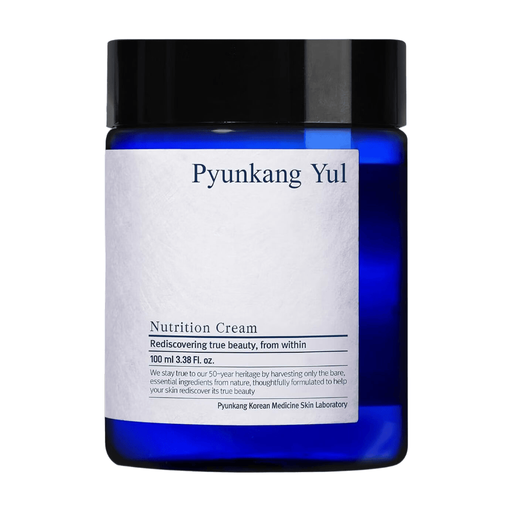
Why it suits this profile: Its rich texture is designed for dry, mature or demanding skin that needs extra comfort, for example as a night cream.
The product information describes a fragrance-free formula. Check the INCI list and bear in mind that it contains beeswax, shea butter and oils if you’re looking for a very lightweight texture.
100 ml size, shea butter, jojoba oil, sodium hyaluronate and Mongolian tragacanth, according to the product description.
We’ve put together a complete, up-to-date list of products that meet these strict selection criteria and current European safety regulations.
Most creams are designed for use in the morning and evening, but always follow the instructions on the packaging. Apply the cream to clean skin. During the day, you can follow with sun protection if that suits your routine.
Check the expiry date and the period-after-opening symbol on the packaging. Store the cream in a cool, dry place, out of direct sunlight. If its smell, colour or texture changes noticeably, stop using it.
Ideally, choose a formula with a straightforward ingredients list and check for fragrance and essential oils. Ceramides, panthenol and glycerine may suit a skincare routine, but no ingredient is guaranteed to work for everyone. Test a new product carefully first and stop using it if irritation occurs.
