
Vandaag of morgen in huis

Kwaliteit gegarandeerd

Welkomstaanbiedingen ontgrendelen: GRATIS bezorging | Tot 80% korting | Gratis 30 dagen JoyPlus-proefperiode
Download de app
Buying a face cream seems simple, but the wide choice can make it difficult to compare products. Are you looking for a hydrating face cream, an anti-ageing face cream or a product to tackle a dull, uneven complexion? It’s easy to be drawn to eye-catching claims on the packaging. But they don’t always tell you what matters for your skin or how you plan to use the product.
A product containing retinol, vitamin C, niacinamide, acids and several plant extracts may look appealing. However, more active ingredients don’t automatically mean the cream is a better fit for you. If you have sensitive skin, you may find fragrance, essential oils or a combination of several active ingredients less comfortable to use.
Check the full ingredients list, not just the ingredients highlighted on the front of the pack. A face cream for sensitive skin often benefits from a simple formula, a fragrance-free composition and advice on how to introduce it gradually.
A face cream with SPF can be convenient for everyday use. However, the level of protection depends on how much you apply and how often you reapply it. A day cream with SPF25 or SPF30 is not the same as a separate sun protection product for prolonged exposure to sunlight.
Also check that the SPF is clearly stated on the packaging and that the product is intended for daytime use. A night cream for the face generally doesn’t need SPF.
Brands often use terms such as “visibly smoother”, “firming” or “in just a few days”. These results may have been measured under specific conditions in research conducted by the brand in question. They’re not guaranteed for every skin type.
So start by assessing the verifiable features: size, SPF, texture, fragrance, active ingredients, skin type and when to use it. It may also be sensible to test the product on a small area of skin. Stop using it if irritation persists, and follow the instructions on the packaging.
Choose a texture you’ll want to use every day. A rich cream with shea butter or oils may suit dry skin, while a gel cream may feel more comfortable on combination or oily skin.
Korean skincare creams often contain several hydrating or soothing ingredients, but you should still check the full INCI list.
For dryness, hydrating ingredients such as hyaluronic acid and glycerine are worth looking for. If your skin looks dull, many shoppers seek a brightening face cream containing vitamin C, niacinamide or tranexamic acid. According to product descriptions, these ingredients help promote the appearance of a more even complexion; they’re not a substitute for professional skincare advice.
A cream with retinol needs extra care. Start by following the frequency given on the label, use sun protection during the day and don’t immediately combine it with several other potent active products. The Retinol 0.1 Cream states a retinol concentration of 0.1% and, according to the product description, also contains hyaluronic acid and panthenol.
A face day cream may contain SPF and is often lighter in texture. A face night cream usually focuses on comfort and hydration, without a sun filter. Check whether the product comes in a tube or a jar, how many millilitres it contains, and what expiry or period-after-opening information is shown on the packaging.
Also check for fragrance. A product may be described as “mild” but still contain fragrance or fragrance allergens. So check the current ingredients list for the product you receive.
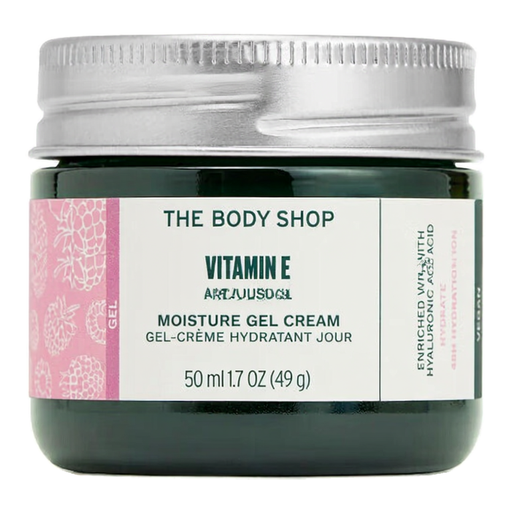
Why it suits this profile: This lightweight gel cream is designed for daily use and, according to the product description, is suitable for all skin types. That makes it a straightforward choice if you’re looking for a simple place to start.
The focus is on hydration rather than a long list of potent active ingredients. If you want to avoid fragrance, check the current ingredients list.
50 ml; gel cream with hyaluronic acid and vitamin E according to the product description; lightweight, fast-absorbing texture.
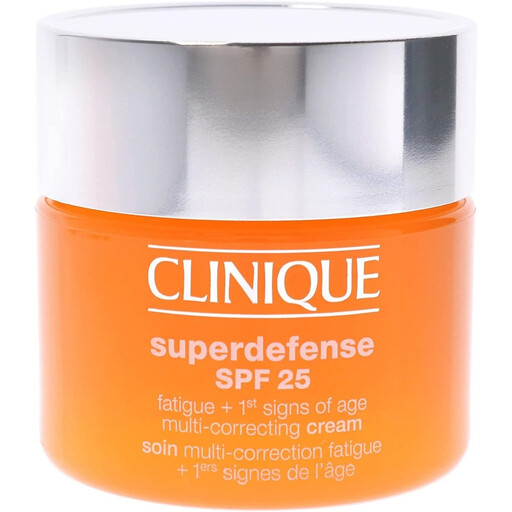
Why it suits this profile: This day cream combines hydration with SPF25 and, according to the product specifications, is fragrance- and alcohol-free. It’s a good fit for a polished morning routine with fewer separate steps.
The SPF and formula features are clearly stated. However, treat SPF25 as part of your routine, not as complete sun protection during prolonged exposure.
50 ml; SPF25; niacinamide and antioxidants listed in the ingredients; designed as a daytime treatment.
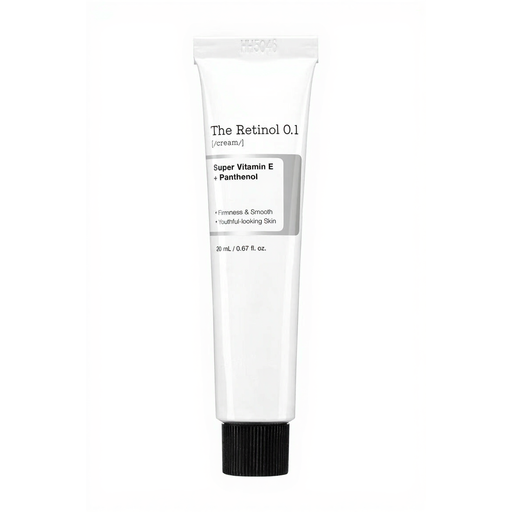
Why it suits this profile: For anyone looking to add a retinol cream to their routine with care. The clearly stated, low concentration makes it easier to discuss dosage and how to build up use gradually.
The product information states that it contains 0.1% retinol. Introduce it gradually and don’t combine it straight away with several exfoliating products.
20 ml; 0.1% retinol; hyaluronic acid and panthenol listed as hydrating ingredients.
We’ve put together a complete, up-to-date list of products that meet these strict selection criteria and current European safety regulations.
Look for a formula containing glycerine, hyaluronic acid, panthenol, squalane or shea butter. A richer cream may feel especially comfortable in the evening. If your skin reacts easily, test new products on a small area of skin first.
It depends on the formulas and how well your skin tolerates them. To reduce the risk of irritation, you could initially use them at different times, for example, vitamin C in the morning and retinol in the evening. Use suitable sun protection during the day and always follow the label.
Follow the expiry date and the period-after-opening symbol on the packaging. Keep the cream closed, somewhere cool and out of direct sunlight. A change in smell, colour or texture may be a reason to stop using the product.
