
Vandaag of morgen in huis

Kwaliteit gegarandeerd

Welkomstaanbiedingen ontgrendelen: GRATIS bezorging | Tot 80% korting | Gratis 30 dagen JoyPlus-proefperiode
Download de app
Choosing a face cream seems simple until you have to decide between a moisturising face cream, a cream for dry skin, a barrier-repair cream or an anti-ageing face cream. Packaging often promises long-lasting hydration, firmer-looking skin or a radiant complexion. These claims only mean something when you consider the ingredients, texture and directions for use.
As a Joybuy Product Recommendation Officer, I assess product information based on practical details. This can help you separate marketing claims from verifiable specifications and choose a face cream that suits your skin type and routine.
A product with lots of active ingredients may sound appealing, but more ingredients don’t automatically mean it will suit your skin. Pay particular attention to the order of the ingredients and any substances you’re sensitive to. Fragrance, essential oils and certain plant extracts may not suit everyone, even when a product is described as gentle.
A cream containing hyaluronic acid can help the skin’s surface retain moisture, but that doesn’t automatically make the formula rich or supportive of the skin barrier. For dry skin, emollient oils, butters, fatty acids, cholesterol or ceramides are also worth looking for. A moisturiser may feel lightweight, while a barrier-repair cream may feel more occlusive.
Terms such as “firming”, “youth”, “collagen” and “72-hour hydration” are often based on product claims or a brand’s own research. According to Estée Lauder’s own research, for example, Revitalizing Supreme+ may improve the appearance of radiance, firmness and fine lines. This is no guarantee for every user. Check the specific ingredients, test information and directions for use rather than relying on the front of the packaging.
Glycerine, hyaluronic acid and panthenol are commonly used humectants for everyday hydration. A cream containing hyaluronic acid may feel soothing if your skin feels tight, especially when used with an occlusive cream.
If your skin barrier is dry or damaged, look for ceramide NP, ceramide AP, ceramide EOP, cholesterol and fatty acids. A ceramide cream won’t automatically suit everyone, but these ingredients are associated with formulas that support the skin’s protective layer.
For nourishment and comfort, some formulas contain shea butter, squalane, jojoba oil, macadamia oil or plant oils. These ingredients can create a richer cream for dry skin.
A gel cream or lightweight emulsion often suits combination or oilier skin. A rich cream may feel more comfortable on dry skin, particularly in the evening or during cold, windy weather. Also check how the product is intended to be used: some are for the face and neck, while others are for the face and body.
A face cream for sensitive skin shouldn’t just sound gentle. Check whether it contains fragrance and follow the safety information. According to its ingredients list, Medicube Pink Hyaluronic Moisturizing Cream does contain fragrance. Bear this in mind if you prefer to avoid fragrance.
Compare the size: a 100 ml jar may last longer than a 30 ml tube when used in the same way, but the amount you need will vary by formula. Store cosmetics in a cool, dry place away from direct sunlight. Check the expiry date or the period-after-opening information on the packaging.
Try a new cream on a small area of skin first. Stop using it if you experience burning, itching, swelling or noticeable redness. Avoid contact with your eyes, and use a separate sunscreen during the day if your skin needs it.

Why it suits this profile: With its 100 ml size and gel-cream texture, this is a practical choice if you’re looking for one everyday moisturiser.
The product information lists five types of hyaluronic acid and says the formula contains no ethanol. Always check the full ingredients list yourself.
100 ml; gel-cream texture; described in the product information as suitable for dry, normal and mature skin.
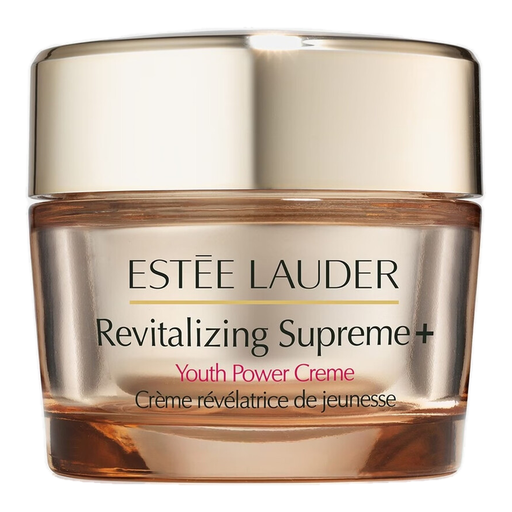
Why it suits this profile: If you value a luxurious texture and an extensive formula, this cream for the face and neck may be worth considering.
The specifications list 30 ml, use in the morning and evening, and ingredients including glycerine, sodium hyaluronate and squalane.
Described in the product information as suitable for all skin types; designed to hydrate and care for skin showing visible signs of ageing.
We’ve put together a complete, up-to-date list of products that meet these strict selection criteria and the applicable European safety regulations.
Most moisturisers can be used daily, often in the morning and evening. Start with a small amount on clean skin. A lightweight day cream can be worn under make-up, while a nourishing day and night cream may feel especially comfortable when your skin feels dry.
Check the expiry date and the period-after-opening symbol on the packaging. Keep the cream closed, in a dry place and away from direct sunlight. Has its smell, colour or texture changed? It’s best not to use the product.
Choose a simple formula where possible, and check the ingredients for fragrance and known allergens. It’s a good idea to do a patch test. If irritation, swelling or itching persists, stop using the product and seek medical advice.
