
Vandaag of morgen in huis

Kwaliteit gegarandeerd

Welkomstaanbiedingen ontgrendelen: GRATIS bezorging | Tot 80% korting | Gratis 30 dagen JoyPlus-proefperiode
Download de app
Buying a new face cream seems simple, until you have to choose between a hydrating face cream, day cream, night cream, Korean face cream or skin barrier cream. Marketing terms such as “intensive hydration”, “glow” and “anti-ageing” don’t always tell you enough about the formula itself, either.
The right choice depends mainly on your skin type, the ingredients, the texture and when you want to use the cream. Keep the following points in mind to avoid a purchase you regret.
“Up to 24 or 100 hours of hydration” sounds clear, but always check who is making the claim and under what conditions. According to Clinique’s product description, Moisture Surge 100H provides up to 100 hours of hydration. That’s a claim made by the brand, not a universal guarantee for every skin type.
So, check for information you can verify, such as:
Creams for dry skin often contain more emollient or occlusive ingredients. This can feel pleasant when your skin feels tight, but a heavy texture may be less comfortable on oily or combination skin. If your skin gets shiny quickly, look for a lightweight gel cream or a product with a mattifying finish.
Also look out for the term non-comedogenic. Some products carry this label, but it doesn’t guarantee that everyone’s skin will remain free from blemishes. Skin reactions vary from person to person.
Niacinamide, retinol and different forms of hyaluronic acid get a lot of attention, but the overall formula matters just as much. For example, a cream may contain fragrance when you’re specifically looking for one for sensitive skin. Check the ingredients list, and if your skin is reactive, consider a fragrance-free formula.
Take extra care with retinol. Start with a small amount and use it infrequently. Apply sun protection during the day and stop using it if irritation persists. Cosmetic claims about fine lines or dark spots are not medical results.
If you use a facial moisturiser during the day, a lightweight gel cream is often practical under make-up. A richer cream may be a better fit for dry skin or as a night cream.
A product described on the packaging as suitable for all skin types isn’t automatically the right choice for your skin. Texture and personal tolerance still matter.
Skin barrier creams often contain ingredients such as ceramides, cholesterol, panthenol and fatty acids. These are found in products designed to support the skin’s protective barrier.
Hyaluronic acid and glycerin attract moisture, while oils, butters and certain silicones help the skin feel moisturised for longer. The presence of one popular ingredient doesn’t determine how a product works on its own; the overall formula and how you use it shape your experience.
Day cream is often chosen for its lighter texture and how well it works with make-up. A night cream can be richer, as a shiny finish is usually less important then. Check the size, too: 30 ml, 50 ml and 80 ml can make a big difference to how long a product lasts and its price per millilitre.
Store face cream according to the instructions on the packaging. Check the expiry information and the period-after-opening symbol. Don’t use a product if its smell, colour or texture has noticeably changed.
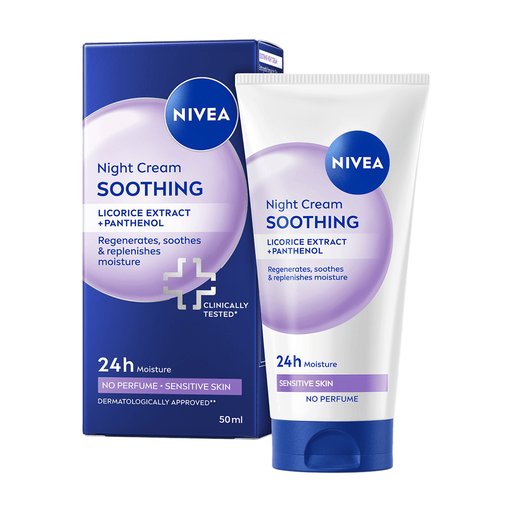
Why it suits this profile: A straightforward night cream for anyone looking for a simple skincare routine. According to the product information, the formula is fragrance-free and pH-neutral.
The product information says it contains no fragrance and lists ingredients such as glycerin, panthenol and shea butter. Always check the current packaging before buying.
50 ml, fragrance-free formula and designed for evening use.

Why it suits this profile: This gel cream is a good choice if you’re looking for a fresh-feeling texture to wear alone or under make-up.
According to the product information, the formula is alcohol-free, fragrance-free and non-comedogenic. The claim of up to 100 hours of hydration comes from Clinique.
Gel cream, 30 ml and listed in the product specifications as suitable for dry, combination and oily skin.
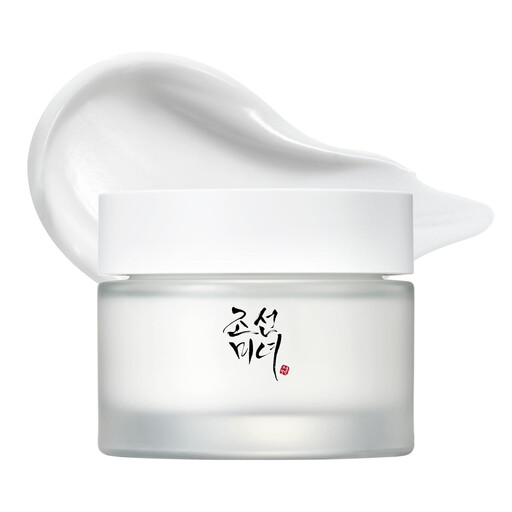
Why it suits this profile: A good fit if you’re looking for a richer Korean face cream with a nourishing, fragrance-free formula.
The product information lists ingredients including glycerin, niacinamide, panthenol, sodium hyaluronate and rice extract. Do check that the richer texture suits your skin.
50 ml, fragrance-free according to the product details, and suitable for morning and evening use.
We’ve put together a complete, up-to-date list of products that meet these strict selection criteria and the applicable European safety regulations.
Apply the cream to clean skin. A small amount is usually enough; using more won’t automatically hydrate your skin better. You could follow this simple routine:
If your skin is quick to react, test a new product on a small area first. Don’t combine several active products straight away, so you can better identify what might be causing any irritation.
For most routines, once in the morning and once in the evening is enough. You can apply extra cream to dry areas as needed. Always follow the instructions on the packaging.
Day cream often has a lighter texture and is designed to be worn under make-up or sun protection. Night cream is often richer and may contain ingredients you’d prefer not to expose to direct sunlight straight away. The name alone doesn’t tell you everything, though; compare the formula and instructions for use.
Check the expiry date and the open-jar symbol on the packaging. The recommended period of use after opening varies from product to product. Store your cream in a cool, dry place away from direct sunlight, and close the packaging securely after use.
