
Vandaag of morgen in huis

Kwaliteit gegarandeerd

Welkomstaanbiedingen ontgrendelen: GRATIS bezorging | Tot 80% korting | Gratis 30 dagen JoyPlus-proefperiode
Download de app
A face cream may seem like a simple product, but there can be major differences in texture, ingredients and usage advice. A lightweight cream can feel comfortable under make-up, while a richer formula may be better suited to dry skin. Terms such as anti-ageing, lifting, collagen and barrier repair only become meaningful when you look at the full product information.
The three most common pitfalls:
Confusing marketing claims with guaranteed results
A brand may refer to a lifting effect, fewer wrinkles or deeper absorption. These are not guaranteed results for every user. Such claims may be based on a brand’s own research conducted under specific conditions. So always check the ingredients, size and directions for use first.
Focusing on just one popular ingredient
Retinol, ceramides, collagen and hyaluronic acid receive plenty of attention, but it is the overall formula that determines how a face cream feels. For example, a retinol cream may be less suitable if your skin reacts easily. A ceramide cream often contains additional ingredients such as glycerine, panthenol, squalane or fatty acids for a more comfortable texture.
Mixing up day and night skincare
A day cream for the face may be designed to leave a lightweight finish and may sometimes contain sun protection. A night cream for the face is often richer and may contain ingredients that you would prefer to use in the evening. A face cream with SPF 30 can be convenient for everyday use, but it does not automatically replace reapplication during prolonged exposure to the sun.
Start with your skin type and your main goal. Do you mainly experience tightness, flaking or uncomfortable skin? Then look for a hydrating face cream with humectant ingredients such as glycerine, panthenol and hyaluronic acid. For a cream for dry skin, oils, butters, squalane and silicones can also help retain moisture for longer.
For a cream for sensitive skin, a short ingredients list, a simple routine and a patch test are sensible choices. Also look out for perfume and fragrance ingredients. A product described as hypoallergenic, non-comedogenic or dermatologically tested provides information about the stated properties, but it does not mean that every skin type will react in the same way.
For mature skin, you can compare products based on hydrating ingredients, peptides, bakuchiol or retinol. An anti-ageing face cream is not a medical treatment. Brands often describe an improved appearance of fine lines, firmness or elasticity. Treat these claims as product information and choose according to your own tolerance and routine.
Ingredients are generally listed in descending order by quantity, but not every ingredient serves the same purpose. Ceramide NP, AP, AS or EOP are examples of ceramides found in formulas designed to care for the skin barrier. Panthenol, glycerine and hyaluronic acid are often used for hydration.
With a retinol cream, the stated concentration is relevant. The Retinol 0.1 Cream, for example, lists 0.1% retinol. Introduce retinol gradually, use a small amount and do not combine it immediately with several intensive active products. Use sun protection during the day and stop if irritation persists.
Collagen in a cream does not automatically mean that collagen is replenished in the skin. In a collagen cream, the ingredient may form part of the cosmetic formula and contribute to the way the skin feels. Medicube Triple Collagen Cream lists collagen, hyaluronic acid, niacinamide and nourishing oils in its product description.
A 50 ml jar and an 80 or 100 ml tube or pump bottle are not directly comparable. Consider both the size and how much you need to use each time. A rich cream for dry skin can feel pleasant in winter, but may feel too heavy under make-up.
Also check whether the cream is intended for morning use, evening use or both. According to the product description, L’Oréal Paris Revitalift Anti-Wrinkle Night Cream with Retinol is intended for evening use. Olay Double Action Moisturise & Prime Day Cream, on the other hand, is described as a lightweight day cream and primer for normal to dry skin.
A product with SPF 30 can be a practical step in your morning routine. L’Oréal Paris Revitalift Anti-Wrinkle Day Cream SPF 30 and Eucerin Hyaluron-Filler + Elasticity Rosé Day Cream SPF30 list sun protection in their product details. Always follow the directions on the packaging and reapply during prolonged exposure. No sun protection claim means complete protection.
Also read the warnings. Avoid contact with the eyes, carry out a patch test first if you have sensitive skin, and stop using the product if redness, swelling or irritation occurs. The information on the current packaging takes precedence, as ingredients and packaging information may change between production batches.
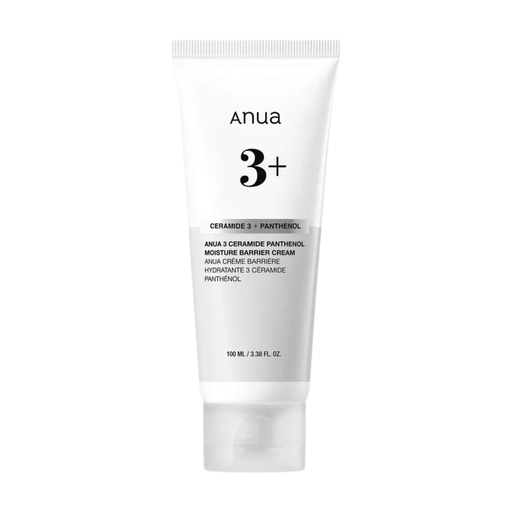
Why it suits this profile: The 100 ml size and morning-and-evening use make this a straightforward choice for anyone wanting to start with one everyday cream.
The product information mentions several ceramides, panthenol, glycerine and hyaluronic acid rather than just one marketing ingredient. The full ingredients list remains available to check.
100 ml; ceramide NP, AP and EOP; panthenol and sodium hyaluronate; described as suitable for all skin types, including sensitive skin.
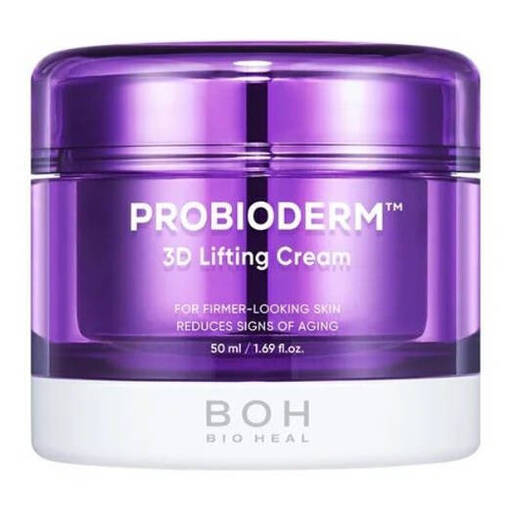
Why it suits this profile: If you are looking for a Korean skincare cream with a refined, lightweight texture, you can compare this formula based on its peptides, ferments and pump packaging.
The term ‘lifting’ is not a guarantee of a lasting change. This product has been selected based on the stated 17 peptides, ferments, glycerine and 50 ml size.
17 stated peptides; probiotics, prebiotics and postbiotics according to the product description; pump bottle; lightweight texture according to the brand information.
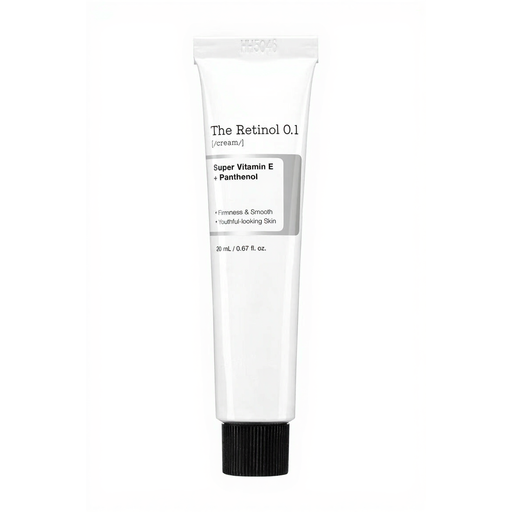
Why it suits this profile: This retinol cream is aimed at users who consciously want to add a vitamin A product to their evening routine and can follow the recommended dosage.
The 0.1% retinol concentration is stated explicitly in the product information. This allows you to compare products more precisely than when a product is labelled simply ‘anti-ageing’.
0.1% retinol; hyaluronic acid and panthenol according to the product description; 20 ml; intended for use as part of a targeted evening routine.
Cleanse your face gently and apply a serum first if required. Then apply a small, even amount of cream to your face and neck. A thin layer is usually enough; using more product does not automatically mean more hydration. If you have dry skin, you can apply a little extra to tight-feeling areas.
Introduce new active ingredients one at a time. This makes it easier to identify what your skin is reacting to. With retinol, it is sensible to build up gradually. Do not combine a night-time retinol product with other strong exfoliating products without careful consideration. During the day, suitable sun protection should form part of a routine containing retinol or other ingredients that may make the skin more sensitive to sunlight.
You will find the expiry date and the period after opening on the packaging. Store the jar or bottle in a cool, dry place away from direct sunlight. Look out for changes in smell, colour or texture, and stop using the product if it has clearly changed.
We have put together a complete, up-to-date list of products that fully meet these strict selection criteria and the applicable European safety regulations.
That depends on the product and your skin. Many hydrating creams are intended for daily use in the morning and evening. You would usually use a day cream in the morning, while a night cream for the face is often used in the evening. Always follow the label, especially when using retinol or other active ingredients.
Check the expiry date and the period-after-opening symbol on the packaging. A cream may last longer if you close the packaging properly and avoid putting wet fingers into a jar. The current packaging takes precedence, as formula and batch information may change.
The price depends on factors including the brand, size, packaging and ingredients. So compare the price per millilitre and assess the formula rather than focusing only on a familiar name. An affordable ceramide cream may be better suited to your routine than a more expensive product with a texture you do not enjoy using.
