
Vandaag of morgen in huis

Kwaliteit gegarandeerd

Welkomstaanbiedingen ontgrendelen: GRATIS bezorging | Tot 80% korting | Gratis 30 dagen JoyPlus-proefperiode
Download de app
Buying a face cream seems straightforward, until you have to choose between a hydrating face cream, an anti-ageing face cream, a Korean face cream or a barrier-repair cream. Many products promise a radiant complexion, firmer-looking skin and long-lasting hydration. But an eye-catching claim doesn’t always tell you enough about the formula, texture or whether it’s right for your skin.
As a Joybuy Product Recommendation Officer, I focus on information you can check: the ingredients list, the skin types the product is intended for, directions for use, size and any warnings.
PDRN, collagen and hyaluronic acid are widely discussed ingredients. However, their presence doesn’t automatically mean every user will experience the same effects. According to various brands’ product descriptions, these ingredients are intended to leave skin feeling hydrated, smoother or more resilient. These are product claims, not guaranteed medical or cosmetic results.
So always check where the ingredient appears in the ingredients list and what else the formula contains. A hyaluronic acid cream, for example, may feel light and gel-like, while a cream with shea butter or oils may feel richer.
A lightweight gel cream can feel comfortable on combination or oilier skin, but may not feel rich enough on very dry skin. Conversely, a rich cream can feel heavy on oilier skin.
As well as your skin type, consider your day-to-day routine. In winter, when the air indoors is dry or after frequent cleansing, a richer cream for dry skin may be more practical. If you wear make-up or prefer to avoid a shiny finish, you may want to look for a lighter formula.
A product described as mild or suitable for all skin types may not work for everyone. Check the ingredients list for fragrance and known allergens. For example, Medicube Salmon DNA PDRN Pink Hyaluronic Moisturizing Cream explicitly states that it contains fragrance.
If you’re looking for a cream for sensitive skin, it’s a good idea to test a small amount on a limited area of skin first. Stop using it if you experience redness, itching, swelling or a burning sensation, and follow the safety information on the packaging.
Humectants such as glycerine, betaine and hyaluronic acid are often used to provide everyday hydration. Their cosmetic function is to help retain moisture at the skin’s surface. A cream for dehydrated skin may also contain emollient or occlusive ingredients, such as squalane, shea butter or certain oils.
Examples:
A barrier-repair cream supports the care of dry or tight-feeling skin, but “repair” in product communications should be understood as a cosmetic product claim. If you have ongoing skin problems, advice from a doctor or dermatologist is more appropriate.
The ingredients list offers more useful information than words such as “glow”, “lifting” or “anti-ageing”. Also check:
It’s important to use retinol, acids and other active ingredients carefully. For example, L’Oréal Paris Revitalift Day Cream Laser X3 lists Pro-Retinol, vitamin C, hyaluronic acid and SPF 25. Use the product as directed on the packaging and, if advised, consider using additional sun protection during the day.
Under EU cosmetics regulations, product information and safety warnings must be clearly available. When buying, check the current packaging, ingredients list, expiry date and details of the responsible manufacturer or importer. Ingredients may change between batches or formulas.

Why it suits this profile: The 100 ml size is practical for everyday use. According to the product description, the formula contains five types of hyaluronic acid, glycerine, panthenol and ceramide NP.
The product information provides the full ingredients list and clear directions for use, so you don’t have to rely on a marketing term alone.
100 ml; five forms of hyaluronic acid; suitable as an everyday moisturiser or night cream, according to the product description.
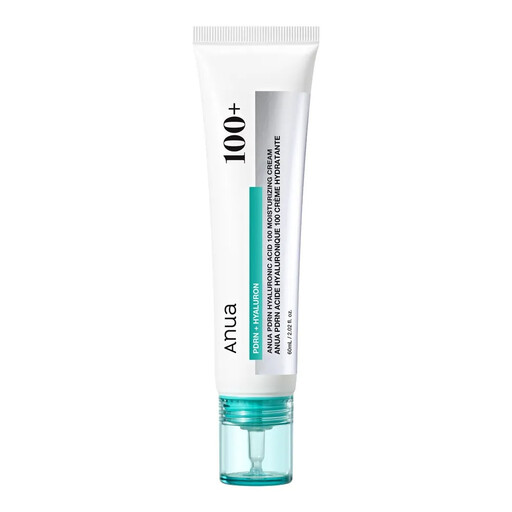
Why it suits this profile: The combination of PDRN, hydrolysed collagen and several forms of hyaluronic acid may appeal to anyone looking for a comprehensive Korean face cream.
The ingredients and directions for use are specified. Claims about glow, hydration and resilience remain product claims made by the brand.
60 ml; 10 types of hyaluronic acid, according to the product description; suitable for morning and evening use.
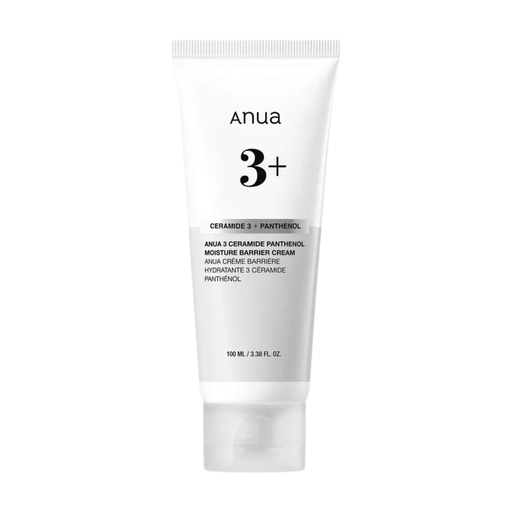
Why it suits this profile: This cream is designed for everyday barrier care, and its 100 ml size offers plenty for regular use.
The formula lists three ceramides, panthenol, glycerine and hyaluronic acid. This makes it easier to compare its barrier-focused ingredients in concrete terms.
100 ml; ceramide NP, AP and EOP; panthenol and centella, according to the ingredients list.
We’ve put together a complete, up-to-date list of products that meet these strict selection criteria and the applicable European safety requirements.
Look for a combination of humectants, such as glycerine and hyaluronic acid, and emollients such as shea butter, squalane or oils. A richer cream can feel especially comfortable in the evening. If your skin is sensitive, test a new product on a small area of skin first.
No. PDRN is an ingredient used in some creams, and brands associate it with hydration, a plumper-looking complexion or skincare. An anti-ageing face cream may also contain other ingredients, such as peptides, adenosine or retinol. Always check the specific ingredients list, and don’t treat brand claims as guaranteed results.
Follow the expiry date and the period-after-opening information on the packaging. Store the cream as instructed, usually in a cool, dry place away from direct sunlight. If the smell, colour or texture changes noticeably, stop using the product.
