
Vandaag of morgen in huis

Kwaliteit gegarandeerd

Welkomstaanbiedingen ontgrendelen: GRATIS bezorging | Tot 80% korting | Gratis 30 dagen JoyPlus-proefperiode
Download de app
Buying a new face cream may seem simple, but there are significant differences in texture, ingredients and use. A cream that works well for dry skin can feel heavy on combination skin. Terms such as “72-hour hydration”, “barrier repair” or “anti-ageing” also do not automatically mean that a product will suit your daily routine.
Joybuy Product Recommendation Officer therefore encourages you to focus primarily on verifiable information: the ingredients list, the skin-type indication, the size and how to use the cream.
Brands often make claims about long-lasting hydration, firmer-looking skin or a more even complexion. A brand’s own research may show that a product delivers a particular effect, for example, but this is not a guarantee for every user. Skin type, climate, age and the rest of your routine all play a part.
So start by looking at the actual formulation. Glycerine, hyaluronic acid and panthenol are often used as moisture-binding ingredients. Ceramides, cholesterol and fatty acids are found in formulas designed to support the skin barrier. These are product specifications, not medical promises.
A hyaluronic acid cream may sound appealing, but the full formulation determines how the cream feels. A product may contain several forms of hyaluronic acid and still have a lightweight gel texture. Another cream may also contain shea butter, oils or silicones, making it feel richer.
Also consider potential sensitivities. Fragrance, essential oils and certain plant extracts may not suit everyone. Always check the current packaging, as ingredients lists can change.
A 50 ml jar and a 100 ml pack cannot be compared directly on price. If necessary, calculate the price per 10 ml. Also consider the texture:
For dry skin, a cream containing glycerine, squalane, oils or ceramides may feel more comfortable. When choosing a cream for sensitive skin, it is best to look for a straightforward formula without fragrance if you prefer to avoid it. If you have combination or oily skin, a lightweight gel moisturiser for the face may feel more comfortable.
If you use the cream during the day, check whether the texture works well with make-up and sun cream. A richer barrier-repair cream is often better suited to an evening routine. Here, “repair” refers to cosmetic support for the skin barrier, not a medical treatment.
A Korean face cream or a product within Korean skincare is therefore not automatically lightweight, fragrance-free or suitable for every skin type. Assess the individual formulation.
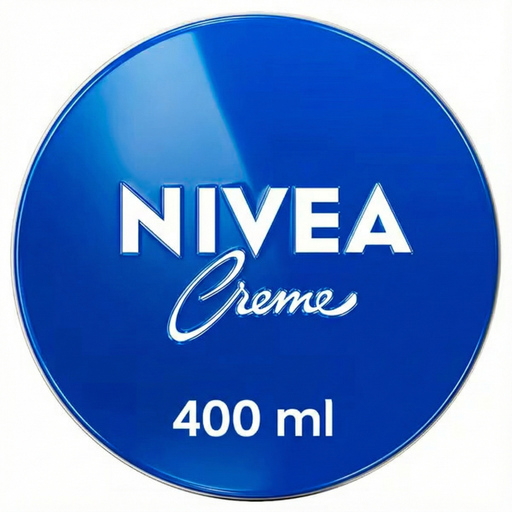
Why it suits this profile: The large pack is intended for the face and body, making it suitable for anyone who wants to start with one simple cream.
The 400 ml size and use for the face and body make the quantity clear. However, note that the ingredients list includes fragrance and fragrance allergens.
400 ml, panthenol in the formula and suitable for daily use on the face and body according to the product description.

Why it suits this profile: The gel cream is ideal for users looking for a lightweight texture and fragrance-free formula for everyday use.
The product details describe the formula as a gel cream and state that it is free from alcohol, fragrance and parabens. The packaging provides the current information.
30 ml, gel-based, sodium hyaluronate in the ingredients list and stated as suitable for several skin types in the product data.

Why it suits this profile: This Korean face cream is suitable for anyone looking for multiple hydrating ingredients and a daily cream for dry or normal skin.
The formula lists five forms of hyaluronic acid, plus panthenol and ceramide NP. This means you can assess the full formulation rather than focusing on a single marketing term.
100 ml, argan and apricot oils, several forms of hyaluronic acid and a gel cream texture according to the product description.
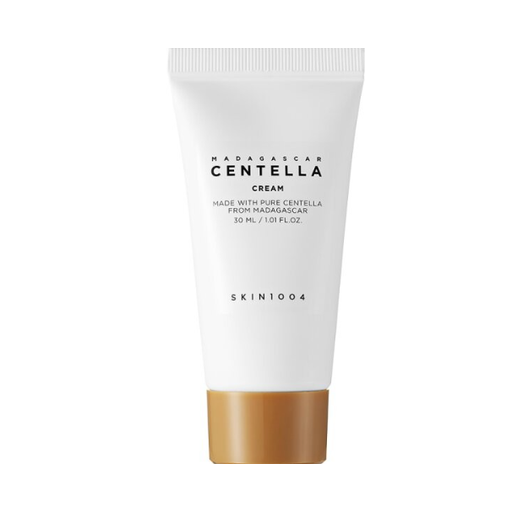
Why it suits this profile: The lightweight formula is intended for normal and sensitive skin and can be used under make-up or sun cream, according to the product description.
The texture is described as lightweight and non-greasy. If you have sensitive skin, still check the full, current ingredients list and, if in doubt, test it on a small area of skin.
30 ml, centella asiatica and panthenol in the product description, with a formula for daily use.
We have put together a complete, up-to-date list of products that fully meet these strict selection criteria and the applicable European safety regulations.
You will usually apply a face moisturiser after cleansing, in the morning and, if required, in the evening. Use an amount that suits the texture; for example, start with a small amount and only add more if your skin still feels tight. During the day, apply sun cream as the final step if required by your product routine.
Look for a cream containing moisture-binding ingredients such as glycerine or hyaluronic acid, along with soothing or occlusive ingredients such as squalane, oils and ceramides. A richer cream for dry skin can feel particularly comfortable in the evening. Consider the balance: a very rich texture may feel less comfortable on combination skin.
Check the period-after-opening symbol, expiry date and instructions on the packaging. Store the cream in a cool, dry place away from direct sunlight, and close the packaging after use. Has the scent, colour or texture changed? Stop using it and check the product information. If you have sensitive skin, a patch test is advisable, especially when trying new active ingredients.
