
Vandaag of morgen in huis

Kwaliteit gegarandeerd

Welkomstaanbiedingen ontgrendelen: GRATIS bezorging | Tot 80% korting | Gratis 30 dagen JoyPlus-proefperiode
Download de app
Choosing a new face cream might seem simple, until you’re standing in front of dozens of pots and tubes. “Hydrating”, “barrier-repairing”, “brightening” and “anti-ageing” all sound appealing, but they don’t always tell you enough about the formula or how to use it.
Three common pitfalls to watch out for:
Ingredients are listed in descending order of quantity, although this system has exceptions for ingredients used in low concentrations. Pay particular attention to the combination:
Also check for fragrance and essential oils. A product may be described as suitable for sensitive skin, but individual reactions are still possible.
A hydrating face cream with a gel texture often feels light and can suit oily or combination skin. A richer cream with oils, shea butter or ceramides is more suitable for dry skin or when your skin feels tight.
For a cream for oily skin, a non-greasy, fast-absorbing texture is practical. “Non-comedogenic” means a brand positions the formula as less likely to clog pores; it’s no guarantee that everyone will have the same experience.
Compare the size: 40, 50, 60 or 100 ml makes a difference to the price per millilitre. Also check:
With retinol, acids and some brightening formulas, daily sun protection is wise. Always follow the usage instructions on the packaging. Stop if irritation occurs, and for persistent skin concerns, seek advice from a doctor or dermatologist.
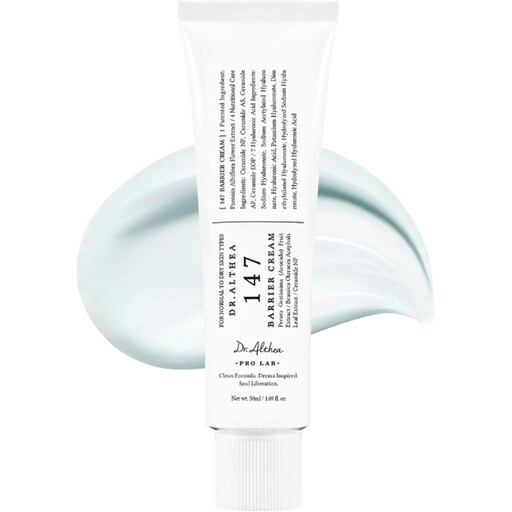
Why this suits the profile: Ideal for anyone specifically looking for a barrier-repairing cream with multiple hydrating components.
The product description mentions ceramides and seven types of hyaluronic acid. That gives you more to go on than just a general claim about “intensive care”.
Ceramides in the formula; seven types of hyaluronic acid according to the product description; 50 ml size.
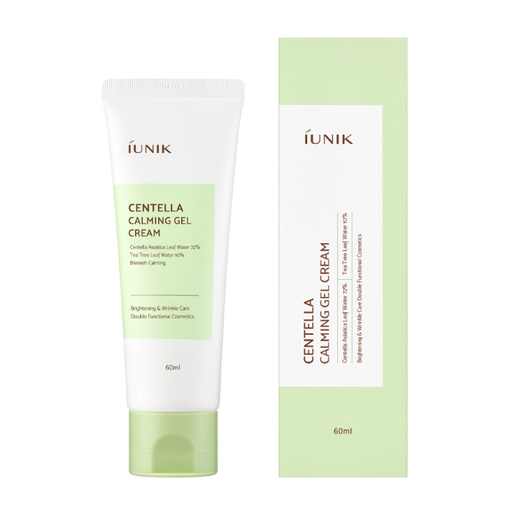
Why this suits the profile: The light gel texture appeals to anyone looking for a soothing face cream without a heavy or greasy feel.
The product description mentions a fast-absorbing gel cream and lists Centella Asiatica, tea tree and niacinamide. If you have sensitive skin, always check the full ingredients list.
Gel texture; 60 ml size; according to the product description, suitable for oily, combination and sensitive skin.
We’ve put together a full, up-to-date list of products that fully meet these strict selection criteria and comply with current European safety regulations.
Usually, a small amount after cleansing, in the morning and possibly in the evening, is enough. With an active formula such as retinol or glycolic acid, follow the product instructions and start with less frequent application.
Check the expiry date and the pot or tube symbol on the packaging. Store the cream in a cool, dry place away from direct sunlight. If the smell, colour or texture changes noticeably, stop using the product.
Choose a formula with a simple ingredients list and check for fragrance and essential oils. A face cream for sensitive skin should first be tested on a small area of skin. If irritation persists, professional medical advice is wiser than trying yet another product.
