
Vandaag of morgen in huis

Kwaliteit gegarandeerd

Welkomstaanbiedingen ontgrendelen: GRATIS bezorging | Tot 80% korting | Gratis 30 dagen JoyPlus-proefperiode
Download de app
Buying a new face cream seems simple, until you have to choose between a hydrating face cream, anti-ageing face cream, brightening cream or Korean face cream. Marketing claims can also make it difficult to work out what you really need. A high price doesn’t automatically mean that the texture, ingredients or experience will suit your skin.
So focus on the formula, your skin type and how you plan to use the cream. The following points will help you compare your options more carefully.
Niacinamide, vitamin C, centella and collagen often feature prominently on the packaging. However, the full ingredients list matters more than one standout ingredient. A niacinamide cream, for example, may also contain fragrance, which might not feel as comfortable on sensitive skin. Always check the full ingredients list and any warnings.
A cream with SPF can be convenient for everyday use, but the level of protection depends on how much you apply and how often you reapply it. If you spend a lot of time outdoors, a separate sun protection product with an appropriate level of protection is often more practical. Estée Lauder DayWear lists SPF 15; this is a product specification, not a guarantee that your skin will be sufficiently protected in every situation.
A cream for all skin types may have a light gel texture, but it could also contain fragrance or active ingredients that not everyone finds comfortable. If you’re looking for a cream for sensitive skin, it’s worth checking for fragrance, alcohol and any ingredients you know you react to. Test a new product on a small area of skin first, and stop using it if irritation occurs.
For a dull-looking complexion, vitamin C, niacinamide and certain plant extracts are commonly used options. If you want to address dark spots, some formulas contain tranexamic acid, niacinamide or liquorice extract. Their effects vary from person to person and from product to product. According to brands’ product information, these ingredients may help promote a more even-looking complexion, but such claims shouldn’t be presented as guaranteed results.
A centella cream is worth considering if you’re looking for a soothing, nourishing formula. Ceramide NP and panthenol are often used in products designed to support the skin’s moisture barrier. Collagen creams focus mainly on the nourishing formula and how the skin feels; a cream won’t automatically change the underlying structure of your skin.
Vitamin C, acids and some brightening ingredients can cause sensitivity in certain skin types. For example, the Medicube Deep Repair Vitamin C Capsule Face Cream states that it isn’t recommended for use on sensitive or damaged skin. The product information also advises avoiding contact with the eyes and stopping use if irritation occurs.
Where possible, use an active cream according to the label. During the day, it’s wise to use separate sun protection when using products with vitamin C, acids or ingredients targeting pigmentation.
The selection below is based on verifiable product information, such as size, listed ingredients, texture, SPF and usage warnings.
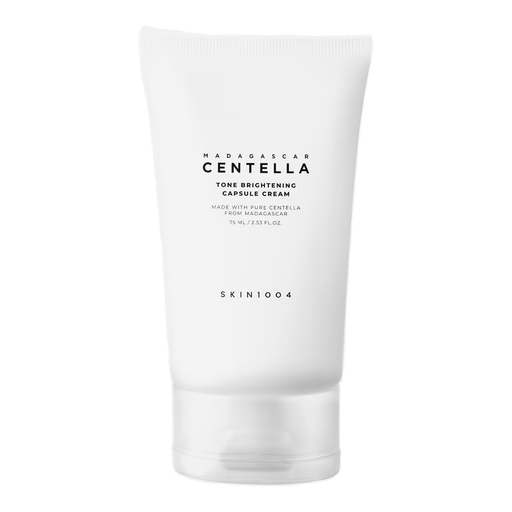
Why it suits this profile: This 75ml light gel cream combines centella, niacinamide and tranexamic acid. It’s a good option if you’re looking for an everyday Korean face cream with a lightweight texture.
The product information lists the percentages of niacinamide and tranexamic acid, as well as confirming that it’s alcohol-free and fragrance-free. This makes it easier to compare the formula than relying on the term brightening alone.
75ml; centella, panthenol, niacinamide and tranexamic acid; listed as vegan, alcohol-free and fragrance-free in the product specifications.
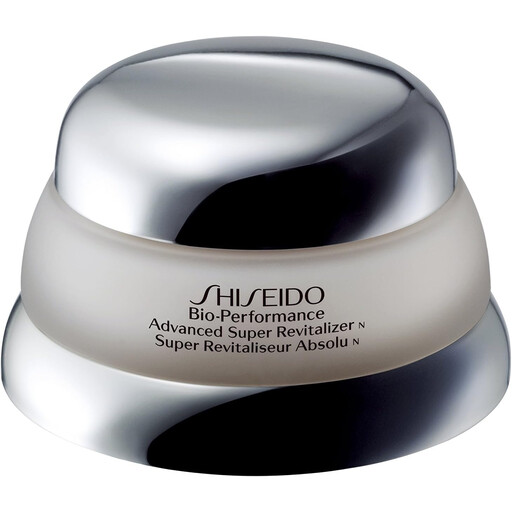
Why it suits this profile: This 50ml cream is a good fit if you’re looking for luxurious skincare and value a richer cream texture. Always check the latest ingredients list and consider your personal tolerance before buying.
This choice isn’t based on a luxurious look alone: size, cream consistency and full product information should all be taken into account.
Luxury skincare category; 50ml pack; worth considering as a richer cream in an evening routine.
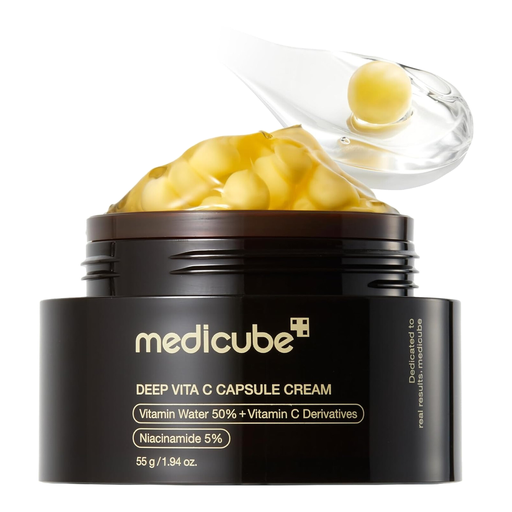
Why it suits this profile: This vitamin C cream is designed for people who deliberately choose an active brightening formula and are prepared to follow the directions carefully.
The packaging states that the cream isn’t intended for sensitive or damaged skin. This makes its usage limits clearer than a general claim about a radiant complexion.
55g; vitamin C capsules and several vitamin C derivatives according to the product description; the mixing ratio of capsules to gel can be adjusted.
We’ve put together a full, up-to-date list of products that meet these strict selection criteria and the applicable European safety regulations.
For most routines, applying it once in the morning and once in the evening works well. Apply the cream after cleansing and using any serums. During the day, also use a sun protection product if the cream itself doesn’t offer an appropriate SPF.
Check the best-before date and the period-after-opening symbol on the packaging. Store the pot or tube somewhere cool and dry, away from direct sunlight. A change in smell, colour or texture may be a reason to stop using the product.
Look for hydrating ingredients such as glycerine, panthenol, ceramides and hyaluronic acid. If you have sensitive skin, choose a fragrance-free formula where possible and introduce new active ingredients gradually. A patch test can help you assess your personal tolerance beforehand.
