
Vandaag of morgen in huis

Kwaliteit gegarandeerd

Welkomstaanbiedingen ontgrendelen: GRATIS bezorging | Tot 80% korting | Gratis 30 dagen JoyPlus-proefperiode
Download de app
A face cream might seem like a simple product, but the options vary widely in texture, ingredients and usage. A light gel cream can work well for normal or acne-prone skin, while a richer formula is better suited to dry skin. Terms like “barrier repair”, “anti-ageing” and “intensive hydration” only really mean something once you check the ingredients list and usage instructions.
Words like “restorative”, “soothing” or “anti-ageing” are no guarantee that a cream will deliver the same results for everyone. According to brands’ own product information, ingredients such as hyaluronic acid, ceramides, niacinamide or Centella Asiatica can contribute to hydration or a comfortable skin feel. That is different from a medical effect or a guaranteed impact on wrinkles, redness or acne.
So look at the full ingredients list, the skin types the product is described for, and any warnings. If you have sensitive skin, a patch test is wise.
A cream for dry skin often contains more oils, butters or occlusive ingredients. That can be pleasant for a tight feeling, but less suitable if you have oily or acne-prone skin. A light facial moisturiser usually absorbs more quickly and can work better under sunscreen or make-up.
Also pay attention to the difference between a day cream and a night cream. A day cream does not automatically contain a sun filter. Check the packaging if you are looking for UV protection. A night cream is often richer, but not every skin type needs that texture.
A product may be described as suitable for all skin types, yet the ingredients list still contains fragrance, essential oils or exfoliating substances. For example, Medicube Salmon DNA PDRN Pink Hyaluronic Moisturizing Cream lists fragrance. SOME BY MI Galactomyces Glutathione Brightening Cream includes lavender oil, fragrance, linalool and limonene.
Glycolic acid, vitamin C and other active ingredients can affect skin sensitivity. If you use a product with an AHA, it is recommended to pay extra attention to sun protection. If irritation, swelling or itching persists, stop using it and, if necessary, seek advice from a doctor or dermatologist.
First, choose based on your daily situation:
A hyaluronic acid cream often contains different forms of hyaluronic acid that help retain water in the upper skin layers. The product description of Torriden DIVE-IN mentions multiple forms of hyaluronic acid and a light, fast-absorbing texture. Isntree Hyaluronic Acid Moist Cream combines, according to the product information, five types of hyaluronic acid with argan and apricot oil.
A ceramide cream can be interesting if you are specifically looking for a skin barrier cream. Ceramides, cholesterol and fatty acids appear together in the ingredients list of The Ceramide Skin Barrier Moisturizer. Always check the current packaging, as ingredients can change per production batch or market.
Centella Asiatica and panthenol are often chosen in a soothing face cream. The SKIN1004 Madagascar Centella Hydrating Water Cream contains, according to the product description, Centella Asiatica, panthenol and TECA, and is intended for normal and sensitive skin.
Don’t just compare the price, but also the volume: 30, 50, 80 or 100 ml can make a big difference in cost per use. Check the shelf life information and the batch number on the packaging. Apply the cream to a clean face and don’t automatically use a large amount. For many products, a small amount is enough; follow the manufacturer’s instructions.
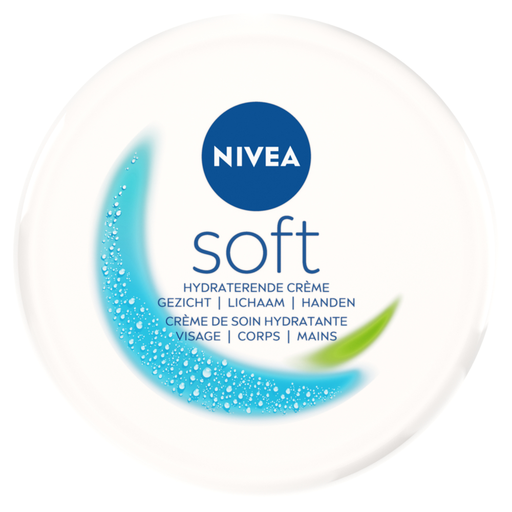
Why this fits the profile: The 200 ml tub is intended for face, hands and body, and suits anyone who wants to start with one simple product.
The product description mentions a light, fast-absorbing formula. Do check for fragrance and perfuming ingredients if your skin is sensitive to them.
200 ml volume, jojoba oil and vitamin E according to the product information; suitable for daily use on multiple body parts.

Why this fits the profile: The formula focuses on a combination of moisture and barrier-supporting ingredients for those who carefully compare ingredients lists.
The ingredients list includes ceramides, cholesterol, panthenol and multiple forms of hyaluronic acid. A patch test is still recommended.
80 ml volume; contains Ceramide NP, NS, AP, AS and EOP plus sodium hyaluronate according to the product information.
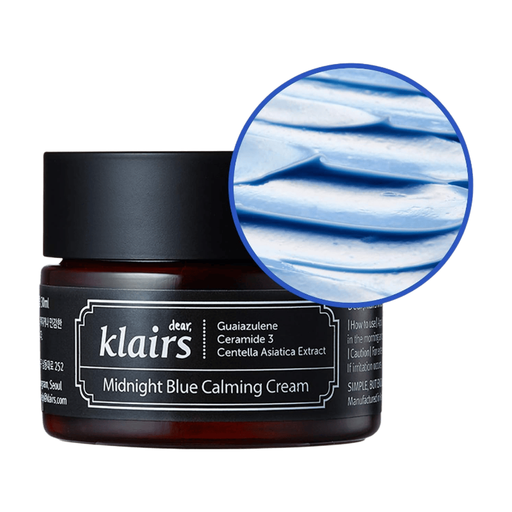
Why this fits the profile: According to the product description, this smaller cream is intended as a final evening step and for spot use on skin that feels uncomfortable.
The formula is fragrance-free according to the product information, and usage focuses on a small amount rather than a heavy layer over the whole face.
Contains Centella Asiatica, ceramide NP, hyaluronic acid and guaiazulene according to the ingredients list; volume 30 g.
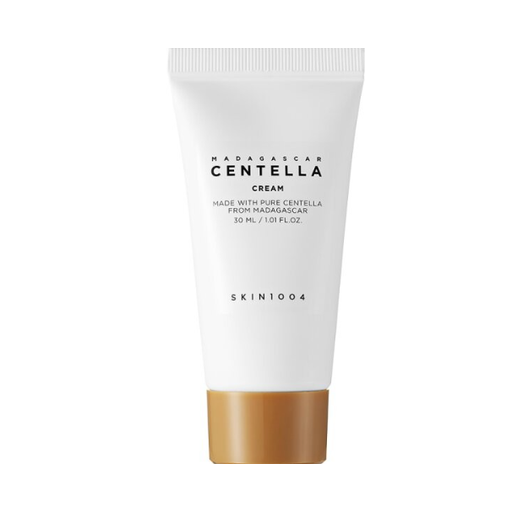
Why this fits the profile: According to the product description, this light water cream is intended for normal and sensitive skin and can be used under make-up or sunscreen.
The product information specifies a light, fast-absorbing texture. If you have sensitive skin, always check the current packaging first and test a small amount.
Contains Centella Asiatica, panthenol and TECA according to the product description; suitable for daily use and 30 ml volume.
We have put together a full, up-to-date list of products that fully meet these strict selection criteria and comply with current European safety regulations.
Most facial moisturisers can be used once or twice a day, depending on the product instructions and your skin. Apply the cream after cleansing and, if you use one, after a serum. Use sun protection during the day when necessary; a regular day cream is not automatically a sunscreen product.
Check the expiry date, the symbol for use after opening and the information on the packaging. Store the cream in a cool, dry place away from direct sunlight, and close the packaging properly. A change in smell, colour or texture may be a reason to stop using the product.
For dry skin, look for glycerine, panthenol, hyaluronic acid, ceramides, squalane and nourishing oils. For sensitive skin, fragrance-free formulas and a short ingredients list are often practical. Test a new product on a small area of skin first and stop if irritation occurs. A cosmetic cream does not replace medical treatment for eczema, psoriasis or persistent skin problems.
