
Vandaag of morgen in huis

Kwaliteit gegarandeerd

Welkomstaanbiedingen ontgrendelen: GRATIS bezorging | Tot 80% korting | Gratis 30 dagen JoyPlus-proefperiode
Download de app
A face cream should do more than simply feel pleasant. The formula needs to suit your skin type, your routine and the conditions in which you use the product. In the Netherlands, factors such as cold weather, dry indoor air and daily use under sun cream or make-up also play a part.
Many consumers pay too much for a product that does not meet their needs. So do not focus only on words such as “glow”, “deep hydration” or “anti-ageing”. Check the ingredients list, texture and usage advice.
Brands use terms such as “repairing”, “lifting” or “refines pores”. Such claims do not automatically apply to every user. According to a brand’s own research or the product description, a formula may have certain properties, but that is no guarantee for your skin.
So look for verifiable information:
A cream for dry skin often contains more oils, butters or occlusive ingredients. This can feel comfortable when your skin feels tight, but a heavy texture is not always pleasant on oilier skin.
A gel cream for the face or a lightweight face moisturiser may be more practical. These products generally absorb more quickly and are less likely to leave a shiny or sticky layer behind. However, bear in mind that “lightweight” does not automatically mean that a formula will suit everyone.
A face cream for sensitive skin should be introduced carefully. Natural extracts and fragrances can also cause a reaction in some people. Products containing fragrance, denatured alcohol or acids deserve extra attention if your skin becomes red or tingly easily.
Test a new product on a small area of skin first. Stop using it if irritation persists and always follow the safety information on the packaging.
Hyaluronic acid or sodium hyaluronate is often used in a hydrating face cream. The ingredient can help retain water on the skin’s surface, but the overall formula determines how comfortable and hydrated your skin feels over time.
Useful combinations include:
A cream containing several forms of hyaluronic acid may sound appealing, but check the rest of the ingredients list and make sure the texture is right for you.
Use this practical guide:
Apply face cream to cleansed skin, usually after serum and before sun cream during the day. A pea-sized amount is often a practical starting point, but follow the manufacturer’s instructions.
Also check:
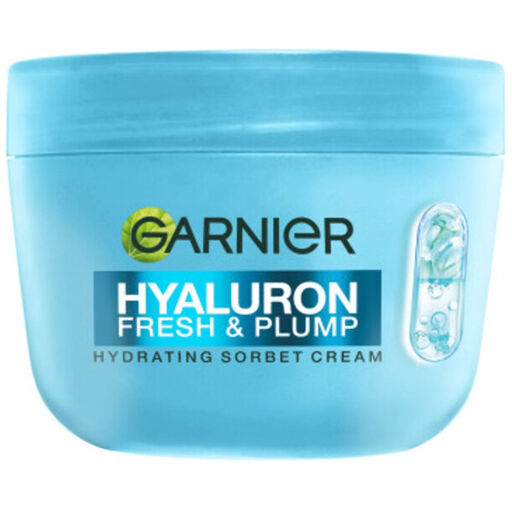
Why it suits this profile: The sorbet texture is suitable for anyone looking for a daily face moisturiser with a fresh feel on the skin. The packaging contains 85 ml and the cream is intended for use after serum on a cleansed face.
The product information specifically lists glycerine, niacinamide, aloe vera and sodium hyaluronate. However, check for fragrance, alcohol denat. and salicylic acid if your skin is sensitive to them.
Fresh sorbet texture; contains glycerine, niacinamide and hyaluronic acid; clear safety warning regarding eye contact.
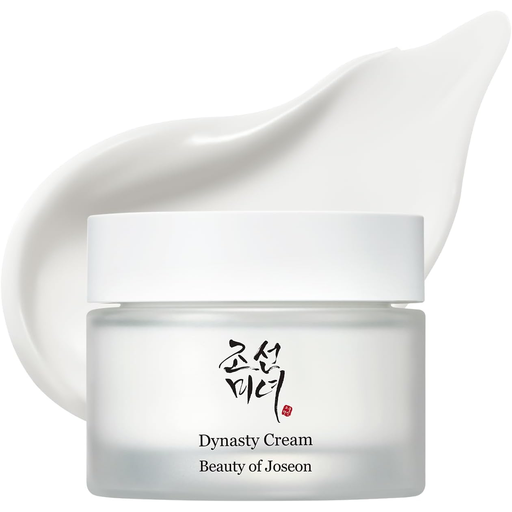
Why it suits this profile: This Korean face cream has a richer, creamy texture and contains glycerine, niacinamide, panthenol, squalane and sodium hyaluronate, among other ingredients.
The ingredients list allows you to compare the formula rather than relying solely on its appearance or Korean skincare terminology.
Rich cream formula; 100 ml according to the product listing; contains niacinamide, squalane and several plant extracts.

Why it suits this profile: According to the product description, this gel cream contains 77% oat seed water and is intended for daily use in the morning and evening. The lightweight texture suits anyone who dislikes a greasy feel.
The formula uses a gel texture and lists panthenol, squalane and beta-glucan. Check the ingredients beforehand if you have any known allergies.
100 ml contents; lightweight gel cream; contains oat seed water, panthenol, squalane and beta-glucan.
We have put together a complete, up-to-date list of products that fully meet these strict selection criteria and the applicable European safety regulations.
For most routines, once in the morning and once in the evening is practical. Apply the cream after cleansing and any serums. During the day, also use a sun cream offering suitable protection. If you have oily skin, a smaller amount may be sufficient.
This varies by product. Check the open-jar symbol and the information on the packaging. Store the cream as instructed, close the jar or tube securely and do not use a product that smells different, has changed colour or has altered in texture.
Ideally, choose a formula whose ingredients you can check carefully. A fragrance-free face moisturiser may be a sensible starting point, but individual reactions are still possible. Test a small amount first and stop using it if irritation occurs. If you have persistent skin concerns, seek medical advice.
