
Vandaag of morgen in huis

Kwaliteit gegarandeerd

Welkomstaanbiedingen ontgrendelen: GRATIS bezorging | Tot 80% korting | Gratis 30 dagen JoyPlus-proefperiode
Download de app
Buying a new face cream seems simple, until you have to choose between hydration, SPF, anti-ageing ingredients and a formula for sensitive skin. Marketing copy does not always make the choice clearer. A cream may, for example, be rich in plant extracts but still contain perfume. A day cream with SPF can be convenient, but may not provide enough protection for a long day outdoors.
With this practical selection guide, you can compare face creams based on verifiable features such as skin type, ingredients, SPF, size and when to use them.
Terms such as “repairing”, “rejuvenating” or “reduces dark spots” sound convincing. However, results vary depending on your skin, how you use the product and the formula itself. According to NIVEA’s own research, for example, the VITAL Soy Anti-Aging Protective Day Cream provides a visible improvement in elasticity within one week and a reduction in deep wrinkles after two weeks. These are brand claims from a product description, not results guaranteed for every user.
So, make sure you also check the ingredients list. Ceramides, glycerine, hyaluronic acid and panthenol all have a clear role in a moisturising formula, but they do not, on their own, tell you everything about its texture or how well your skin will tolerate it.
A day cream with SPF 15, SPF 25 or SPF 30 may be suitable for everyday use, but the level of protection depends on how much you apply and whether you reapply it. For prolonged sun exposure, exercise or days at the beach, a separate sunscreen for your face or a body sunscreen with a suitable SPF is more practical.
An SPF product also does not automatically protect you in every situation. Look for information about UVA and UVB protection, water resistance and the advice provided on the packaging.
A cream for sensitive skin is not simply a matter of choosing a lightweight texture. Also check whether the formula contains perfume, denatured alcohol or known fragrance ingredients. NIVEA Essentials Nourishing Day Cream, for example, contains perfume and states that fragrance ingredients may cause allergic reactions. This does not make the product unsuitable for everyone, but it is relevant if your skin reacts easily.
For dry skin, ingredients such as glycerine, shea butter, argan oil, squalane and ceramides may be worth looking for. A face cream for dry skin often has a richer texture. For oily or combination skin, a lighter, fast-absorbing cream may feel more comfortable.
A barrier-repairing cream often contains lipids that complement the skin’s natural barrier. According to the product information, Dr. Althea 147 Barrier Cream combines seven types of hyaluronic acid with ceramides, vitamin E and guaiazulene. The blue colour is said to come from guaiazulene derived from chamomile flowers.
Use a cream with SPF mainly in the morning. Check:
SPF 30 can be found in several everyday formulas, including NIVEA Essentials Nourishing Day Cream and NIVEA MEN Sensitive Daily Protective Moisturizing Cream. For intensive outdoor activities, products with SPF 50 or SPF 50+ make more sense. According to the manufacturer, NIVEA SUN Protect & Hydrate Ultra SPF50+ is described as very water-resistant. The stated water resistance does not remove the need to reapply after swimming, drying yourself or perspiring.
Pay attention to where ingredients appear in the list. Glycerine and hyaluronic acid are often used for hydration. Ceramide NP, cholesterol and phytosphingosine are found in The Ceramide Skin Barrier Moisturizer. For sensitive skin, a short, fragrance-free formula may be easier to assess than a product containing numerous fragrances and extracts.
If you want a cream for dark spots, also look at the combination of active ingredients and sun protection. According to the product description, NIVEA Cellular LUMINOUS630 Anti-Pigment Day Cream contains Thiamidol, vitamin E, hyaluronic acid and SPF 50. The manufacturer refers to a clinical study involving 43 women for the stated results. Treat this as brand information and follow the instructions on the packaging.
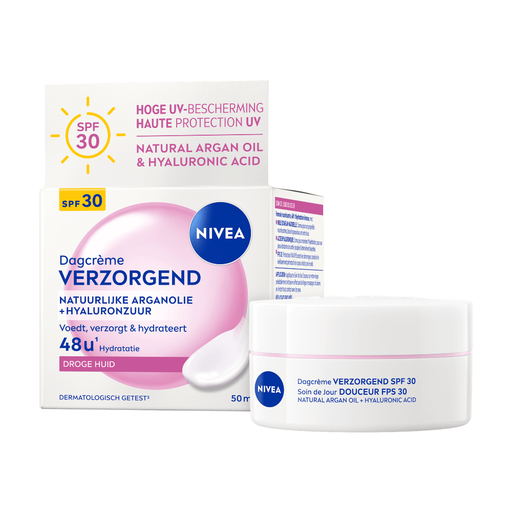
Why it suits this profile: This day cream combines care for dry skin with SPF 30, hyaluronic acid, argan oil and shea butter in a 50 ml pack. That makes one product suitable for your morning routine.
The product information clearly states the skin type, SPF and ingredients. However, check whether perfume is suitable for your skin.
SPF 30, hyaluronic acid, argan oil and 50 ml capacity.
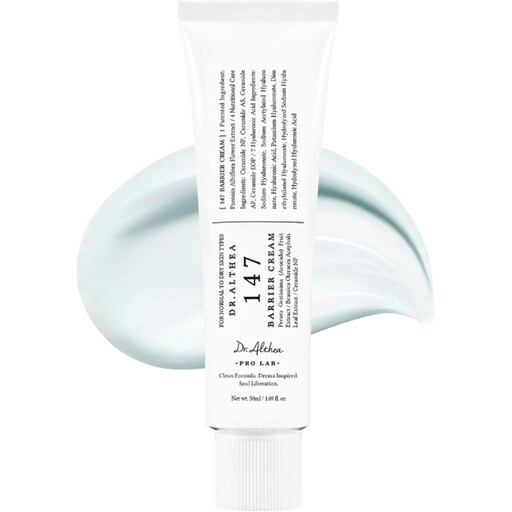
Why it suits this profile: The formula focuses on moisture and the skin barrier, with seven types of hyaluronic acid, ceramides, vitamin E and guaiazulene. It is suited to anyone looking for Korean skincare with a nourishing texture.
The ingredients and purpose of the cream are specified. No SPF is stated, so use separate sun protection during the day.
Seven types of hyaluronic acid, ceramides and 50 ml capacity.
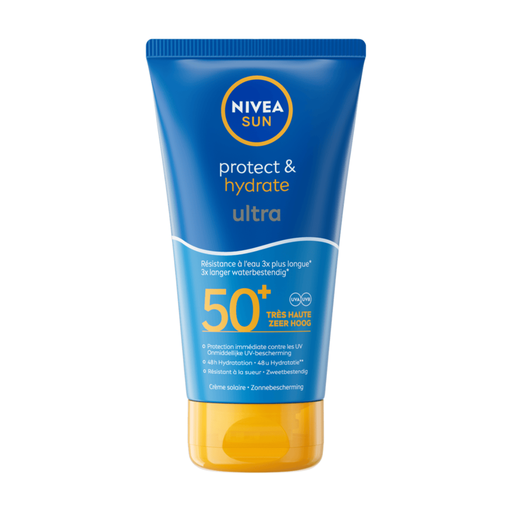
Why it suits this profile: For days at the beach, walking and other outdoor activities, a separate sunscreen with SPF50+ is more practical than relying on a day cream alone. The packaging states that it has a very water-resistant formula.
The SPF, UVA/UVB protection and water resistance are listed separately. Reapplication is still necessary after swimming or drying yourself.
SPF50+, hydration and a very water-resistant product designation.
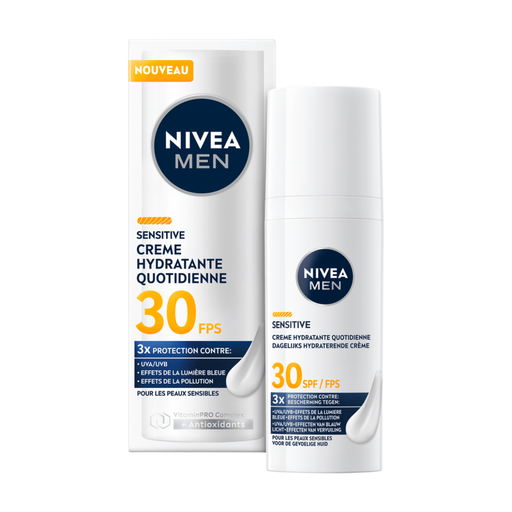
Why it suits this profile: The lightweight formula is designed for sensitive men’s skin and contains glycerine, panthenol, liquorice and chamomile extracts. SPF 30 makes the cream suitable for use in the morning.
The product description specifies the SPF, skin type, texture and intended use. Perfume is also listed among the ingredients, so check the packaging if you are sensitive to fragrances.
SPF 30, lightweight texture and 50 ml capacity.
We have put together a complete, up-to-date list of products that fully meet these strict selection criteria and the applicable European safety regulations.
Choose a formula with moisturising and soothing ingredients such as glycerine, hyaluronic acid, shea butter, argan oil or ceramides. A richer cream may feel comfortable if your skin feels tight. If you also experience irritation easily, pay particular attention to perfume and fragrance ingredients.
For short periods outdoors as part of your daily routine, a day cream with SPF may be suitable. For prolonged exposure, exercise or swimming, a separate sunscreen for your face or body is more appropriate. Apply enough product and reapply as directed on the packaging.
Follow the expiry date or the period-after-opening symbol on the packaging. Close the jar or tube securely and do not store the product in direct sunlight. If the smell, colour or texture changes noticeably, stop using the cream.
