
Vandaag of morgen in huis

Kwaliteit gegarandeerd

Welkomstaanbiedingen ontgrendelen: GRATIS bezorging | Tot 80% korting | Gratis 30 dagen JoyPlus-proefperiode
Download de app
Buying a face cream seems simple, until you have to choose between a hydrating face cream, an anti-ageing cream, a cream for dry skin or a lightweight facial moisturiser. Marketing copy often uses terms such as “repair”, “lifting” and “intensive action”, but these words don’t always tell you whether a product is right for your skin.
As a Joybuy Product Recommendation Officer, I start by looking at information you can check: skin type, texture, ingredients, size and directions for use. This helps you avoid paying for a formula that’s too rich, too light or unsuitable for your routine.
Ceramides, retinol, niacinamide, centella and hyaluronic acid can all be useful ingredients, but one ingredient alone won’t determine the results. Pay attention to the rest of the formula, too, and to how you use the product.
A ceramide cream, for example, may suit dry or sensitive skin, while you should introduce a retinol cream gradually. A fragranced formula may smell pleasant, but it won’t feel comfortable for everyone.
Creams for dry skin often contain more oils, butters or occlusive ingredients. These can feel soothing when your skin feels tight, but oily or combination skin may prefer a gel or lightweight lotion.
Look for terms such as oil-free, gel, lotion or emulsion, but check the full product description, too. “Lightweight” is a marketing term; the texture and ingredients list give you more to go on.
Brands may claim that their product reduces wrinkles, lifts the skin or supports collagen. Don’t present these claims as established facts. A brand’s own research may find measurable visible effects under specific conditions, but this doesn’t guarantee the same results for every user.
When choosing an anti-ageing cream, pay particular attention to the active ingredient, its concentration if stated, and the directions for use. It’s important to introduce retinol gradually. During the day, also use a sunscreen with an appropriate level of protection.
Commonly used hydrating ingredients include glycerine, panthenol, hyaluronic acid and sodium hyaluronate. They can help retain moisture or make your skin feel more comfortable.
For skin barrier care, look for ceramide NP, ceramide AP, ceramide EOP, fatty acids and squalane on the label. A centella cream may appeal if you’re looking for a soothing, caring texture. According to product information from various brands, centella is used to care for sensitive or stressed skin; this is not a medical claim.
Don’t compare just the price of a jar. A 20 ml product may cost more per millilitre than a 50, 100 or 125 ml pack. Also check:
It’s best to test a new formula on a small area of skin first. Stop using it if irritation persists, and follow the instructions on the packaging.
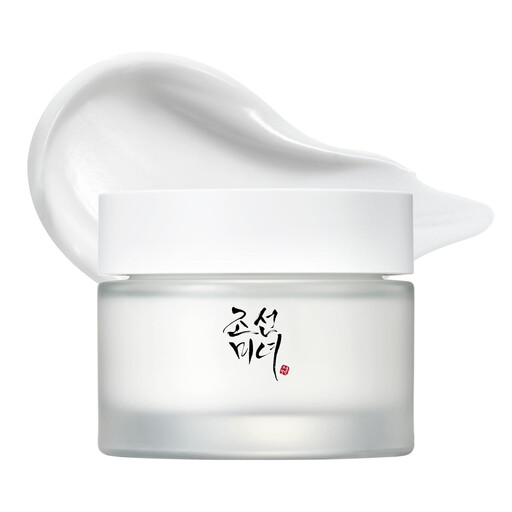
Why it suits this profile: According to the product information, this day cream is designed to hydrate and has a creamy yet lightweight-feeling formula. The ingredients include rice water, ginseng water, niacinamide, honey extract and ceramide NP.
The product information gives details about both the texture and the ingredients, so you don’t have to rely solely on an anti-ageing or glow claim.
50 ml; face day cream; fragrance-free according to the product details; contains ceramide NP and niacinamide.
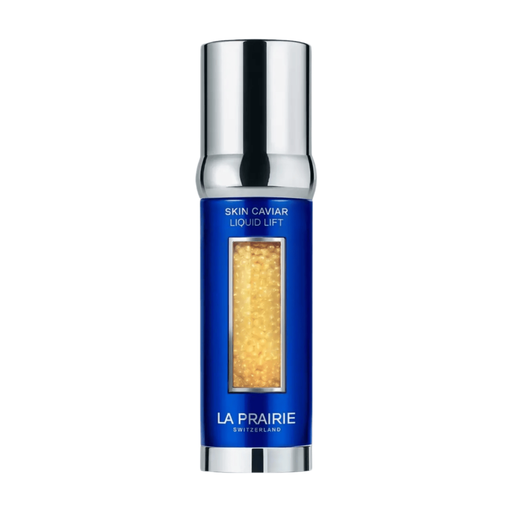
Why it suits this profile: According to the product details, this is a serum rather than a traditional face cream. It’s a good fit if you’re looking for a luxurious, fluid-textured layer to add to a more extensive routine.
The product category is clearly listed as a serum. This means you can combine it correctly with a separate cream rather than confusing the two.
50 ml; fluid texture; according to the ingredients list, contains hyaluronic acid, peptides and ceramide NP, among other ingredients.
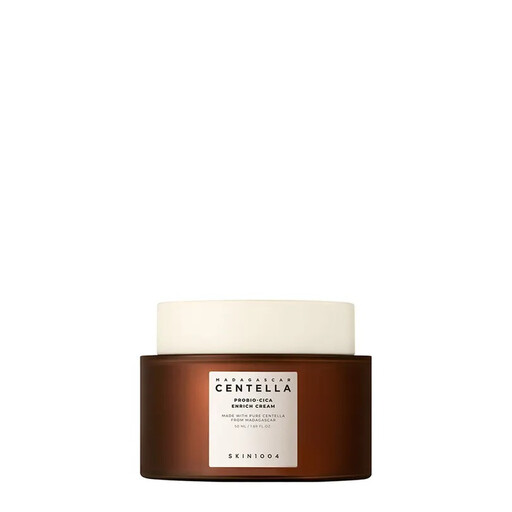
Why it suits this profile: According to the product description, this rich cream is designed for dry and dehydrated skin. The formula lists fermented centella, Probio-Cica, TECA, ceramide NP and seed oils.
The product description clearly states which skin concern the cream is intended for and describes its texture. This reduces the chance of choosing a cream that’s too light for dry skin.
50 ml; concentrated cream; contains ceramide NP and centella ingredients; designed to be the final step in your routine.
We’ve put together a complete, up-to-date list of products that meet these strict selection criteria and comply with current European safety regulations.
That depends on the formula and your skin type. Many moisturisers are designed for morning and evening use, but always follow the label. Apply the cream to clean skin. During the day, apply sunscreen after your skincare if your skin will be exposed to UV rays.
Check the best-before date and the open-jar symbol on the packaging. Store the cream in a cool, dry place away from direct sunlight. A change in smell, colour or texture may be a reason to stop using the product.
You can often use them as part of the same routine, but introduce retinol gradually. Use a small amount and increase how often you apply it according to the product instructions. A simple hydrating cream afterwards can help keep your skin comfortable. Stop if you experience obvious irritation, and seek advice from a doctor or dermatologist if symptoms persist.
