
Vandaag of morgen in huis

Kwaliteit gegarandeerd

Welkomstaanbiedingen ontgrendelen: GRATIS bezorging | Tot 80% korting | Gratis 30 dagen JoyPlus-proefperiode
Download de app
A face cream seems simple enough to choose – until you’re standing in front of a shelf or scrolling through a long online product list. Are you looking for a hydrating face cream for dry skin, a lightweight gel cream for the face, or perhaps a cream for the skin barrier? The right choice doesn’t just depend on the brand or the packaging.
As a Joybuy Product Recommendation Officer, I filter product information by verifiable points such as ingredients, texture, volume and stated skin type. This way, you avoid paying for a promise that doesn’t suit your skin or routine.
A cream with hyaluronic acid can help attract moisture, but that doesn’t automatically mean the formula is suitable for dry skin. Also look at emollient and occlusive ingredients, such as glycerine, oils, shea butter, silicones or ceramides.
For long-lasting comfort, the combination matters. A lightweight gel cream can feel pleasant on oily or combination skin, while a richer cream may be better suited to dry skin or a tight feeling.
The term “soothing” is no guarantee that a product is suitable for everyone. Check for perfume, essential oils and known fragrance allergens. For example, the Dear, Klairs Rich Moist Soothing Cream contains lemon, lavender, orange, geranium, ylang ylang and eucalyptus oil. According to the product information, these ingredients may cause an allergic reaction in some users.
Therefore, always test a face cream for sensitive skin on a small area first. Stop if you experience redness, swelling, itching or a burning sensation.
Claims such as “24-hour hydration”, “100 hours of moisture” or “skin barrier repair” come from product communication. Do not treat them as a universal guarantee. According to a brand’s own research or tests, certain results may have been measured under specific conditions; the outcome can vary from person to person.
Instead, focus on concrete information:
Dry skin: choose a moisturiser for dry skin with humectants such as glycerine or hyaluronic acid, supplemented with richer ingredients like shea butter, squalane, jojoba oil or ceramides.
Normal skin: a cream with a medium texture is often practical for daily use. If you prefer to compare multiple options, you can also look at the category cream for normal skin.
Combination or oily skin: a gel cream for the face usually feels lighter. Look for oil-free or non-comedogenic product information if you quickly experience a heavy or clogged feeling.
Sensitive skin: a short, straightforward formula without perfume can be a logical first choice. Always perform a patch test, even when a brand describes the product as mild.
A cream with hyaluronic acid often contains different forms of hyaluronic acid, such as sodium hyaluronate or hydrolyzed hyaluronic acid. Isntree Hyaluronic Acid Moist Cream lists five types of hyaluronic acid, plus argan and apricot kernel oil. The gel-cream texture can suit those seeking hydration without a very heavy finish.
Glycerine, panthenol, beta-glucan and betaine are other commonly used hydrating ingredients. Their presence doesn’t mean a product is equally pleasant for every skin type, but they do help you compare formulas objectively.
A cream with ceramides can be interesting when you are primarily looking for skin barrier support. Ceramide NP, cholesterol, fatty acids and lecithin appear in various barrier-focused formulas. The Ceramide Skin Barrier Moisturizer lists multiple ceramides, cholesterol, squalane, panthenol and different forms of hyaluronic acid.
Also pay attention to your personal preferences. A rich formula can be comfortable for dry skin, but may feel less pleasant on oily skin. Conversely, a lightweight gel cream might be insufficient in winter when your skin quickly feels tight.

Why This Fits Their Persona: A straightforward Korean face cream for those seeking daily hydration who enjoy a gel-cream texture.
The product information lists five types of hyaluronic acid and states that the formula contains no ethanol. Always check the current packaging.
100 ml volume; hyaluronic acid, glycerine, argan oil and ceramide NP are listed in the ingredients.

Why This Fits Their Persona: Suits users who base their choice primarily on ceramides, cholesterol, squalane and panthenol.
The product page lists multiple ceramides and advises a patch test. This makes the selection more verifiable than simply relying on the name “barrier”.
80 ml volume; ceramide NP, NS, AP, AS and EOP are listed in the ingredients.
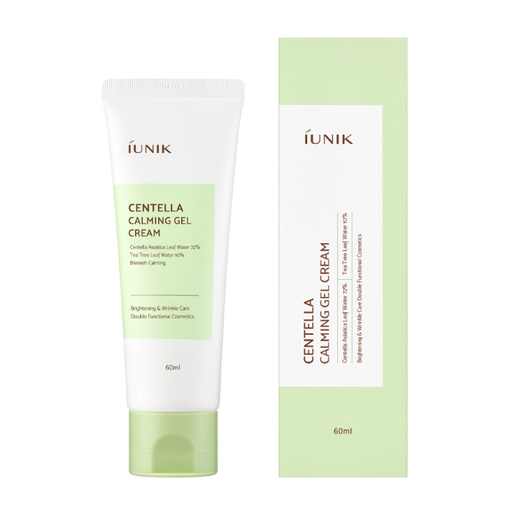
Why This Fits Their Persona: The lightweight gel texture suits those who want moisture during the day without a heavy or sticky feeling.
The product description explicitly mentions a non-sticky gel cream that, according to the brand, does not clog pores. This remains a brand claim, not a personal guarantee.
Centella, tea tree extract, niacinamide and adenosine; suitable for a light daily routine.
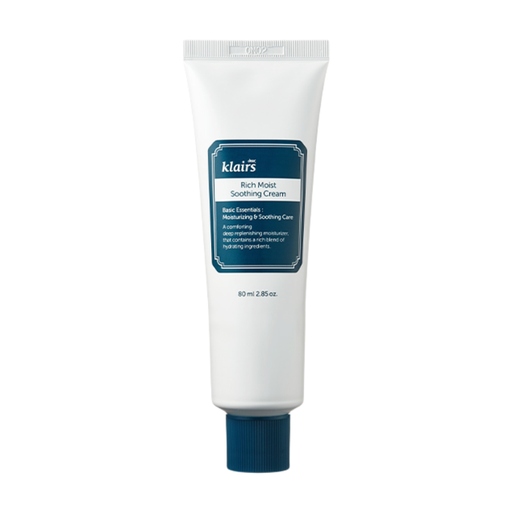
Why This Fits Their Persona: An option for those seeking a nourishing Korean face cream for evening use or for dry skin.
The ingredient list is visible and includes shea butter, jojoba oil, beta-glucan, sodium hyaluronate and ceramide NP. Be aware of the essential oils present.
80 g volume; combination of humectants, oils, shea butter and ceramide NP.
Browse a current selection of face creams and compare texture, skin type, ingredients and volume before you order.
Check the expiry date and the symbol of the open jar on the packaging. Some products, for example, state six months after opening. Store the cream in a cool, dry place away from direct sunlight, and close the packaging tightly.
Start with a small amount, roughly the size of a pea for the face. Spread the cream over clean skin and adjust the amount to your texture and skin needs. A layer that is too thick can feel sticky or combine less well with sunscreen and make-up.
Yes, you can if the formula feels pleasant and fits your routine. During the day, apply a sunscreen product after your face cream. If you have sensitive skin, it is wise to introduce new products one at a time, so you can more easily determine what your skin reacts to.
