
Vandaag of morgen in huis

Kwaliteit gegarandeerd

Welkomstaanbiedingen ontgrendelen: GRATIS bezorging | Tot 80% korting | Gratis 30 dagen JoyPlus-proefperiode
Download de app
Buying a face cream might seem straightforward, until you have to choose between a gel cream, a rich moisturiser, a Korean face cream or a formula with niacinamide. Marketing copy often promises a radiant complexion, long-lasting hydration or a stronger skin barrier. Yet a bold claim doesn’t always tell you whether the cream will actually work well for your skin type.
Instead, pay close attention to the ingredients list, texture, volume and usage instructions. That way, you can avoid buying a large pot that feels too greasy, pills under make-up or causes irritation.
A face cream with hyaluronic acid can help lock moisture into the outer layer of skin, but hyaluronic acid isn’t the only factor that determines how comfortable a formula feels. Glycerine, oils, silicones, ceramides and occlusive ingredients also play a part.
The same goes for a face cream with niacinamide. The presence of niacinamide doesn’t automatically tell you how much is in the product or how your skin will react to it. Check the full ingredients list and introduce new products gradually.
A cream for dry skin often contains more emollients and occlusive ingredients. That can be pleasant if you have a tight feeling, but on oily or combination skin, such a formula may feel heavy. A gel cream for the face is often more practical, especially during the day or under make-up.
A cream can be hydrating and still contain fragrance, essential oils or other ingredients that your skin doesn’t tolerate well. If you’re looking for a cream for sensitive skin, it’s wise to look at fragrance-free options, a short ingredients list and clear safety instructions. Always test a new product on a small area of skin first. If you experience persistent redness, itching or swelling, stop using it and consult a doctor or dermatologist if needed.
Ingredients are usually listed in descending order of concentration, although there are exceptions for ingredients used in small amounts. Look out for:
Brands may support performance claims with their own data, but don’t treat such claims as guarantees. According to the product description of Medicube, for example, the Deep Vita C Capsule Cream contains 5% niacinamide, vitamin C derivatives and sea buckthorn water. These are verifiable product details; the effect on the skin can vary from user to user.
Don’t just compare the price of a pot or tube. Divide the price by the number of millilitres or grams and pay attention to the dispensing method. A pump bottle can be hygienic and practical, while a pot requires a spatula to minimise direct contact with the cream.
Always check the expiry date and the period after opening on the packaging. The official ingredients list on the label is the definitive source, as formulas can change.
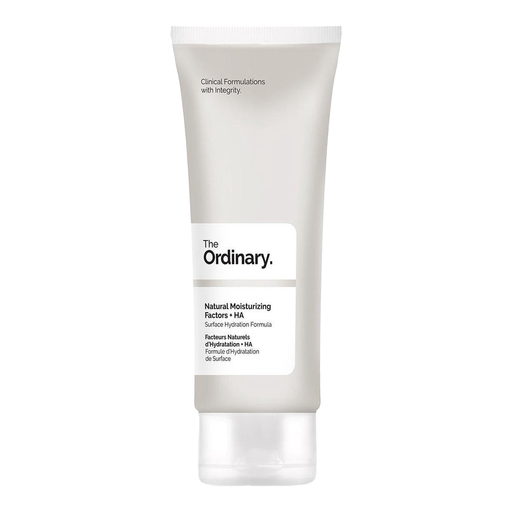
Why this fits the profile: A straightforward choice for anyone looking for a daily facial moisturiser without fragrance, oil or silicones, according to the product description.
The formula focuses on moisturising factors and a non-greasy texture, without a long list of flashy active claims.
100 ml volume; contains glycerine, amino acids and hyaluronic acid among others, according to the stated ingredients list.

Why this fits the profile: The gel cream is suitable for anyone looking for a fresh, fragrance-free formula that can also be worn under make-up.
The product details state that the formula is alcohol-free, fragrance-free, paraben-free and phthalate-free. This makes the composition more verifiable for users who want to avoid these substances.
Gel cream texture; suitable for dry, very dry, combination and oily skin according to the product information.
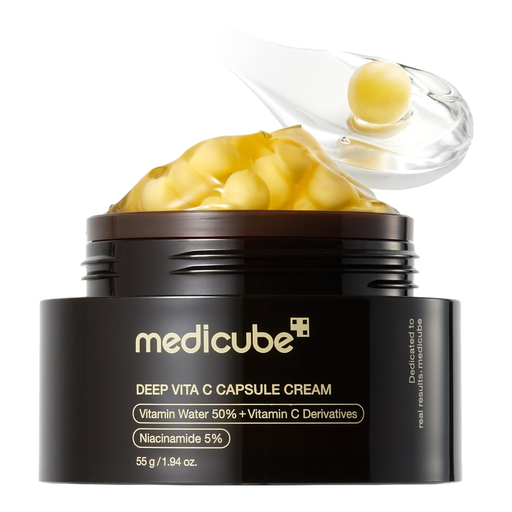
Why this fits the profile: Interesting for users looking for a Korean face cream with multiple active ingredients and an adjustable texture.
The two components can be mixed to your preference, according to the product description. Start with a small amount and use sun protection during the day.
Contains niacinamide, vitamin C derivatives, ferulic acid and sodium hyaluronate according to the ingredients list.
We’ve put together a full, up-to-date list of products that fully meet these strict selection criteria and comply with current European safety regulations.
For most routines, a small amount after cleansing is sufficient, usually in the morning and evening. Follow the product’s usage instructions. During the day, a separate sunscreen with appropriate protection should be part of your routine, especially if you use products with exfoliating acids or retinoid ingredients.
Check the expiry date and the jar symbol showing the period after opening. Store the cream according to the instructions, usually in a cool, dry place away from direct sunlight. If the scent, colour or texture changes, stop using the product.
Choose a cream for sensitive skin with a clear ingredients list and without fragrance if you are sensitive to it. A patch test is advisable. Even a product that the brand claims is hypoallergenic or dermatologically tested does not guarantee that everyone will tolerate it without issues. Always check the current label and stop using it if irritation occurs.
