
Vandaag of morgen in huis

Kwaliteit gegarandeerd

Welkomstaanbiedingen ontgrendelen: GRATIS bezorging | Tot 80% korting | Gratis 30 dagen JoyPlus-proefperiode
Download de app
Choosing a face cream might seem straightforward, but products vary widely in their ingredients, texture and how they’re used. A hydrating face cream can be a good choice for everyday use, while a barrier-repair cream may be better suited to dry or easily irritated skin. If you’re mainly looking to address fine lines, blemishes or a dull complexion, you might consider an anti-ageing cream, retinol cream or Korean skincare cream.
The right choice isn’t about eye-catching packaging or bold marketing claims. Start by considering your skin type, the ingredients list and how you plan to use the cream.
More ingredients don’t automatically mean a facial moisturiser is a better fit for your skin. Glycerin, hyaluronic acid, panthenol, ceramides and squalane each have a different purpose. A formula with several humectants can attract moisture, while oils and emollient ingredients help keep the skin’s surface supple.
Pay attention to perfume and fragrance, too. They aren’t a problem for everyone, but a fragrance-free formula can be a practical choice if you’re looking for a cream for sensitive skin.
Terms such as ‘repair’, ‘lifting’, ‘rejuvenation’ or ‘deep absorption’ often come from a brand’s product marketing. A brand’s own research may suggest that certain ingredients can make skin look smoother or firmer, but these claims don’t guarantee the same results for every skin type.
Instead, use information you can check as your guide: the ingredients, size, directions for use, warnings and suitability for a particular skin type.
A lightweight gel cream can feel pleasant on combination or oilier skin, but may not be comfortable enough if you need a cream for dry skin. A rich cream, on the other hand, can feel too heavy if you prefer a mattifying finish during the day.
Also check the volume in millilitres. A large pot isn’t always better value if you only use the formula on specific areas or a few times a week.
A ceramide cream may suit you if you want to give your skin barrier extra attention. Centella asiatica is often used in a Centella cream to help skin feel comfortable. For example, according to its product description, SKIN1004 contains Centella asiatica and ceramide.
If you’re using a retinol cream, it’s important to introduce it gradually. According to the product information, The Retinol 0.1 Cream contains 0.1% retinol, as well as hyaluronic acid and panthenol. Retinol can cause sensitivity or dryness. Follow the directions, avoid contact with your eyes and stop using it if you experience noticeable irritation.
Apply face cream to clean skin as the last or second-to-last step in your routine. Check the expiry information on the packaging and make a note of when you open the pot. A product in a pot is also exposed to air and fingers more often than one in a pump bottle.
Test new products on a small area of skin first. If you experience redness, swelling or persistent irritation, stop using the product and seek advice from a doctor or pharmacist if needed. Cosmetics aren’t medicines and don’t treat skin conditions.
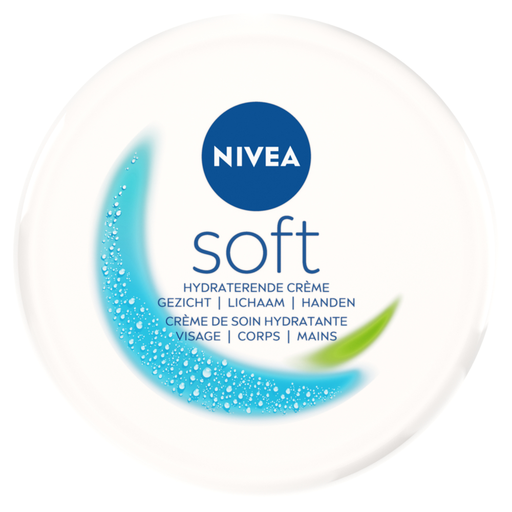
Why it suits this profile: An affordable cream for anyone looking for one lightweight formula for their face, hands and body. The product information lists jojoba oil, vitamin E and a fast-absorbing texture.
The volume and wide range of uses are clearly stated. Check whether perfume and fragrance are suitable for your skin.
200 ml, suitable for face and body, with jojoba oil and vitamin E according to the product information.
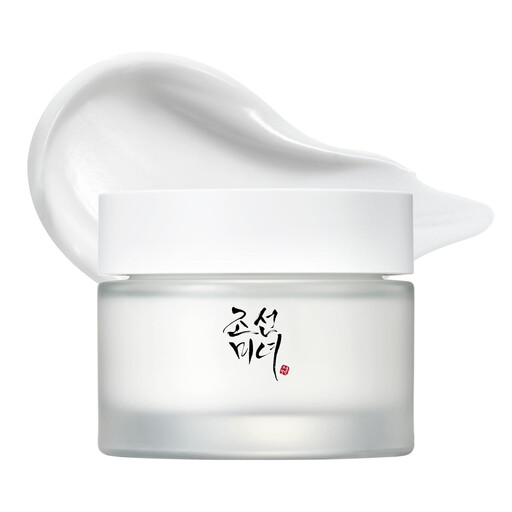
Why it suits this profile: A Korean skincare cream for anyone who wants more than hydration and also values a creamy texture and a comprehensive formula.
The product details list 50 ml, a fragrance-free formula and ingredients such as rice water, ginseng water, niacinamide and ceramide NP.
Creamy formula, 50 ml and several hydrating ingredients according to the product description.
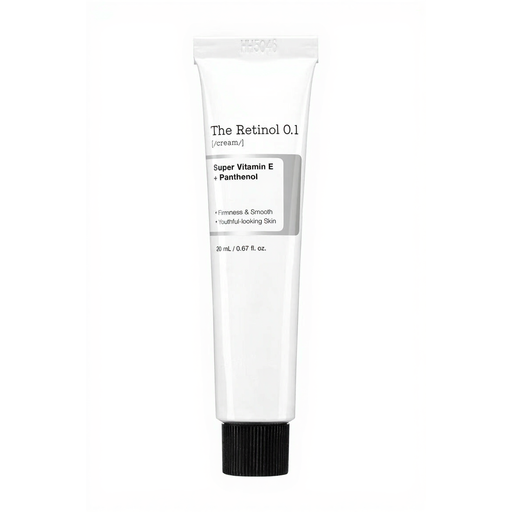
Why it suits this profile: For anyone looking to add a retinol product to their evening routine for a specific purpose, and who is happy to introduce it gradually.
The 0.1% retinol concentration is stated, so you can compare the formula without relying solely on the term anti-ageing.
0.1% retinol, 20 ml, plus hyaluronic acid and panthenol according to the product description.

Why it suits this profile: The formula is designed to support moisture and the skin barrier, with panthenol, three types of ceramide, hyaluronic acid, squalane and Centella asiatica in the ingredients list.
The ingredients list shows which ceramides and supporting ingredients are included. Always check the current packaging.
100 ml, ceramides NP, AP and EOP, panthenol and Centella asiatica according to the product details.
We’ve put together a complete, up-to-date list of products that meet these strict selection criteria and current European safety regulations.
It depends on your skin and the product instructions. Many moisturisers are designed for daily use in the morning and evening. Apply a small amount to clean skin. During the day, also use a sun protection product when your skin is exposed to UV rays.
Check the expiry date and the period-after-opening symbol on the packaging. Store the cream somewhere cool and dry, away from direct sunlight. If its smell, colour or texture changes noticeably, stop using it.
Choose a formula with as few potential irritants as possible, and check whether the product is described as non-comedogenic. A cream for acne-prone skin isn’t an acne treatment. Stop using it if irritation occurs, and seek medical advice if symptoms persist.
