
Vandaag of morgen in huis

Kwaliteit gegarandeerd

Welkomstaanbiedingen ontgrendelen: GRATIS bezorging | Tot 80% korting | Gratis 30 dagen JoyPlus-proefperiode
Download de app
A face cream might seem simple to pick, until you have to decide between a day cream, night cream, gel cream or a moisturiser for a specific skin need. Marketing terms like “for all skin types”, “natural ingredients” and “long-lasting hydration” don’t always tell you enough about the everyday user experience.
With this guide, you can compare face creams based on skin type, texture, ingredients, size and when you use them. That way, you’ll avoid a purchase that feels too greasy, stings straight away, or ends up sitting unused in the cupboard after a few weeks.
A cream that the product description says is suitable for all skin types might feel fine on dry skin, but too rich for oily or blemish-prone skin. So also look at the consistency: a full cream, lotion, gel or gel-cream all feel different on the skin.
For a face cream for dry skin, ingredients like glycerine, shea butter, petrolatum, dimethicone or hyaluronic acid are worth checking. If you’re looking for a face cream for oily skin, you’re better off focusing on an oil-free, lightweight or non-comedogenic formula.
A brand might talk about a stronger skin barrier, less visible lines or long-lasting hydration. Don’t treat such claims as guarantees. According to Clinique’s own research, Dramatically Different Moisturizing Lotion+ hydrates for up to 8 hours and is said to strengthen the skin barrier by 54%. These are brand claims; always check the ingredients list, usage instructions and your own skin’s reaction.
Even with an anti-ageing face cream, a label like “firming” or “youth power” doesn’t mean wrinkles will disappear. It’s about cosmetic care and the appearance of the skin.
Niacinamide, tea tree, fragrance, acids and plant extracts can be interesting, but a longer ingredients list doesn’t automatically make a face cream more suitable. If you have sensitive skin, read the full list and test a new product on a small area of skin first. Stop if you experience redness, itching, swelling or a burning sensation, and follow the safety information on the packaging.
A day cream needs to sit comfortably under sunscreen or make-up. A night cream can be richer, as long as it doesn’t feel unpleasantly sticky. A gel cream is often handy in warm weather or when you want a light finish.
Also pay attention to the packaging. A 50 ml pot, a 75 ml tube and a 125 ml bottle aren’t directly comparable on price alone. You might want to work out the price per 10 ml.
Check before you buy:
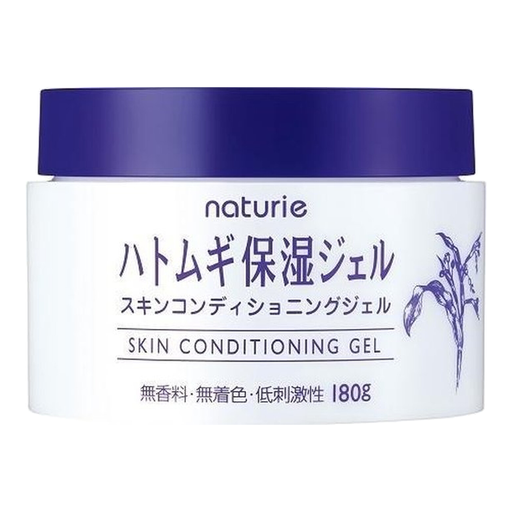
Why this fits the profile: The lightweight gel texture and 180 g size make this a practical choice for daily use on face and body, especially for oily or combination skin.
The product description mentions a non-greasy, fast-absorbing formula. Do check whether the light texture is enough if your skin feels tight.
180 g size; fragrance-free according to the product information; suitable for face and body.
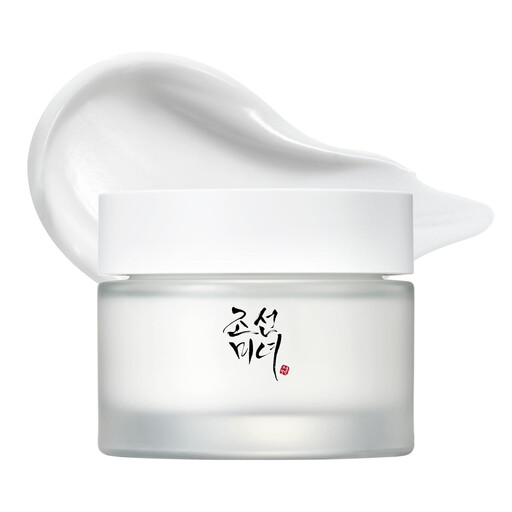
Why this fits the profile: This Korean face cream has a creamy formula with rice bran water, ginseng root water, niacinamide, honey extract and ceramide NP according to the product description.
The ingredients are clearly listed. The creamy texture isn’t automatically ideal for oily skin; try a small amount first.
50 ml; unscented according to the product details; contains niacinamide and ceramide NP among others.

Why this fits the profile: The gel cream is designed for dry, very dry, combination and oily skin types. The lightweight texture can also be worn under make-up.
The product details state alcohol-free, fragrance-free and non-comedogenic. The claim of up to 100 hours of hydration comes from Clinique and is not a guarantee for every skin type.
Gel-cream formula; 30 ml; according to the product information, fragrance-free, alcohol-free and non-comedogenic.
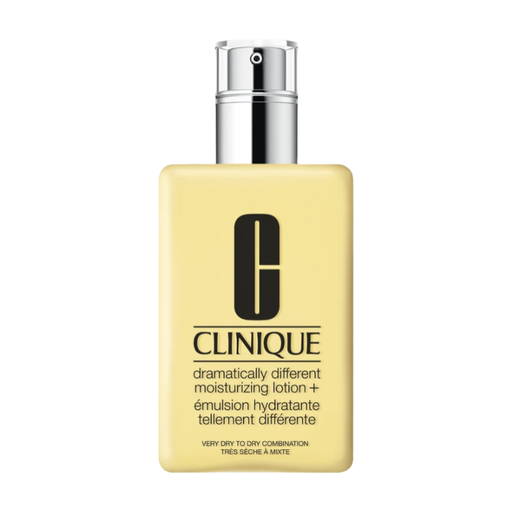
Why this fits the profile: According to the product details, this moisturiser is designed for very dry to dry/combination skin and can be used morning and evening.
The skin types and frequency of use are clearly described. The formula is 100% fragrance-free according to Clinique; check the actual packaging when you buy.
125 ml size; lotion texture; fragrance-free according to the product information.
We’ve put together a full, up-to-date list of products that fully meet these strict selection criteria and comply with current European safety regulations.
That depends on the product. A day cream is usually applied in the morning and a night cream in the evening. Some moisturisers are suitable for both times according to the usage instructions. First cleanse your skin, then apply a small amount. During the day, separate sun protection remains important if your skin is exposed to UV radiation.
Follow the expiry date and the period-after-opening symbol on the packaging, for example 6M. Store the cream in a cool, dry place, close the pot or tube properly and don’t use a product whose smell, colour or texture has clearly changed.
A light gel cream or lotion is often practical for the oilier parts of your face. Dry areas can get extra care with a richer cream if needed. Products like Clinique Moisture Surge, Clinique Dramatically Different Moisturizing Gel and Beauty of Joseon Red Bean Hydrating Gel Cream are relevant options to compare based on their product information. Pay attention to texture, fragrance, ingredients and your own skin’s reaction.
