
Vandaag of morgen in huis

Kwaliteit gegarandeerd

Welkomstaanbiedingen ontgrendelen: GRATIS bezorging | Tot 80% korting | Gratis 30 dagen JoyPlus-proefperiode
Download de app
A new face cream might seem simple to pick, until you have to decide between a gel-cream, a nourishing night cream, a barrier-repairing cream or an anti-ageing face cream. Marketing terms like “intensive”, “restorative” and “long-lasting hydration” don’t tell you much on their own. The formulation, the amount and the instructions for use are what really determine whether a product will work for you in practice.
Pay particular attention to these three common pitfalls:
First, choose based on your daily needs:
A light texture is also handy under make-up or sunscreen. A richer cream can be better suited as the last step in your evening routine.
Hyaluronic acid is said to help attract and retain moisture at the skin’s surface. A hyaluronic acid cream can therefore be suitable when a tight feeling and surface dryness are your main concerns.
Ceramides are lipids that occur naturally in the skin. A ceramide cream is often chosen to support the moisture barrier. Check whether ceramide NP, AP or EOP appears on the ingredients list, and combine it with glycerine or panthenol if needed.
Centella asiatica and panthenol are common in formulas for sensitive skin. According to the manufacturer’s product description, these ingredients are used for a soothing and comfortable skin feel. That’s no guarantee of an individual reaction.
Retinol and acids require extra care. According to the product information from, the Retinol 0.1 Cream contains 0.1% retinol. Introduce a retinol product gradually and follow the instructions on the packaging. Sun protection is important during the day, as retinol and exfoliating acids can increase sensitivity to sunlight.
Don’t just compare the price of a pot or tube, but also the amount in millilitres or grams. A 30 ml pack can be more expensive per use than a product of 80 or 100 ml. Also pay attention to:
A product that feels pleasant to use every day is generally used more consistently than a formula that feels sticky or too greasy. That practical aspect counts towards the overall value.
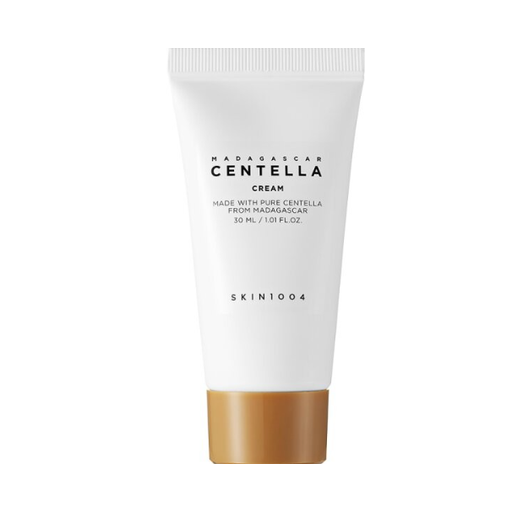
Why this fits the profile: The light formula with panthenol and centella asiatica is straightforward for anyone looking for a simple daily cream. The 30 ml size is handy for trying a smaller pack first.
The product description mentions a light texture and use for normal and sensitive skin. Always check the current packaging and, if you have sensitive skin, do a patch test first.
30 ml; panthenol and centella asiatica according to the ingredients and product information; intended for daily use.

Why this fits the profile: The gel-cream is alcohol-free, fragrance-free and non-comedogenic according to the product information. That makes this option practical for anyone who values a fresh texture and clear product specifications.
The texture and the absence of fragrance are more concrete to assess than vague terms like “intensive”. The claim of up to 100 hours of hydration comes from Clinique’s product description; see the packaging for current information.
30 ml; gel-cream; alcohol-free, fragrance-free and non-comedogenic according to the product specifications.
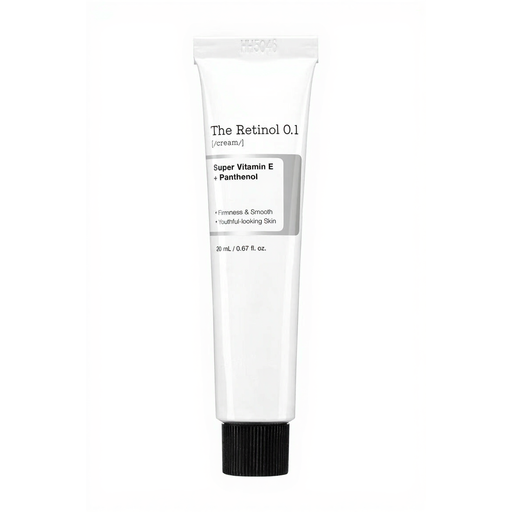
Why this fits the profile: This anti-ageing face cream is designed for users who consciously want to add a retinol product to their routine and are prepared to build up application gradually.
The 0.1% retinol concentration is stated in the product information. That makes it clearer what you’re buying than a vague claim about skin renewal. Follow the warnings and use sun protection during the day.
20 ml; 0.1% retinol according to the product description; also contains hyaluronic acid and panthenol.

Why this fits the profile: According to the product information, the formula contains five types of hyaluronic acid, argan oil and apricot kernel oil. The gel-cream can therefore suit anyone looking for hydration without relying solely on a heavy night cream.
The combination of ingredients and the 100 ml amount are verifiable. Do check whether oils and shea butter suit your skin and the finish you prefer.
100 ml; five forms of hyaluronic acid according to the product information; contains ceramide NP, panthenol and several oils.
We’ve put together a full, up-to-date list of products that fully meet these strict selection criteria and comply with current European safety regulations.
Most facial moisturisers can be applied after cleansing in the morning and evening. Always follow the manufacturer’s instructions. If you’re using a cream with retinol or acids, start with less frequent use and only build up when your skin tolerates it well.
The exact shelf life is stated on the packaging. In addition to the expiry date, also check the symbol for the period after opening. Store the cream sealed, in a dry place and out of direct sunlight. A change in smell, colour or texture is a reason to stop using the product.
Look for a formula with hydrating and barrier-supporting ingredients such as glycerine, panthenol, ceramides, squalane or hyaluronic acid. If in doubt, avoid fragrance and essential oils, and test a new product on a small area of skin first. If irritation persists, it’s wise to stop using it and consult a dermatologist.
