
Vandaag of morgen in huis

Kwaliteit gegarandeerd

Welkomstaanbiedingen ontgrendelen: GRATIS bezorging | Tot 80% korting | Gratis 30 dagen JoyPlus-proefperiode
Download de app
Buying a face cream seems simple, until you have to choose between a day cream, a night cream, a moisturising face cream, an anti-wrinkle cream or a cream with SPF. Marketing claims don’t always make the choice any clearer. For example, a high SPF says nothing about the texture or whether the cream is suitable for sensitive skin.
So the right choice starts not with a well-known name, but with your skin’s needs, the ingredients list and when you plan to use it.
Words such as “repairs”, “rejuvenates” and “reduces wrinkles” sound convincing. However, the research behind these claims varies from brand to brand and product to product. According to NIVEA’s own research, Q10 Sensitive Day Cream reduced the appearance of visible wrinkles within four weeks in a consumer test involving 113 women. This is a test result reported by the brand, not a guarantee for every user.
So pay attention to how the claim is worded:
A face cream with SPF 15, SPF 20 or SPF 30 may be suitable for everyday use, but the protection also depends on how much you apply and whether you reapply it. If you’re going to be in the sun for a long time, a separate sun protection product is often more practical.
A product with SPF 50, such as NIVEA Cellular LUMINOUS630 Day Cream, offers UVA and UVB filters according to the product description. The cream is designed to target dark spots and contains Thiamidol, among other ingredients, but the results described are based on a clinical study by the brand. Use the cream as directed on the label and follow the instructions for reapplying.
“For all skin types” doesn’t automatically mean a cream will feel comfortable on your skin. A rich cream may feel soothing when your skin is dry, but heavy on oily or acne-prone skin. Conversely, a light gel cream may not feel comfortable enough for dry skin.
Also check for fragrance, alcohol denat., oils and silicones, as well as where moisturising ingredients appear in the ingredients list. If you have sensitive skin, a fragrance-free formula is often a sensible first choice, but even a fragrance-free cream can irritate some people.
A day cream may contain additional UV filters. A night cream usually has a richer texture and is designed to be the final step in your evening routine. According to the listed ingredients, NIVEA Q10 Power Anti-Wrinkle Night Cream contains glycerine, shea butter, macadamia oil, panthenol and hyaluronic acid, among other ingredients.
If you want one product for morning and evening, check whether the manufacturer recommends it for both. If your day cream contains SPF, additional sun protection is still important when you’re spending a long time outdoors.
A 40 or 50 ml jar may run out relatively quickly with daily use. A 75 or 100 ml tube may be more practical if you also use the cream on your neck or dry patches. Also check the expiry information on the packaging and store the product as directed.
If you have eczema, psoriasis, persistent redness or a damaged skin barrier, an ordinary face cream may not be enough. According to the product information, Lucovitaal Eczeem Psoriasis Intensive Cream is a medical device. Read the leaflet carefully and speak to a doctor or pharmacist if symptoms persist or get worse.
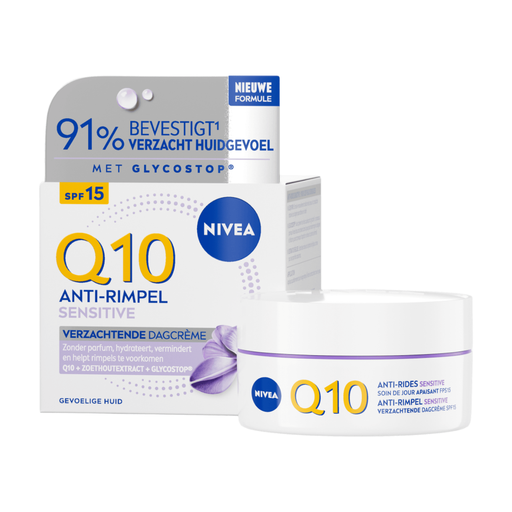
Why it suits this profile: A fragrance-free day cream with SPF 15 for anyone looking for a simple morning routine who wants to take sensitivity, dryness or tight-feeling skin into account when choosing a product.
The product description clearly states that it is fragrance-free, has SPF 15 and is suitable for sensitive skin. The anti-wrinkle results are linked to a consumer test reported by NIVEA.
Q10, creatine, liquorice extract, glycerine and SPF 15; 50 ml.
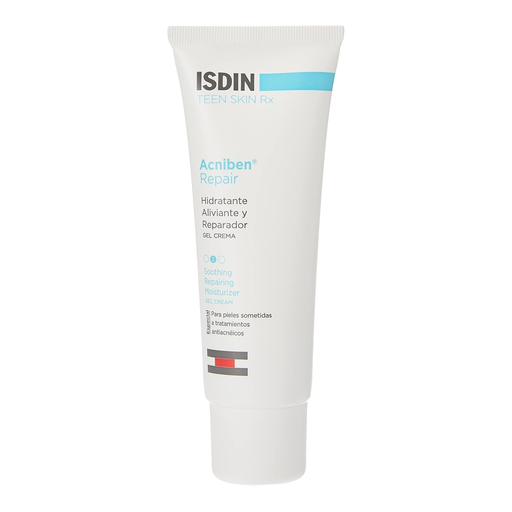
Why it suits this profile: A light, fragrance-free gel cream for people with acne-prone or sensitive skin who are looking for a product for everyday use.
The product details describe a fragrance-free formula, gel texture and suitability for acne-prone skin. No SPF is listed, so plan to use a separate sun protection product during the day.
Glycerine and hyaluronic acid; 40 ml; intended for daytime and evening use according to the product information.
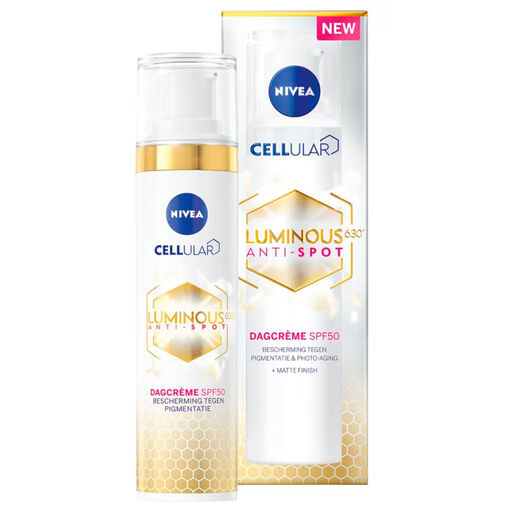
Why it suits this profile: An option for anyone who wants to combine high SPF with care for visible dark spots during the day.
The product description lists SPF 50, UVA/UVB filters and the active ingredient Thiamidol. The stated reduction in dark spots is a NIVEA claim and refers to a clinical study involving 43 women.
SPF 50, hyaluronic acid and vitamin E; 40 ml; matte finish according to the product description.
We’ve put together a complete, up-to-date list of products that meet these strict selection criteria and current European safety regulations.
Check the expiry date and the open-jar symbol on the packaging. Close the packaging after use and store the cream somewhere cool and dry, away from direct sunlight. If its smell, colour or texture changes, stop using it.
Sometimes, but check what the product is designed to do. A day cream may contain SPF; a night cream usually doesn’t. A night cream with a richer texture may not feel as comfortable under make-up during the day. Always use suitable UV protection when you’re exposed to the sun.
Ideally, choose a product with a clear ingredients list, a fragrance-free formula if you don’t tolerate fragrance well, and a texture that doesn’t sting or burn. Test a small amount first. If you have eczema, psoriasis or persistent irritation, it’s a good idea to seek advice from a doctor or pharmacist.
