
Vandaag of morgen in huis

Kwaliteit gegarandeerd

Welkomstaanbiedingen ontgrendelen: GRATIS bezorging | Tot 80% korting | Gratis 30 dagen JoyPlus-proefperiode
Download de app
Choosing a face cream might seem straightforward, but the range on offer is vast. Whether you're looking for a hydrating face cream, an anti-ageing face cream or a cream for pigmentation, you'll quickly come across terms like "lifting", "glow" and "intensive correction". These words only mean something when you also look at the ingredients, texture and instructions for use.
The right choice depends on your skin type, your daily routine and what you want the cream to achieve. Dry skin usually needs more comfort and nourishing ingredients, whereas oily or acne-prone skin often works better with a lighter texture.
A cream for wrinkles or a firming face cream may, according to the product description, target visible signs of skin ageing. That doesn't mean every user will experience the same result. So look for verifiable information, such as:
When a brand cites research results, I phrase that as a brand claim. For example, according to Estée Lauder's own research, a participant panel reported a firmer appearance and fewer visible wrinkles when using the Revitalizing Supreme+ Youth Power Cream. This is not a guarantee for your skin.
A day cream with SPF can be practical for daily use. Always check the stated factor and apply enough product. The SENSAI Cellular Performance Advanced Day Cream states SPF 30; the Clarins Multi-Intensive cream states SPF 15. The protection factor is therefore an important practical difference.
For prolonged sun exposure, swimming or sweating, a separate sunscreen is often a more sensible choice. A regular face cream with SPF does not automatically replace any sun protection product.
Niacinamide, tranexamic acid, vitamin C, glycolic acid and exfoliating acids are common in a brightening face cream or cream for pigmentation. They can fit into a targeted routine, but sensitive skin can react more quickly to multiple active ingredients at once.
So start with one new product, use a small amount and, if you have sensitive skin, test it on a small area first. Stop if you experience persistent redness, itching or a burning sensation and consult a dermatologist if necessary.
Look beyond the label "for all skin types". The formulation gives you more guidance:
An anti-ageing face cream can combine different goals, such as hydration, a supple feel or support for a more even appearance. Niacinamide is often used in formulas for a more even complexion. Tranexamic acid and vitamin C regularly appear in products aimed at a dull complexion or visible discolouration.
With Topicrem AH THEAVIT Renewing Cream, glycolic acid is listed in the product information. Because AHAs can increase sun sensitivity, using sun protection during the day is important. Some By Mi AHA-BHA-PHA 30 Days Miracle Cream also mentions AHA, BHA and PHA and advises a patch test and sun protection.
Most options in this selection contain around 40 to 75 ml. A 50 ml pot might seem good value, but how long it lasts depends on how much you use each time. Also check the period after opening. Some products state, for example, 6M or 12 months. Don't use a cream whose smell, colour or texture has clearly changed.
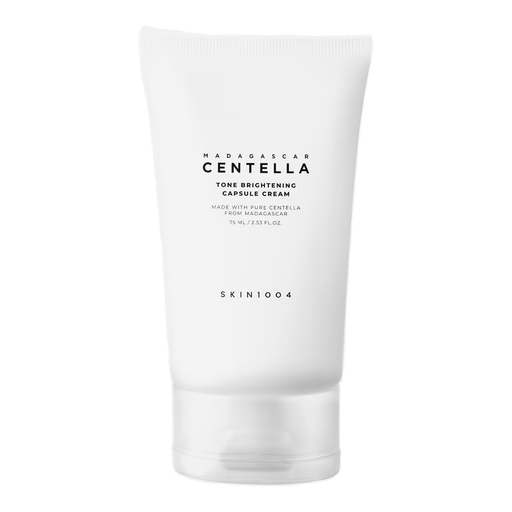
Why this fits the profile: The light gel cream contains 75 ml and, according to the product information, is intended for dry, combination, sensitive, normal, mature, oily and acne-prone skin.
The product page shows a full ingredients list and states that the formula is alcohol-free and fragrance-free.
Centella Asiatica extract, niacinamide, panthenol and tranexamic acid; 75 ml tube packaging.
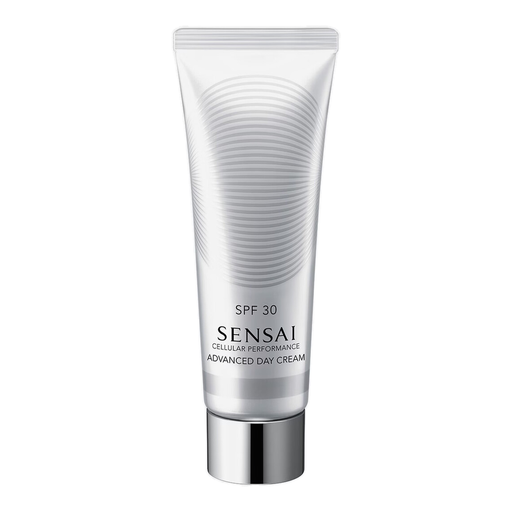
Why this fits the profile: Suitable for anyone looking for a daily cream with an anti-ageing positioning and SPF in one product.
The SPF factor is clearly stated as SPF 30, so you can compare this feature in advance.
50 ml, cream texture, SPF 30 and, according to the product data, suitable for all skin types.
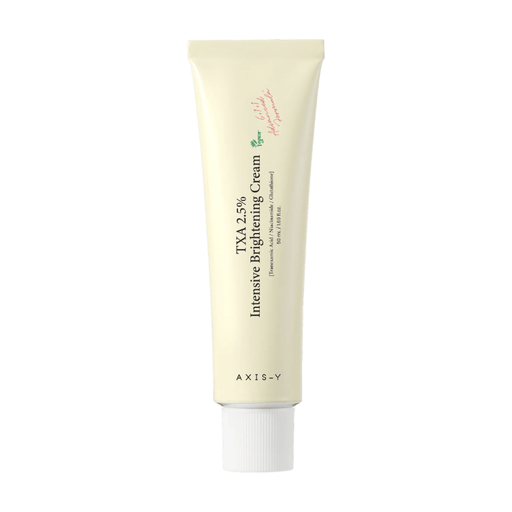
Why this fits the profile: A targeted option for anyone looking for a cream for pigmentation with tranexamic acid and niacinamide.
The 2.5% concentration of tranexamic acid is stated in the product information. The manufacturer advises using SPF 30 or higher during the day.
Also contains ceramide NP, panthenol, squalane and multiple forms of hyaluronic acid.
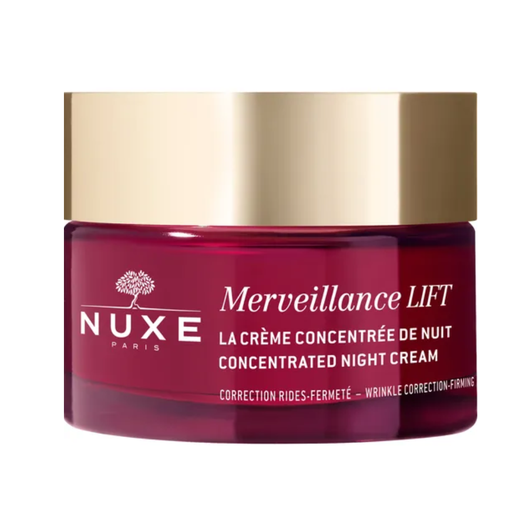
Why this fits the profile: For anyone who wants to use a separate night cream with a richer texture alongside a lighter day cream.
The application is clearly described: apply in the evening to a cleansed face and neck.
50 ml, rich cream texture and product positioning for visible wrinkles and skin that feels less firm.
We've put together a full, up-to-date list of products that fully meet these strict selection criteria and comply with current European safety regulations.
A Korean skincare cream often fits well into a routine with multiple light layers. If you prefer fewer steps, you can choose a cream that combines hydration and SPF. Check that the texture remains comfortable under make-up.
For most routines, once in the morning and once in the evening is practical. Use a day cream with SPF during the day; a night cream is intended for the evening. Always follow the instructions on the packaging.
Check the shelf life on the packaging and the symbol for the period after opening. Some products state 6M or 12 months. Store the cream sealed, in a cool place and out of direct sunlight. A change in smell, colour or texture is a reason not to use the product any more.
The price doesn't automatically tell you how suitable a formula is. Compare the volume in millilitres, the ingredients, SPF factor, packaging and the intended use. A targeted cream for pigmentation, for example, may contain different active ingredients than a simple hydrating face cream.
