
Vandaag of morgen in huis

Kwaliteit gegarandeerd

Welkomstaanbiedingen ontgrendelen: GRATIS bezorging | Tot 80% korting | Gratis 30 dagen JoyPlus-proefperiode
Download de app
A new face cream may seem simple to choose, but packaging often uses terms that do not always say much about everyday use. Whether you are looking for a hydrating face cream, cream for dry skin or anti-ageing face cream, texture, ingredients and when to use it matter more than an eye-catching marketing promise.
The following pitfalls are common:
Start with your main need. Normal skin usually benefits from a cream that provides enough hydration without leaving a sticky or greasy layer. For dry skin, glycerine, hyaluronic acid, shea butter, oils and soothing emollients are relevant ingredients to compare.
A cream for sensitive skin requires extra care. Ideally, choose a straightforward formula and check whether it contains fragrance, essential oils or other ingredients that have caused you sensitivity in the past. Even a product described as gentle or dermatologically tested can cause irritation in some individuals. It is therefore sensible to carry out a patch test on a small area of skin.
There are various options for visible signs of skin ageing. A face cream for mature skin may combine hydrating and nourishing ingredients with, for example, niacinamide, bakuchiol, peptides or retinol. Do not expect an immediate change. With retinol, it is important to build up gradually, and during the day, sun protection is a sensible addition.
Do not just look at the front of the packaging; check the full INCI list.
An ingredient’s position in the list gives an indication of its quantity, but not of its final effect. Claims about improving the skin or reducing wrinkles are brand claims, so do not present them as guaranteed results.
A gel cream usually absorbs quickly and is often suitable for normal or combination skin. A richer cream can provide more comfort for dry or mature skin, particularly in the evening. If you wear make-up during the day, it is worth considering how the cream works with sunscreen and foundation.
If you have blemish-prone skin, test a small amount first. Even a lightweight formula may be less suitable because of individual skin reactions. “Non-comedogenic” or “suitable for all skin types” is product information, not a personal guarantee.
Compare the quantity with the price: a 100 ml jar may be better value per millilitre than a 40 or 50 ml pack, but a smaller pack is useful for trying a formula first. Check the best-before date and the period after opening on the packaging.
Apply face cream to cleansed skin. Use a small amount and avoid direct contact with the eyes. Stop using it if you experience burning, itching, swelling or persistent redness. Do not use cream on damaged skin and always follow the product’s safety information.

Why it suits this profile: The gel cream texture and 100 ml size make this a practical starting point for anyone looking for a hydrating face cream for normal or dry skin. The product information mentions five forms of hyaluronic acid and use as a day or night cream.
Its clear focus on hydration helps prevent you from choosing based solely on an anti-ageing claim or striking packaging. However, check the full ingredients list if you are prone to sensitivity.
100 ml; five stated forms of hyaluronic acid; contains, among other ingredients, argan oil, apricot kernel oil, panthenol and ceramide NP.
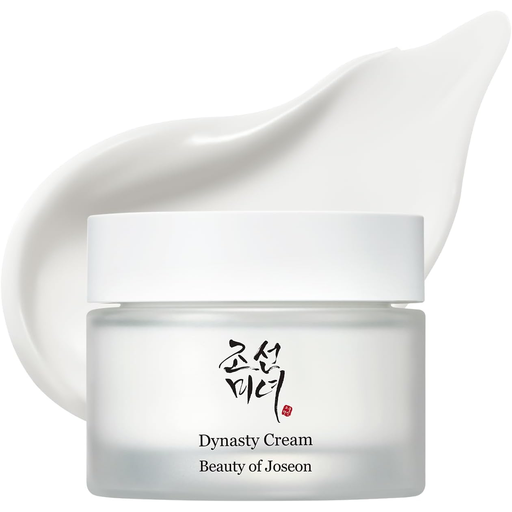
Why it suits this profile: This Korean face cream combines a rich, creamy texture with rice extract, ginseng water, squalane, niacinamide and hyaluronic acid. It is suited to users who want to build their routine around skincare and a radiant finish.
The ingredients are clearly listed, allowing you to compare the formula instead of relying solely on terms such as radiant or luxurious.
100 ml; contains niacinamide, sodium hyaluronate, panthenol and propolis and honey extracts according to the product list.
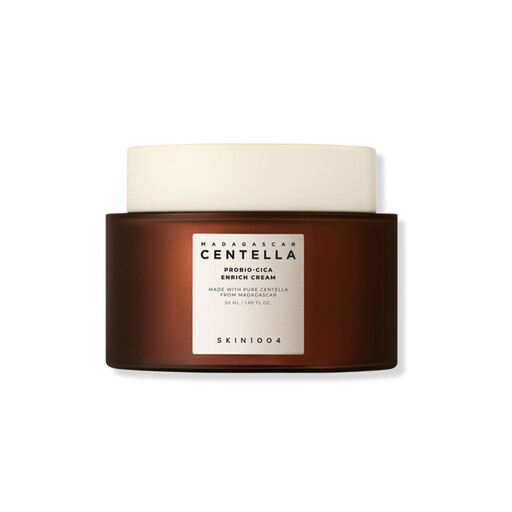
Why it suits this profile: The formula is designed for dry or sensitive skin and, according to the product information, contains centella asiatica, niacinamide, shea butter and ceramide NP. The richer cream may suit an intensive evening routine.
The product information mentions skin irritation tests, but these do not replace personal testing. The formula is no reason to skip a patch test.
50 ml; contains ceramide NP, shea butter and centella asiatica; the brand states that the formula is vegan and cruelty-free.
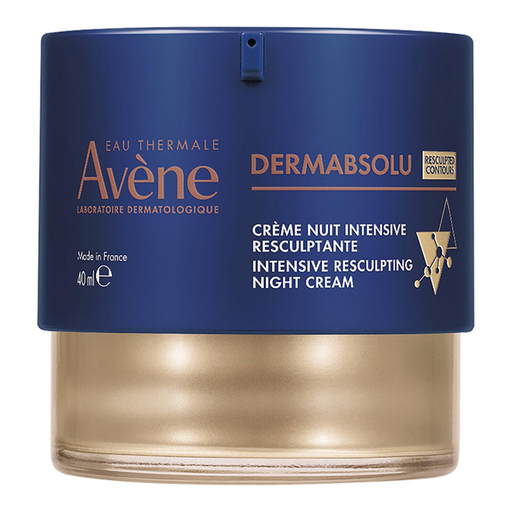
Why it suits this profile: This is a night cream with a rich texture for mature skin. The product information mentions bakuchiol, pro-ceramides and niacinamide, and positions the cream for use on the face, neck and décolletage.
Its clear description as a night cream helps prevent you from choosing a rich formula to wear under make-up. Check the safety information and avoid contact with the eyes.
40 ml; intended for evening use; according to the product information, contains 1% bakuchiol, pro-ceramides and 2% niacinamide.
We have put together a complete, up-to-date list of products that fully meet these strict selection criteria and the applicable European safety requirements.
For most routines, once in the morning and once in the evening is sufficient, unless the product packaging gives different instructions. Apply the cream after cleansing and, if applicable, after serum. During the day, sunscreen with an appropriate SPF is part of a routine that also aims to limit visible sun damage.
This varies by product. Look for the open-jar symbol on the packaging, such as 6 or 12 months, and also check the best-before date. Keep the jar closed and store it in a cool, dry place away from direct sunlight. Has the smell, colour or texture changed? Do not use the product.
No. The price reflects not only the ingredients, but also the packaging, brand positioning and distribution. Compare the quantity per millilitre, the formula, the texture and how suitable it is for your skin type. An affordable cream that you use consistently may be more practical than a product that does not feel comfortable on your skin.
