
Vandaag of morgen in huis

Kwaliteit gegarandeerd

Welkomstaanbiedingen ontgrendelen: GRATIS bezorging | Tot 80% korting | Gratis 30 dagen JoyPlus-proefperiode
Download de app
Choosing a face cream may seem simple, but there’s a huge range to choose from. Whether you’re looking for a hydrating face cream, a Korean face cream or a cream for sensitive skin, you’ll soon come across terms such as “intensive”, “restorative” and “anti-ageing”. On their own, these words tell you very little about the formula.
As a Joybuy Product Recommendation Officer, I focus on verifiable information: ingredients, size, when to use it, skin type and clear safety instructions. This helps you avoid paying for a promise that doesn’t fit your daily routine.
A brand may claim that a product firms the skin, evens out your complexion or provides long-lasting hydration. Treat these as claims made by the manufacturer, not as guaranteed results. The brand may be able to support these claims with its own research, but results vary depending on your skin and how you use the product.
So start by checking the ingredients list. Glycerin, hyaluronic acid, squalane, panthenol and ceramides are commonly used in hydrating formulas. They tell you more about what’s in the product than a standalone claim on the front of the pack.
A rich cream may feel comfortable on dry skin, but heavy on oily or combination skin. On the other hand, a lightweight gel cream may not feel comfortable enough for dry skin, especially in a cold or windy climate.
Also look out for fragrance and alcohol. For example, NIVEA Soft contains Alcohol Denat. and fragrance components such as limonene and linalool. That doesn’t make the product unsuitable for everyone, but if you have sensitive skin, it’s best to check the ingredients list first.
Day creams are usually designed to have a lightweight texture and be worn under sun protection or make-up. Night creams can be richer. A product with SPF can be handy during the day, but the level of protection depends on how much you apply and how often you reapply it.
A night cream also isn’t a substitute for treatment for skin problems. If you experience persistent irritation, swelling or a strong reaction, it’s best to stop using the product and seek medical advice.
A hyaluronic acid cream often contains different forms of hyaluronic acid. For example, Isntree’s product description lists five types, while according to its product information, ANUA PDRN Hyaluronic Acid 100 Moisture Cream contains ten types of hyaluronic acid. This is a verifiable product specification, but the number of forms doesn’t automatically predict which product will feel better on your skin.
A ceramide cream or barrier cream focuses on ingredients commonly used in skincare to help retain moisture and support the skin barrier. ANUA 3 Ceramide Panthenol Moisture Barrier Cream and The Ceramide Skin Barrier Moisturizer contain several ceramides. If you have sensitive skin, also check for any fragrance ingredients and follow the patch test instructions.
Don’t compare the price alone; check the size too: 50 ml in a jar isn’t the same as 100 ml in a tube. Check the expiry information on the packaging and, once opened, look for the stated period of use, such as 6M.
Apply face cream to clean skin. A small amount is usually enough. If you use a toner and serum, the cream usually goes on last, before sun protection during the day. If you’re prone to reactions, try new products on a small area of skin first.
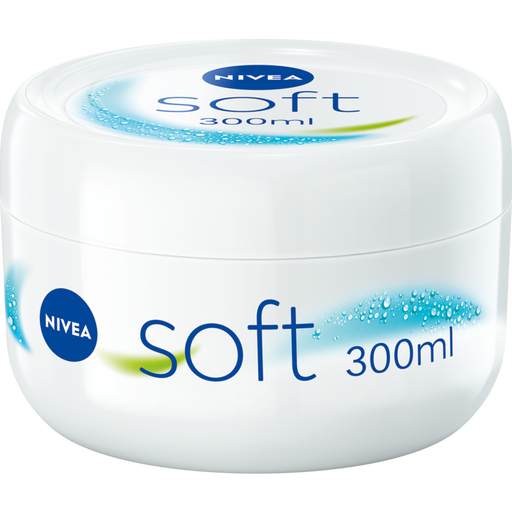
Why it suits this profile: The large pack is designed for the face and body, making it a good fit if you want to try one everyday cream without buying several products.
The product description calls it a lightweight, fast-absorbing formula. If your skin is sensitive, check for fragrance and Alcohol Denat.
300 ml; the product information lists glycerin, vitamin E and jojoba oil; described as suitable for everyday use.
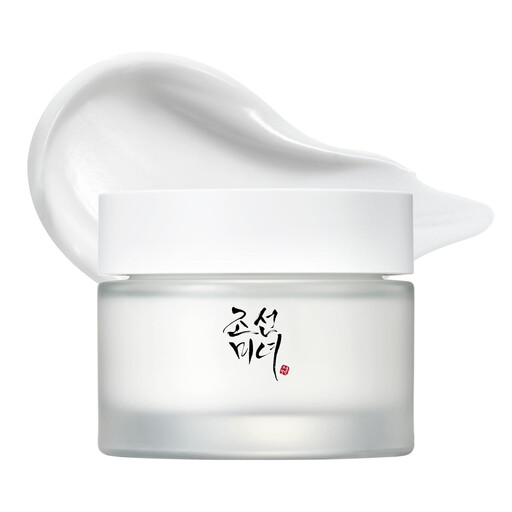
Why it suits this profile: This Korean face cream is worth considering if you like a creamy texture, a fragrance-free formula and well-known Korean skincare ingredients.
The ingredients list is available and includes niacinamide, sodium hyaluronate and plant extracts. According to the product information, the product is fragrance-free.
50 ml; the product description lists niacinamide, honey extract and ceramide NP; listed product specifications state that it is vegan and fragrance-free.

Why it suits this profile: A sensible choice if you’re specifically looking for a barrier cream with several ceramides for everyday use in the morning and evening.
The formula lists ceramide NP, NS, AP, AS and EOP, as well as hyaluronic acid. That gives you specific details to consider, rather than relying on the word “barrier” alone.
80 ml; contains ceramides, cholesterol, phytosphingosine and panthenol; according to the product information, it has been tested for factors including hypoallergenicity and non-comedogenicity.
We’ve put together a complete, up-to-date list of products that meet these strict selection criteria and the applicable European safety regulations.
For most routines, applying it once in the morning and once in the evening is practical. Dry skin may need extra cream during the day, for example after washing. Apply a day cream with SPF as directed and use additional sun protection if you’ll be exposed to the sun for a long time.
Check the date and the period-after-opening symbol on the packaging. Some products, for example, show 6M, which means six months after opening. Keep the cream tightly closed, out of direct sunlight and at room temperature if instructed on the packaging.
No. The price doesn’t automatically tell you whether a product is suitable for your skin. Compare size, ingredients, texture, fragrance, when to use it and skin type. A simple face moisturiser with glycerin may be a good fit for everyday use, while a more advanced cream may suit someone specifically looking for ceramides, hyaluronic acid or a Korean formula.
